

For many people, the love for dogs is undeniable, but unfortunately, allergies can make it challenging to enjoy the companionship of a furry friend. However, hope is not lost. There are hypoallergenic dog breeds that produce fewer allergens, making them suitable companions for allergy sufferers.
In this post, we’ll explore hypoallergenic dog breeds and provide insights into choosing the right one to bring into your home, allowing you to experience the joy of dog ownership without the discomfort of allergies.

Causes of Dog Allergies
Before delving into hypoallergenic dog breeds, it’s essential to understand what causes dog allergies. Contrary to popular belief, it’s not a dog’s fur that triggers allergies but rather proteins found in their dander (dead skin cells), saliva, and urine.
When these proteins are shed and become airborne, they can trigger allergic reactions in susceptible individuals, ranging from sneezing and itching to more severe symptoms like asthma attacks.

Hypoallergenic Dog Breeds
While no dog breed is entirely hypoallergenic, some breeds produce fewer allergens or have coats that are less likely to trigger allergic reactions.
These breeds typically have hair instead of fur, produce less dander, or shed minimally.
Here are the most popular hypoallergenic dog breeds:
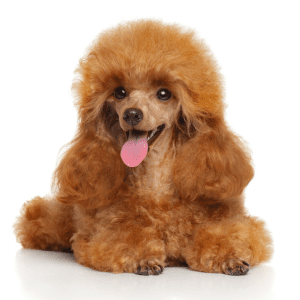
Poodle
Poodles are renowned for their hypoallergenic coats, which consist of dense, curly hair that sheds minimally. They come in various sizes, including Standard, Miniature, and Toy, making them suitable for different living situations. Poodles are intelligent, affectionate, and versatile dogs, excelling in activities like obedience training, agility, and therapy work.
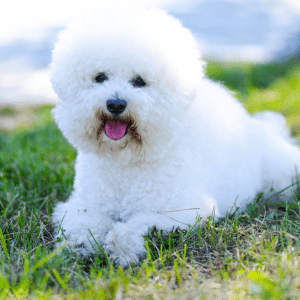
Bichon Frise
The Bichon Frise is a small, cheerful breed known for its hypoallergenic, curly coat that doesn’t shed much. Their playful and affectionate nature makes them excellent companions for families and individuals alike. Bichons are social dogs that enjoy interacting with people and other pets, making them ideal for households seeking a friendly and outgoing companion.
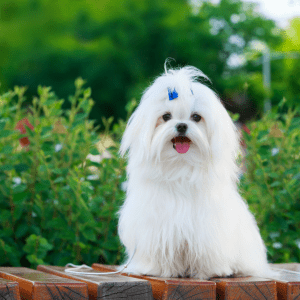
Maltese
The Maltese is a tiny toy breed with a long, silky coat that produces minimal dander and shedding. Despite their small size, Maltese dogs are lively, playful, and affectionate, thriving in homes where they receive plenty of attention and affection. They are well-suited for apartment living and enjoy being the center of attention.
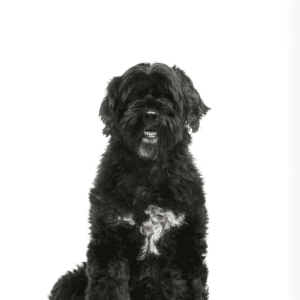
Portuguese Water Dog
Portuguese Water Dogs have a unique, curly coat that is hypoallergenic and requires regular grooming to prevent matting. Historically bred as working dogs for fishermen in Portugal, they are highly intelligent, energetic, and versatile, excelling in activities such as water sports and obedience training. Portuguese Water Dogs are loyal and affectionate companions, making them suitable for active households.
Didn’t find your canine soulmate in that list? Never fear!
Here are several other hypoallergenic dog breeds to consider:
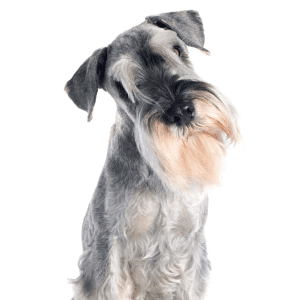
Schnauzer (Miniature, Standard, and Giant)
- Schnauzers have a wiry outer coat and a softer undercoat that sheds minimally, making them hypoallergenic.
- They require regular grooming to prevent matting and maintain their distinctive appearance.
- Schnauzers are intelligent, loyal, and energetic dogs that enjoy being part of the family and participating in activities.
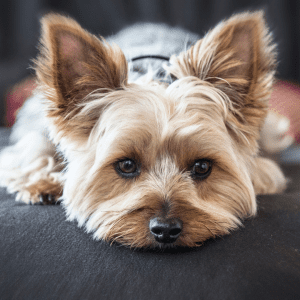
Yorkshire Terrier
- Yorkshire Terriers have a long, silky coat that sheds very little and produces minimal dander.
- They require regular grooming to keep their coat tangle-free and prevent matting.
- Yorkies are small but spirited dogs known for their affectionate nature and lively demeanor.
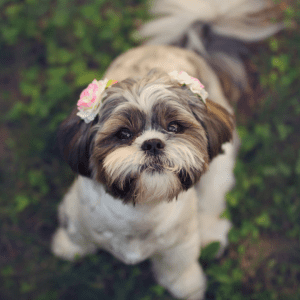
Shih Tzu
- Shih Tzus have a long, flowing coat that sheds minimally and produces less dander than other breeds.
- They require regular grooming to prevent matting and keep their coat clean and healthy.
- Shih Tzus are friendly, outgoing, and affectionate companions that enjoy spending time with their family.
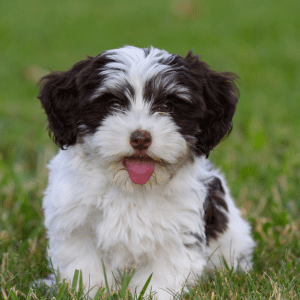
Havanese
- Havanese dogs have a soft, silky coat that sheds very little and produces minimal allergens.
- They require regular grooming to keep their coat free from tangles and mats.
- Havanese are cheerful, playful, and sociable dogs that thrive on human companionship and enjoy being part of the family.
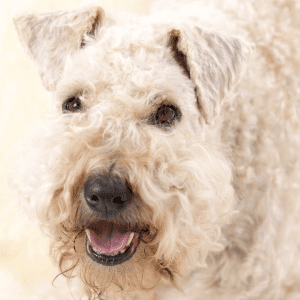
Soft Coated Wheaten Terrier
- Soft Coated Wheaten Terriers have a single coat of soft, silky hair that sheds minimally and produces less dander than breeds with double coats.
- They require regular grooming to prevent matting and maintain their coat’s texture and appearance.
- Wheaten Terriers are friendly, outgoing, and affectionate dogs that enjoy being around people and participating in activities.
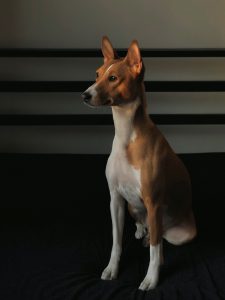
Basenji
- Basenjis are known for their unique features, including their short, fine coat, which produces minimal dander and sheds very little. They are often referred to as “barkless” dogs because they don’t bark like other breeds, although they do make other vocalizations like yodeling and howling.
- Due to their short coat, Basenjis require minimal grooming compared to many other breeds. Occasional brushing to remove loose hair and dirt is usually sufficient to keep their coat in good condition.
- Basenjis are independent and intelligent dogs with a cat-like grooming behavior, often licking themselves to keep clean. This trait further contributes to their low allergen production.
These hypoallergenic dog breeds offer options for individuals and families seeking a canine companion while minimizing allergic reactions.
However, it’s essential to note that individual dogs within these breeds may still produce allergens, and allergen levels can vary from one dog to another.
Additionally, regular grooming and cleaning practices are necessary to reduce allergens in the home environment, regardless of the dog’s breed.

Choosing the Right Hypoallergenic Dog Breed
When selecting a hypoallergenic dog breed, it’s essential to consider factors beyond allergens, such as temperament, energy level, size, and grooming requirements. Take the time to research each breed’s characteristics and spend time interacting with individual dogs to ensure compatibility with your lifestyle and preferences.
Additional Considerations for Finding the Best Hypoallergenic Dog Breed For You:

Grooming Requirements
While hypoallergenic dog breeds produce fewer allergens, it’s essential to consider their grooming needs. Many hypoallergenic breeds have coats that require regular grooming to prevent matting and maintain their hypoallergenic properties.
For example, breeds like Poodles and Bichon Frises need frequent brushing, clipping, and professional grooming to keep their coats in good condition. Regular grooming not only helps reduce allergens but also keeps the dog’s skin healthy and free from irritation.
Exercise and Activity Level
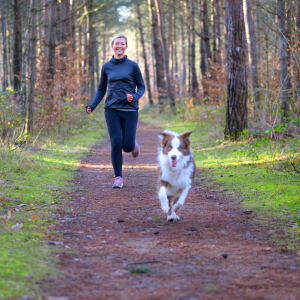
Consider the exercise and activity needs of hypoallergenic dog breeds when choosing the right one for your lifestyle. While some breeds are highly energetic and require plenty of exercise, others are more laid-back and may be content with shorter walks and indoor playtime.
For instance, breeds like Portuguese Water Dogs and Maltese are active and playful, enjoying regular walks, interactive games, and mental stimulation. On the other hand, breeds like Bichon Frises and Poodles have moderate exercise requirements and may prefer shorter walks combined with indoor activities like puzzle toys and training sessions.
Socialization and Training
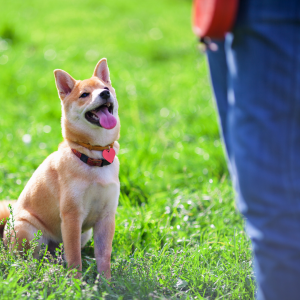
Like all dogs, hypoallergenic breeds require proper socialization and training to become well-adjusted and obedient companions. Early socialization helps prevent behavioral issues and ensures that the dog is comfortable and confident in various situations.
Start socializing your hypoallergenic puppy from a young age, exposing them to different people, animals, sounds, and environments. Positive reinforcement training methods, such as reward-based training and consistency, are effective for teaching obedience and good manners.

Allergy Management Strategies
While hypoallergenic dog breeds can help reduce allergen exposure, it’s essential to implement additional allergy management strategies to minimize allergic reactions. Regular grooming, vacuuming, and cleaning can help remove allergens from the home environment.
Consider using hypoallergenic bedding and air purifiers with HEPA filters to reduce airborne allergens. Additionally, bathing your dog regularly with hypoallergenic shampoo can help reduce dander and allergens on their coat.

Conclusion
Hypoallergenic dog breeds offer a solution for allergy sufferers who want to experience the joys of dog ownership without the discomfort of allergic reactions. By choosing a hypoallergenic breed that matches your lifestyle, grooming preferences, and activity level, you can enjoy the companionship and unconditional love of a furry friend while maintaining a healthy and allergy-free home environment.
With proper care, training, and allergy management strategies, owning a hypoallergenic dog can be a rewarding and fulfilling experience for both you and your canine companion.