



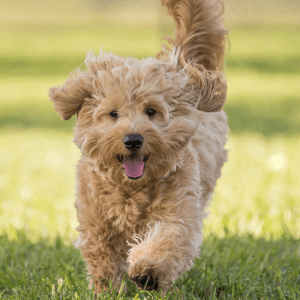
The Havanese is a small toy breed of dog that originated in Cuba. They are known for their friendly and affectionate temperament, as well as their silky, long-haired coats that come in a variety of colors.
They typically weigh between 7-13 pounds and stand 8-11 inches tall at the shoulder. They have a sturdy build and a short, square muzzle. Their ears are high-set and droop down, and their tails are carried over their backs.
These dogs are highly intelligent and trainable, and they are often used as therapy dogs due to their gentle nature. They are also great with children and make wonderful family pets.
One thing to note is that Havanese dogs require regular grooming to keep their long, silky coats looking their best. They also benefit from plenty of exercise and socialization to keep them happy and healthy.
Here are some more details about the Havanese dog:
History
The Havanese breed is believed to have originated in Cuba, where they were developed as companion dogs for wealthy families. They were also popular with circus performers due to their trainability and agility. After the Cuban Revolution, many were brought to the United States by Cuban refugees, and the breed began to gain popularity in North America.
Appearance
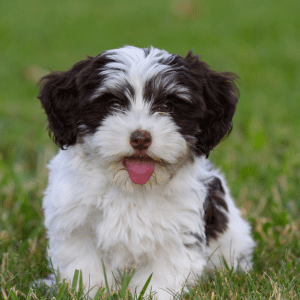
They are small but sturdy, with a square-shaped body and a short, broad muzzle. They have large, round eyes that are usually dark in color. Their ears are set high on their head and hang down, and their tails are carried over their backs. They have a long, silky coat that comes in a variety of colors, including white, black, chocolate, cream, and silver.
Temperament
Havanese dogs are known for their friendly and affectionate nature. They love to be around people and are great with children, making them excellent family pets. They are also highly intelligent and trainable, and they are often used as therapy dogs due to their gentle demeanor. However, like all dogs, they need to be socialized properly from a young age to prevent shyness or aggression.
Health
These dogs are generally healthy and have a lifespan of 12-15 years. However, like all breeds, they are prone to certain health problems, including luxating patellas, eye problems, and heart disease. It’s important to choose a reputable breeder who performs health checks on their dogs to minimize the risk of these issues.
Grooming
As mentioned earlier, they require regular grooming to keep their long, silky coats looking their best. They should be brushed at least once a week and taken to a professional groomer every 4-6 weeks for a trim. It’s also important to clean their ears regularly to prevent infections.
Exercise
While they are small, they still require regular exercise to stay healthy and happy. They enjoy walks, playtime, and training sessions, but they are also content to snuggle up with their owners on the couch. They adapt well to apartment living, but they should still be given opportunities to run and play outside.
Breed Confusion
Havanese vs. Bichon Frise
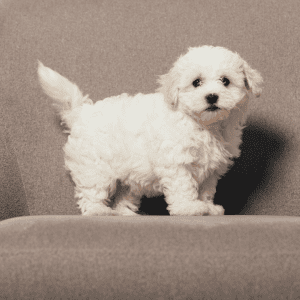
The Bichon Frise is a breed that is often confused with the Havanese. Both breeds share similarities in appearance, such as their small size, fluffy coats, and lively personalities. Due to these resemblances, people sometimes mistake one breed for the other.
However, it’s important to note that while they may look similar, the Havanese and the Bichon Frise are distinct breeds with their own characteristics and traits. Here is a comparison of the two breeds:
Appearance:
- Havanese: The Havanese is a small dog breed with a long, silky coat that can come in various colors, including white, cream, black, and chocolate. They have a slightly longer body compared to their height and a moderately rounded skull. Their ears are dropped and covered in long hair, and they have dark, expressive eyes. Havanese typically weigh between 7-13 pounds and stand around 8.5-11.5 inches tall at the shoulder.
- Bichon Frise: The Bichon Frise is also a small dog breed with a fluffy, curly white coat. They have a rounded skull and a short, well-proportioned muzzle. Their ears are dropped and covered in curly hair, and they have round, dark eyes. Bichon Frises have a compact body, typically weighing between 10-18 pounds and standing around 9.5-11.5 inches tall at the shoulder.
Temperament:
- Havanese: The Havanese is known for being friendly, outgoing, and affectionate. They are social dogs that enjoy being around their family and are generally good with children and other pets. Havanese are intelligent and trainable, making them suitable for various activities such as obedience and agility. They have a happy disposition and are often described as “velcro dogs” due to their tendency to stick close to their owners.
- Bichon Frise: The Bichon Frise is also known for its friendly and affectionate nature. They are sociable dogs that enjoy human companionship and get along well with children and other pets. Bichon Frises are intelligent and have a playful demeanor. They are generally eager to please and respond well to training.
Health:
- Havanese: The Havanese is generally a healthy breed, but they can be prone to certain health issues, including progressive retinal atrophy (PRA), luxating patellas, heart conditions, and certain genetic disorders. Regular veterinary check-ups, a balanced diet, and exercise can help maintain their overall health.
- Bichon Frise: The Bichon Frise is also generally a healthy breed, but they can be prone to certain health conditions, such as allergies, dental problems, patellar luxation, and certain eye issues. Regular grooming, dental care, and routine vet visits are important for their well-being.
Grooming:
- Havanese: The Havanese has a long, silky coat that requires regular grooming to prevent matting and tangling. They need daily brushing to keep their coat in good condition, and periodic professional grooming is recommended. Some owners prefer to keep their Havanese in a shorter, easier-to-maintain haircut.
- Bichon Frise: The Bichon Frise has a curly, dense coat that also requires regular grooming to prevent matting. They need daily brushing to keep their coat tangle-free, and periodic professional grooming is necessary to maintain their appearance. Some owners prefer to keep their Bichon Frise in a shorter, more manageable haircut.
It’s important to note that both the Havanese and the Bichon Frise are wonderful companion dogs with similar temperaments and grooming needs. While they may have slight differences in appearance and potential health issues, they both make loving and charming pets for the right owners.

FUN FACTS
Here are some fun and lesser-known facts about Havanese dogs:
- Havanese dogs are also known as “Havana Silk Dogs” due to their silky coats.
- The Havanese is the national dog breed of Cuba.
- The breed is considered hypoallergenic, making them a good choice for people with allergies.
- Havanese dogs are known for their lively and playful personalities, and they often love to perform tricks and show off for their owners.
- They are also very adaptable and can live happily in a variety of environments, including apartments and suburban homes.
- The Havanese breed was recognized by the American Kennel Club in 1996.
- They have a playful and mischievous nature and are known for their ability to entertain their owners with their antics.
- They were originally bred to be companion dogs and were often carried in the arms of their owners.
- Havanese dogs are very social animals and thrive on human interaction.
- They are also very intelligent and have been known to compete successfully in obedience and agility competitions.
READY TO ADD A HAVANESE DOG TO YOUR HOME OR FAMILY?
The Havanese is an excellent choice for a pet due to its friendly and affectionate nature, making it a wonderful companion for individuals and families alike. With its playful demeanor, intelligence, and adaptability, the Havanese brings joy and companionship to its owners, creating a strong bond that lasts a lifetime.
There are a few things that should be considered before getting one, however:
Grooming: Havanese dogs have a long, silky coat that requires regular grooming to prevent matting and tangling. Brush their coat at least once a day to keep it looking shiny and healthy. You may also want to consider taking them to a professional groomer every few months for a trim.
Exercise: Havanese dogs are small but active and need regular exercise to keep them healthy and happy. A daily walk and some playtime in the backyard or at the dog park should suffice. Be sure to monitor them closely during playtime to make sure they don’t overexert themselves.
Training: Havanese dogs are intelligent and eager to please, making them easy to train. Consistency and positive reinforcement are key when training your Havanese. Use treats and praise to reward good behavior and never use physical punishment.
Socialization: Havanese dogs are social animals and need plenty of opportunities to interact with other dogs and people. Socialization can help prevent behavioral problems down the line, so be sure to expose your Havanese to new experiences, people, and animals from a young age.
Health care: Regular visits to the vet are important for maintaining your Havanese’s health. They may need vaccinations, regular check-ups, and preventative care to prevent illnesses and diseases. Be sure to keep up with their dental care and brush their teeth regularly.
Nutrition: Feed your Havanese a high-quality dog food that meets their nutritional needs. Consult with your vet about the best diet for your individual dog. Avoid feeding them table scraps or human food, as this can lead to digestive problems and obesity.
By following these tips, you can help ensure that your Havanese is happy, healthy, and well-cared for.
Grab your FREE New Puppy Success Guide to help select, prepare for, and train your new puppy!! 

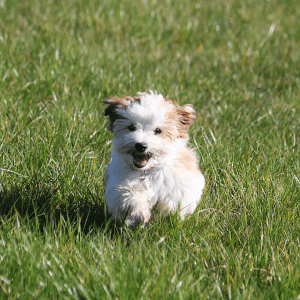
If you are interested in buying a Havanese puppy here in the USA, there are several options available to you:
- Reputable breeders: You can search for reputable Havanese breeders in the USA through the American Kennel Club (AKC) website or the Havanese Club of America (HCA). These organizations provide breeder directories that can help you find responsible breeders who prioritize the health and well-being of their dogs. It’s important to research and choose a breeder who conducts health testing, socializes their puppies, and provides a suitable environment for raising them.
- Rescue organizations: You can also consider checking with Havanese rescue organizations, such as Havanese Rescue Inc., which rescue and rehome Havanese dogs in need. Adopting a Havanese from a rescue organization not only gives a loving home to a deserving dog but also supports the efforts of rescue and rehabilitation.
- Local shelters and adoption centers: Visit local animal shelters or adoption centers as they sometimes have Havanese or Havanese mixes available for adoption. While breed-specific rescues may have a higher chance of having Havanese, it’s worth checking various shelters and adoption centers as well.
DON’T FORGET TO CHECK OUT OUR HAVANESE 101 VIDEO ON YOUTUBE!!

Havanese Puppy Prices
Havanese puppies’ prices in the United States typically range from $1,000 to $3,000 USD. However, prices can vary widely depending on various factors such as the breeder’s reputation, the lineage of the puppy (such as champion bloodlines), location, demand, and whether the puppy comes with pedigree papers.
It’s important to note that finding a Havanese puppy may require some patience and effort, as reputable breeders may have a waitlist for their litters. Take the time to communicate with breeders, ask questions about their breeding practices and the health of their dogs, and visit the premises if possible to ensure the well-being of the puppies. Remember, responsible sourcing helps promote the long-term welfare of the breed.

Keep in mind that the purchase of any dog is a big decision and responsibility, and it is important to choose a breed that fits your lifestyle and preferences.
SUMMARY
Havanese Height: 8.5 -11.5 inches
Havanese Weight: 7 -13 lbs.
Havanese Colors: White, Cream, Black, Chocolate, Sable, Silver, Blue, and Parti-Color
Havanese Temperament: Friendly, affectionate, playful, intelligent, adaptable
Havanese Life Expectancy: 14-16 years.
Overall, the Havanese is a delightful and devoted companion, bringing joy, affection, and a playful spirit to their owners’ lives.
Want some more ways to spread the Havanese love?
Follow these hashtags on social media: #havanese #havanesepuppy #havaneselovers #havaneseworld #havanesedog #havaneselife #havaneseofinstagram #havanesefamily #havanesepuppies #havaneseclub #havanesepup #havaneselover #havaneselifeisthebestlife #havanesecommunity #havanesedogs #havanesemoments #havanesegram #havaneselove #havanesenation #havanesecuteness #havanesepuppylove #havanesepuppylife
Print this FREE Havanese Coloring Page!
Connect with us on social media to see more about the Havanese!