



Basenjis are one of the oldest dog breeds in the world, with origins dating back to ancient Egypt. They were highly prized for their hunting abilities and were often depicted in Egyptian art.
Basenjis are sometimes called the “barkless dog” because they make a yodel-like sound instead of barking. However, they are not completely silent and can still make other vocalizations such as whining and growling.
Basenjis are known for their intelligence and independent nature, which can make them more challenging to train than some other breeds. Positive reinforcement training techniques and early socialization can help them become well-behaved and obedient pets.
Basenjis are a relatively healthy breed, but they can be prone to certain health issues such as hip dysplasia, progressive retinal atrophy (PRA), and Fanconi syndrome (a kidney disease). Responsible breeders will screen their dogs for these conditions before breeding.
Basenjis have a high energy level and require daily exercise and mental stimulation. They enjoy activities such as hiking, running, and playing fetch, and may also do well in dog sports such as agility or obedience.
Basenjis can make good family pets, but they may not be the best choice for households with very young children. Their independent nature can make them less tolerant of rough handling or excessive attention.
In summary, Basenjis are a unique and fascinating breed with a rich history and many admirable qualities. They can make wonderful pets for the right owner who is willing to put in the time and effort to meet their needs.

Breed Confusion
Basenji vs. Pharaoh Hound
The Basenji is often confused with the Pharaoh Hound. Both breeds share some physical similarities, such as their sleek and athletic build, short coat, and erect ears. Additionally, both breeds are known for their independent and aloof personalities.
Here’s a comparison and contrast between the Basenji and the Pharaoh Hound:
Basenji
Origin: The Basenji is often referred to as the “African Barkless Dog” and is believed to have originated in Central Africa. It is one of the oldest known dog breeds.
Size: Basenjis are typically a small to medium-sized breed. They stand at about 16 to 17 inches (41-43 cm) at the shoulder and weigh around 22 to 24 pounds (10-11 kg).
Coat: They have a short, fine coat that comes in various colors, including red, black, tricolor, and brindle.
Temperament: Basenjis are known for their independent and cat-like personalities. They can be aloof with strangers but are generally loyal to their families. They are intelligent but can also be quite stubborn.
Barking: Basenjis are often called “barkless dogs” because they don’t bark like most dogs. Instead, they produce a unique yodel-like sound known as a “barroo.”
Exercise Needs: They have high energy levels and require regular exercise and mental stimulation. They enjoy activities like running, agility, and chasing games.
Pharaoh Hound
Origin: The Pharaoh Hound is believed to have originated in ancient Egypt. They are often associated with the island of Malta and are also known as the “Maltese dog.”
Size: Pharaoh Hounds are slightly larger than Basenjis, standing at about 21 to 25 inches (53-64 cm) at the shoulder and weighing around 45 to 55 pounds (20-25 kg).
Coat: They have a short, glossy coat that is typically tan or chestnut in color with white markings on the chest, toes, and tip of the tail.
Temperament: Pharaoh Hounds are known for their gentle and affectionate nature. They are typically good with families and are friendly with strangers. They are also intelligent and trainable.
Barking: Unlike Basenjis, Pharaoh Hounds are known for their distinct bark, which can be quite loud. They can be vocal when excited.
Exercise Needs: Pharaoh Hounds have moderate exercise needs. They enjoy regular walks and playtime but are not as high-energy as Basenjis.
In summary, both the Basenji and Pharaoh Hound are ancient breeds known for their sleek appearance and independent personalities. However, they have differences in size, coat color, temperament, vocalizations, and exercise needs. When choosing between these breeds, it’s essential to consider your lifestyle and preferences to determine which one is the better fit for you and your family.

FUN FACTS
Here are some fun and little-known facts about the Basenji breed:
- Basenjis are known as the “barkless dog” because they make very little noise. Instead of barking, they make a unique sound that is often described as a yodel or a howl.
- Basenjis are one of the oldest dog breeds in the world, with evidence of their existence dating back to ancient Egypt.
- Basenjis are highly intelligent dogs, but they can also be quite stubborn and independent, which can make them challenging to train.
- Basenjis are known for their cleanliness and grooming habits. They are often compared to cats in this regard, as they are fastidious about grooming themselves and are generally not prone to odors.
- Basenjis have a strong prey drive and were originally bred to hunt small game in Africa. As a result, they can be difficult to train to coexist peacefully with small pets like cats and rabbits.
- Basenjis are very athletic dogs and enjoy running and jumping. They have been known to jump over fences that are six feet high, so a secure yard is a must for these dogs.
- Basenjis are often described as “cat-like” in their behavior. They are independent, aloof, and sometimes even seem to have a sense of humor.
- Basenjis have a unique trait called “baroo,” which is a vocalization they make when they are happy or excited. It is often described as a cross between a howl and a yodel.
- Basenjis are known for their excellent eyesight and sense of smell. They are often used in search and rescue operations and can track scents for miles.
- Basenjis have a strong sense of pack hierarchy and can be protective of their families. However, they are also known for their affectionate nature and love to cuddle with their human companions.
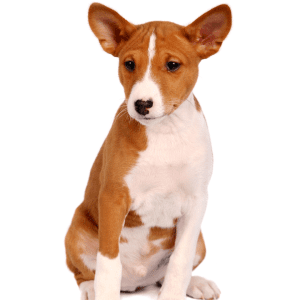
READY TO ADD A BASENJI TO YOUR HOME OR FAMILY?
The Basenji can be a unique and rewarding pet for experienced dog owners who appreciate their independent nature and the novelty of their “barkless” vocalizations. However, prospective Basenji owners should be prepared for their strong-willed personalities and be willing to provide ample exercise and mental stimulation to keep them content.
Before getting a Basenji, however, several important factors should be considered:
Temperament and Independence: Basenjis are known for their independent and somewhat aloof nature. Prospective owners should be prepared for a dog that may not always seek constant affection and may exhibit a degree of stubbornness.
Exercise Needs: Basenjis are an active breed with high energy levels. They require regular exercise and mental stimulation to prevent boredom and destructive behavior. Daily walks and opportunities for off-leash running are essential.
Vocalization: While they may not bark, Basenjis produce unique vocalizations known as “barroos.” These can be quite distinctive and may not suit people who prefer a quiet household.
Training Challenges: Basenjis are intelligent but can be challenging to train due to their independent nature. Consistent, positive reinforcement-based training is crucial, and owners should be patient and persistent.
Socialization: Early socialization is essential to ensure Basenjis are well-adjusted and get along with other dogs and pets. They can be reserved or cautious around strangers.
Grooming: Basenjis have a short coat that requires minimal grooming. They are generally clean dogs and are known to groom themselves similar to cats.
Escape Artists: Basenjis have a strong prey drive and a natural inclination to hunt. They are excellent jumpers and climbers and may try to escape if not properly contained in a secure yard.
Allergies and Health Concerns: Like all breeds, Basenjis are prone to certain health issues, including hip dysplasia and certain eye conditions. It’s essential to work with a reputable breeder who screens for these health problems. Some individuals may also be prone to allergies.
Lifestyle Compatibility: Basenjis are a good fit for active individuals or families who can provide both physical and mental stimulation. They may not be the best choice for first-time dog owners or those looking for a lap dog.
Time Commitment: Basenjis can live for 12-16 years or more. Potential owners should be prepared for a long-term commitment to their care and well-being.
Before bringing a Basenji into your home, it’s advisable to thoroughly research the breed, meet with breeders or rescue organizations, and assess whether your lifestyle and preferences align with the unique characteristics and needs of this breed.
Grab your FREE New Puppy Success Guide to help select, prepare for, and train your new puppy!! 


If you are interested in buying a Basenji, here in the USA, there are a few options available to you:
- Contact Basenji Breed Clubs: The Basenji Club of America (BCOA) is the official breed club for Basenjis in the USA. They have a breeder directory on their website, which can be a good starting point for finding responsible breeders who adhere to breed standards and ethics.
- Attend Dog Shows and Events: Attending dog shows, events, or specialty shows where Basenjis are exhibited can provide an opportunity to meet breeders in person and see their dogs. You can also ask for recommendations from experienced Basenji owners at these events.
- Online Resources: While it’s crucial to be cautious when searching online, some websites and forums can help you connect with reputable breeders. However, verify the breeder’s credentials, ask for references, and visit the breeder in person if possible.
- Local and National Basenji Rescue Organizations: In addition to purchasing from a breeder, consider adopting a Basenji through a rescue organization. Basenji rescues occasionally have puppies available for adoption.
- Ask for Recommendations: Reach out to Basenji owners and enthusiasts for recommendations. They may be able to refer you to breeders they trust or have had positive experiences with.
DON’T FORGET TO CHECK OUT OUR BASENJI 101 VIDEO ON YOUTUBE!!

Basenji Puppy Prices
The average price for a Basenji puppy can vary significantly based on several factors such as the breeder’s reputation, the lineage of the dog, location, and whether the puppy has pedigree papers.
On average, Basenji puppies can range anywhere from $800 to $2500 or more in the United States. Show-quality or puppies from champion bloodlines might be at the higher end of this range or even more expensive.
It’s crucial to note that the initial cost of purchasing a puppy is just one part of the expenses associated with pet ownership. Additional costs like vaccinations, training, grooming, food, and regular vet check-ups should also be considered when planning to bring a new pet into your home.
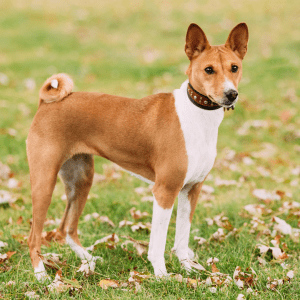
Remember that every puppy is unique, so you may need to adjust your supplies and training methods to suit your Basenji’s specific needs and preferences. Regular veterinary check-ups and consultations with a professional trainer or behaviorist can also be valuable investments in your puppy’s well-being and development.
Keep in mind that the purchase of any dog is a big decision and responsibility, and it is important to choose a breed that fits your lifestyle and preferences.
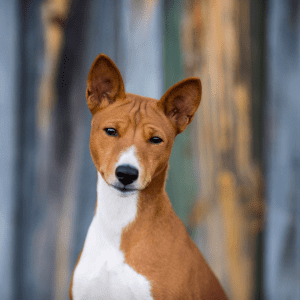
SUMMARY
Basenji Height: 15-17 inches
Basenji Weight: 20-24 lbs.
Basenji Colors: Red, Black and White, Tricolor, Brindle, Black and Tan, Trindle
Basenji Temperament: Independent, Intelligent, Aloof, Alert, and Playful
Basenji Life Expectancy: 12-16 years.
Overall, the Basenji makes for a faithful and loyal companion with its independent spirit, playful demeanor, and distinctive vocalizations, offering a unique and lasting canine bond.
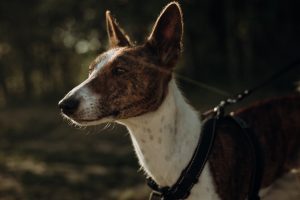
Want some more ways to spread the Basenji love?
Follow these hashtags on social media: #BasenjiLove #BasenjiLife #BasenjiDog #BasenjiPuppy #BasenjiWorld #BasenjiNation #BasenjiGram #BasenjiCommunity #BasenjiAdventure #BasenjiRescue #BasenjiTraining #BasenjiLovers #BasenjiMoments #BasenjiCute #BasenjiMix#BasenjiOfInstagram #BasenjiClub #BasenjiDaily #BasenjiFeatures #BasenjiSoCute #BasenjiFun #BasenjiObsessed #BasenjiLifeStyle #BasenjiAdventures #BasenjiFamily #BasenjiWorldwide #BasenjiLoveStory #BasenjiPersonality #BasenjiFans
Print this FREE Basenji Coloring Page!
Connect with us on social media to see more about the Basenji!