

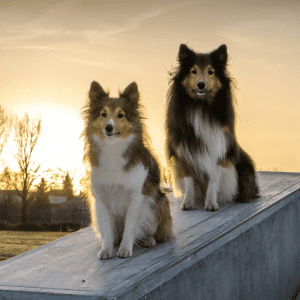
The Shetland Sheepdog, also known as the Sheltie, is a small to medium-sized herding dog breed that originated in the Shetland Islands of Scotland. They were originally bred to herd and protect sheep, and have since become popular as a companion and family pet.
They are warmly referred to as “Shelties” for short.
Shelties are often referred to as miniature Collies, as they share many physical and personality traits with their larger cousins.
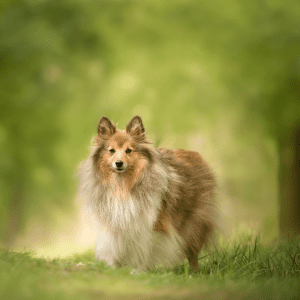
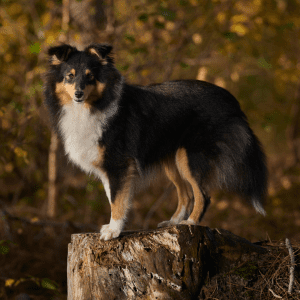
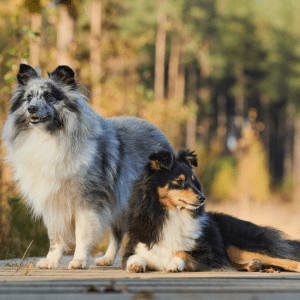
Shelties typically weigh between 15 and 25 pounds and stand between 13 and 16 inches tall at the shoulder. They have a long, thick coat that comes in various colors, including sable, black, and blue merle, with white markings. They are known for their beautiful, flowing mane and thick fur, which requires regular grooming to keep it healthy and free of tangles.
Shetland Sheepdog Personality
Shelties are intelligent and active dogs that thrive on human companionship. They are known for being loyal, loving, and affectionate with their families, but may be reserved or shy around strangers. They have a strong herding instinct and may try to herd other animals or even people, so early socialization and training is important to prevent any unwanted behavior.
The Shetland Sheepdog is a beautiful and intelligent breed that makes a great family pet for those who are willing to provide the necessary exercise, training, and grooming.
Shetland Sheepdog Temperament
Shelties are very active dogs and require regular exercise to stay healthy and happy. They enjoy long walks, hikes, and playing games with their owners. Shelties are known for their intelligence and are quick learners. They excel in obedience training and agility competitions.
Health
Shelties are prone to certain health issues, including hip dysplasia, progressive retinal atrophy, and von Willebrand’s disease. Regular vet checkups and responsible breeding can help reduce the risk of these health problems.
Shetland Sheepdog Lifespan
The Shetland Sheepdog has a relatively long lifespan of around 12-14 years, which can be attributed to their overall good health and well-being, as well as responsible breeding practices that focus on reducing the incidence of genetic health issues.
The Shetland Sheepdog is a beautiful and intelligent breed that is popular among families and dog enthusiasts alike. They require regular exercise and grooming, but their loyalty and affectionate nature make them great companions for those who are willing to provide them with the care they need.
Breeds Similar to the Shetland Sheepdog
Shetland Sheepdog vs. Border Collie vs. Australian Shepherd vs. Collie
Appearance:
- Shetland Sheepdog: The Shetland Sheepdog is a medium-sized dog breed with a long, double coat that comes in several colors, including sable, black, and blue merle. They have a wedge-shaped head with a long, narrow muzzle and pointed ears that stand erect. They have a lean, agile body that is about 13-16 inches tall and weighs around 15-25 pounds.
- Border Collie: The Border Collie is a medium to large dog breed with a thick, double coat that comes in several colors, including black and white, red and white, and tricolor. They have a broad, flat head with a medium-length muzzle and ears that stand erect or flop over. They have a muscular body that is about 18-22 inches tall and weighs around 30-55 pounds.
- Australian Shepherd: The Australian Shepherd is a medium-sized dog breed with a double coat that comes in several colors including blue merle, black, and red merle. They have a slightly rounded head with a medium-length muzzle, and their ears are usually erect. They have a muscular, athletic build that is about 18-23 inches tall and weighs around 40-65 pounds.
- Collie: The Collie is a medium-sized dog breed with a long, flowing coat that can be rough or smooth. Their coat comes in a variety of colors, including sable and white, tricolor, and blue merle. They have a wedge-shaped head with a long, pointed nose, and their ears are semi-erect. They have a lean, athletic body that is about 22-26 inches tall and weighs around 50-75 pounds.
Temperament:
- Shetland Sheepdog: The Shetland Sheepdog is known for being intelligent, loyal, and affectionate. They are also highly trainable and excel in obedience competitions and agility trials. They are good with children and other pets, but can be reserved around strangers.
- Border Collie: The Border Collie is known for being highly intelligent, energetic, and trainable. They have a strong herding instinct and excel in sheepdog trials and other working competitions. They can be reserved around strangers and require early socialization to prevent shyness or aggression.
- Australian Shepherd: The Australian Shepherd is known for being intelligent, energetic, and loyal. They are highly trainable and make excellent working dogs, but also make great family pets. They are affectionate with their owners and can be good with children, but can be reserved with strangers. They are active and require plenty of exercise and mental stimulation.
- Collie: The Collie is a medium-sized dog breed with a long, flowing coat that can be rough or smooth. Their coat comes in a variety of colors, including sable and white, tricolor, and blue merle. They have a wedge-shaped head with a long, pointed nose, and their ears are semi-erect. They have a lean, athletic body that is about 22-26 inches tall and weighs around 50-75 pounds.
Health:
- Shetland Sheepdog: The Shetland Sheepdog is generally a healthy breed, but can be prone to some health issues such as hip dysplasia, progressive retinal atrophy, and hypothyroidism.
- Border Collie: The Border Collie is also generally a healthy breed, but can be prone to some health issues such as hip dysplasia, epilepsy, and deafness.
- Australian Shepherd: The Australian Shepherd is generally a healthy breed, but can be prone to some health issues such as hip dysplasia, eye problems, and epilepsy. They also have a higher risk of developing certain types of cancer.
- Collie: The Collie is generally a healthy breed, but can be prone to some health issues such as hip dysplasia, eye problems (including progressive retinal atrophy and collie eye anomaly), and skin allergies.
Grooming:
- Shetland Sheepdog: The Shetland Sheepdog requires regular grooming to keep their long coat free of tangles and matting. They also shed heavily twice a year and require additional grooming during those times.
- Border Collie: The Border Collie requires regular grooming to keep their thick coat free of tangles and matting. They also shed heavily twice a year and require additional grooming during those times.
- Australian Shepherd: The Australian Shepherd requires regular grooming to keep their double coat free of tangles and matting. They shed seasonally and may require more frequent grooming during these times. They also need occasional trimming to maintain their coat’s length and shape.
- Collie: The Collie’s long, flowing coat requires regular grooming to prevent matting and tangling. They shed seasonally, and more frequently in the spring and fall, so brushing during these times is especially important. They also require occasional bathing to keep their coat clean and healthy.
FUN FACTS
Here are some fun and little-known facts about the Shetland Sheepdog:
- Shelties are often called “shadows” because they love to follow their owners around and be close to them at all times.
- The Shetland Sheepdog is one of the few dog breeds that has a double coat, which helps to keep them warm in cold weather.
- Shelties are great at agility and obedience competitions, and have been known to excel in Frisbee and flyball as well.
- One of the most famous Shelties is a dog named Ch. Honeybunch of Shadyside, who won the Best in Show title at the Westminster Kennel Club Dog Show in 1961.
- Shelties are sometimes called “barkies” because they are known for their vocal nature and love to bark, especially when they sense danger or are trying to protect their family.
- The breed was originally known as the Shetland Collie, but the name was changed to Shetland Sheepdog in 1914 to avoid confusion with the larger Rough and Smooth Collies.
- Shelties have a very acute sense of hearing, and are often used as therapy dogs for people with hearing impairments.
- Despite their small size, Shelties have been known to herd large farm animals such as cows and horses.
- The breed has also been used as a search and rescue dog, and has been known to help locate missing persons in disaster areas.
- These are just a few of the many fun facts about the Shetland Sheepdog. With their intelligence, loyalty, and playful nature, it’s no wonder they are such a beloved breed.
READY TO ADD A SHETLAND SHEEPDOG TO YOUR HOME OR FAMILY?
Shetland Sheepdogs are loyal, affectionate, and intelligent dogs that make excellent companions for families and individuals alike.
Here are some factors to consider when thinking about whether a Shetland Sheepdog is a good fit for your home or family:
Exercise and Activity Level: Shetland Sheepdogs are an active breed and require daily exercise and mental stimulation. Prospective owners should consider if they have enough time and energy to provide regular exercise and playtime.
Grooming Needs: Shetland Sheepdogs have a long, thick coat that requires regular grooming to prevent matting and tangles. Owners should be prepared to commit to regular brushing and grooming or be willing to pay for a professional groomer.
Health Concerns: Like all breeds, Shetland Sheepdogs can be prone to certain health issues such as hip dysplasia, eye problems, and allergies. Prospective owners should research these potential health concerns and ensure they can provide adequate veterinary care.
Training and Socialization: Shetland Sheepdogs are highly intelligent and trainable, but also have a sensitive nature. Proper training and socialization are crucial to ensure they develop into well-behaved and confident dogs. Prospective owners should be prepared to devote time and energy to training and socializing their Shetland Sheepdog.
Living Environment: Shetland Sheepdogs are adaptable to various living environments, but they do best in a home with a fenced yard and plenty of space to run and play. They may not be suitable for apartment living unless their exercise and activity needs are met.
By considering these factors, you can determine if a Shetland Sheepdog is the right fit for your lifestyle and provide a happy and healthy home for your new furry companion.
Grab your FREE New Puppy Success Guide to help select, prepare for, and train your new puppy!! 

If you are interested in purchasing a Shetland Sheepdog puppy in the United States, you can consider the following options:
- Reputable breeders: You can search for reputable Shetland Sheepdog breeders in the USA through the American Kennel Club (AKC) website or other breed-specific organizations, such as the American Shetland Sheepdog Association (ASSA). It is important to do your research and choose a breeder who has a good reputation, health tests their breeding dogs, and raises their puppies in a clean and healthy environment.
- Rescue organizations: You can also check with Shetland Sheepdog rescue organizations, such as The National Sheltie Rescue Organization. These organizations rescue and rehome Shelties that are in need of a new home. Adopting a dog from a rescue organization is a great way to give a dog a second chance at a happy life.
- Pet shops and online marketplaces: Keep in mind, however, that while you may be able to find Shetland Sheepdogs for sale in pet shops or online marketplaces, it is important to be cautious as these sources may not always provide healthy or well-bred puppies. It is recommended to purchase only from a reputable breeder or rescue organization to ensure the best possible outcome for both you and the dog.
DON’T FORGET TO CHECK OUT OUR SHETLAND SHEEPDOG 101 VIDEO ON YOUTUBE!!

Shetland Sheepdog Puppy Prices
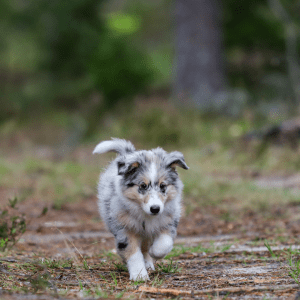
The price of a Shetland Sheepdog (Sheltie) puppy can vary significantly based on various factors such as the breeder’s reputation, the lineage of the dog, location, demand, and whether the puppy has been vaccinated, microchipped, or comes with any additional health guarantees or certifications.
On average, Shetland Sheepdog puppies from reputable breeders can range anywhere from $800 to $2,500 USD. Show-quality or puppies from champion bloodlines may be priced higher, often reaching or exceeding the upper end of this range. However, these prices can vary greatly and may be higher or lower depending on the aforementioned factors.
Keep in mind that the purchase of any dog is a big decision and responsibility, and it is important to choose a breed that fits your lifestyle and preferences.
SUMMARY
Shetland Sheepdog Height: 13-16 inches
Shetland Sheepdog Weight: 14-27 lbs.
Shetland Sheepdog Colors: Sable, Black, Blue Merle, and Sable Merle
Shetland Sheepdog Temperament: Intelligent, affectionate, loyal, energetic, sensitive.
Shetland Sheepdog Life Expectancy: 12-14 years.
Overall, the Shetland Sheepdog is a loyal and intelligent companion that thrives on human companionship and makes an excellent family pet.
Want some more ways to spread the Shetland Sheepdog love?
Follow these hashtags on social media: #ShetlandSheepdog #SheltieLove #SheltieNation #SheltiePride #SheltieLife #SheltiesOfInstagram #DogsofInstagram #PetsofInstagram #SheltieCommunity #SheltieLovers #CuteSheltie #AdorableSheltie #SheltieGram #SheltieObsessed #SheltieMom #SheltieSquad #SheltieGang #SheltieLifeIsTheBestLife #SheltieLoveForever #SheltieBeauty #SheltieFeatures #InstaSheltie #SheltieTales #SheltieFamily #SheltieCuteness #SheltieFamous #SheltieNationUnite
Print this FREE Shetland Sheepdog Coloring Page!
Connect with us on social media to see more about the Shetland Sheepdog!