
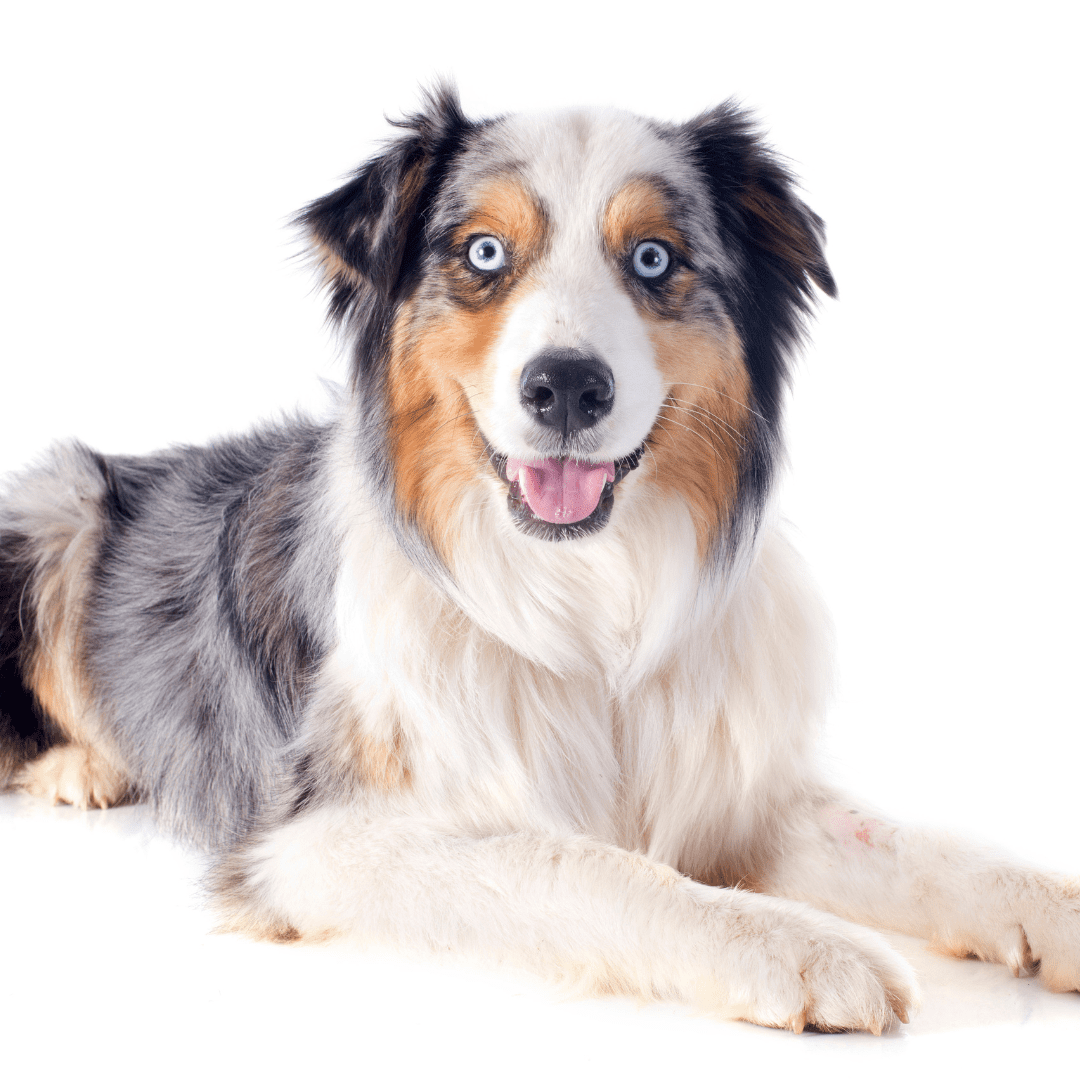

The Australian Shepherd, often simply called the “Aussie,” is a popular and distinctive dog breed known for its intelligence, agility, and herding instincts. Despite its name, the breed’s origins are not in Australia but rather in the United States, where it was developed in the 19th century to work as a herding dog for livestock, particularly sheep.
Here are some key characteristics and information about Australian Shepherds:
Appearance
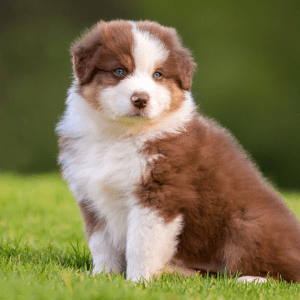
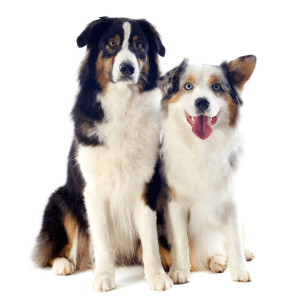
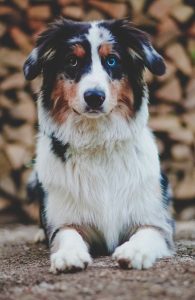
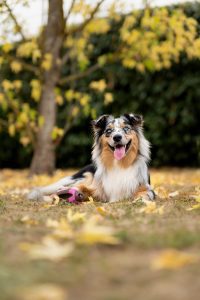
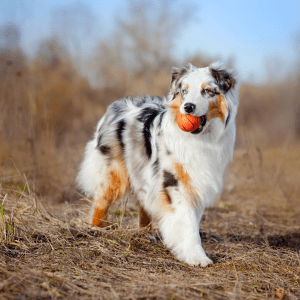
Australian Shepherds are medium-sized dogs with a well-balanced and slightly longer than tall build. They have a thick double coat that can come in various colors, including black, blue merle, red, and red merle. Their coat may have white markings and copper points on their face, legs, and chest. They often have striking blue eyes, although some may have brown, green, or amber eyes.
Temperament
Aussies are known for their high intelligence, alertness, and strong work ethic. They are highly trainable and excel in various dog sports and activities, such as obedience, agility, and herding trials. They are also loyal, affectionate, and protective of their families, making them great companions.
Energy Level
Australian Shepherds are an energetic breed and require regular exercise to stay happy and healthy. They thrive in environments where they can engage in physical and mental activities. Daily walks, playtime, and mental stimulation through training are essential to keep them content.
Herding Instinct
Due to their herding heritage, Australian Shepherds may exhibit behaviors such as nipping at the heels of people or other animals, as they are trying to herd them. This behavior can be controlled and redirected through training.
Australian Shepherd Size
The typical Australian Shepherd stands between 18 to 23 inches (46 to 58 cm) tall at the shoulder and weighs between 40 to 65 pounds (18 to 29 kg).
Health
Australian Shepherds are generally a healthy breed, but like all breeds, they can be prone to certain health issues, including hip dysplasia, eye disorders, and epilepsy. Responsible breeding and regular veterinary check-ups are essential for maintaining their health.
Lifespan
The average lifespan of an Australian Shepherd is around 12 to 15 years.
Grooming
Due to their thick double coat, Australian Shepherds require regular grooming to prevent matting and minimize shedding. Brushing their coat a few times a week is usually sufficient to keep it in good condition.
Family Dogs
Australian Shepherds can make excellent family pets, especially for active families who can provide them with the physical and mental stimulation they need. They are good with children and can be protective of them.
Training
Aussies are highly trainable and enjoy learning new tricks and commands. Positive reinforcement training methods work well with this breed. Early socialization and consistent training are important to ensure they grow up to be well-adjusted and obedient dogs.
The Australian Shepherd is a versatile and intelligent breed known for its herding abilities, loyalty, and high energy levels. They make great companions for active individuals and families who can meet their exercise and mental stimulation needs.
Breed Confusion
Australian Shepherd vs. Border Collie
The Australian Shepherd is often confused with the Border Collie. Both breeds share some similarities in appearance and are known for their herding instincts, intelligence, and agility. This resemblance can lead to confusion, especially for those who are not familiar with dog breeds.
Here are some key differences between the Australian Shepherd and the Border Collie to help clarify the distinction:
Origin:
- Australian Shepherd: As previously mentioned, the Australian Shepherd originated in the United States and was developed for herding livestock.
- Border Collie: The Border Collie, on the other hand, is a British breed that hails from the border region between Scotland and England. It has a longer history of herding and working with sheep in the British Isles.
Coat Colors:
- Australian Shepherd: Aussies come in various coat colors, including black, blue merle, red, and red merle, often with white markings and copper points.
- Border Collie: Border Collies typically have a black and white coat, although they can also be found in other colors and patterns, such as red and white or tricolor.
Coat Length:
- Australian Shepherd: Australian Shepherds have a medium-length double coat, which can be quite thick and requires regular grooming.
- Border Collie: Border Collies usually have a shorter, smoother coat that requires less grooming.
Size:
- Australian Shepherd: Aussies are slightly larger than Border Collies, with males typically standing between 20 to 23 inches (51 to 58 cm) tall at the shoulder.
- Border Collie: Border Collies are generally smaller, with males standing between 19 to 22 inches (48 to 56 cm) tall at the shoulder.
Tail:
- Australian Shepherd: Aussies often have a naturally bobbed tail, but some individuals may have a full tail.
- Border Collie: Border Collies typically have a longer tail that reaches to their hocks.
Temperament:
- Australian Shepherd: Australian Shepherds are known for their protective and loyal nature. They can be reserved with strangers but are generally affectionate with their families.
- Border Collie: Border Collies are highly intelligent and often have an intense work drive. They are known for their keen herding instincts and strong desire to work.
While Australian Shepherds and Border Collies share some characteristics, they are distinct breeds with their own unique traits and histories. It’s important to research and understand the specific needs and characteristics of each breed if you are considering adding one to your family to ensure a good fit for your lifestyle and preferences.
FUN FACTS
Here are 10 fun or little-known facts about Australian Shepherds:
- They’re Not from Australia: Despite their name, Australian Shepherds have no connection to Australia. Their breed actually originated in the United States, particularly in the Western states where they were used for herding livestock.
- Versatile Athletes: Aussies are known for their agility and versatility. They excel in various dog sports, including obedience, agility, flyball, and even competitive herding trials.
- The “Aussie Wiggle”: Australian Shepherds are known for their distinctive and charming “Aussie wiggle.” This refers to their habit of wiggling their hindquarters when they’re excited or happy.
- Unique Coat Patterns: The Australian Shepherd’s coat comes in a variety of colors and patterns. The merle pattern is particularly striking, with patches of color on a marbled or mottled background.
- Heterochromia: Some Australian Shepherds have a condition called heterochromia, where each eye is a different color. It’s not uncommon to see Aussies with one blue eye and one brown eye.
- Double Merle Deafness: Breeding two merle-coated Australian Shepherds together can result in puppies with a double merle coat, which is prone to deafness and vision problems. Responsible breeders avoid this mating to protect the health of the puppies.
- Cowboy’s Choice: Australian Shepherds gained popularity in the American West and were highly valued by cowboys for their herding abilities. They even earned the nickname “Ghost Eye Dogs” due to their striking eye colors.
- Intelligence: Australian Shepherds are ranked as one of the most intelligent dog breeds. They are quick learners and thrive on mental stimulation and problem-solving activities.
- Film and TV Stars: Due to their intelligence and trainability, Australian Shepherds have been featured in various films and television shows. They are often cast in roles that require agility and obedience.
- Loyal Companions: Australian Shepherds are known for their loyalty and protective nature. They form strong bonds with their families and are willing to protect them if they sense a threat.
Remember that while Australian Shepherds are wonderful dogs, they are also high-energy and intelligent, which means they require plenty of exercise, mental stimulation, and consistent training to thrive as pets.
READY TO ADD AN AUSTRALIAN SHEPHERD TO YOUR HOME OR FAMILY?
The Australian Shepherd makes an excellent pet for active individuals or families who can provide them with the exercise and mental stimulation they crave. Their loyalty, intelligence, and affectionate nature make them a loving and devoted companion for those who appreciate their herding heritage and boundless energy.
Before getting an Australian Shepherd, however, there are several important factors to consider:
Activity Level: Aussies are highly active dogs that require regular exercise and mental stimulation. Make sure you have the time and energy to provide them with daily activities like long walks, playtime, and engaging tasks.
Space: These dogs thrive in larger spaces with room to run and play. A yard or access to open areas can be ideal, but they can adapt to apartment living if exercised adequately.
Time Commitment: Australian Shepherds are intelligent and need mental challenges. Be prepared to invest time in training, puzzle toys, and interactive play to keep them mentally stimulated.
Socialization: Early socialization is crucial to prevent behavioral problems. Expose them to various people, animals, and situations to ensure they grow up well-adjusted and confident.
Training: Aussies are eager learners, but they need consistent and positive reinforcement-based training. Consider obedience classes or working with a professional dog trainer, especially if you’re a first-time dog owner.
Grooming: Their double coat requires regular brushing to prevent matting and shedding. Be prepared for grooming tasks and occasional baths.
Healthcare: Like all breeds, Australian Shepherds may have specific health concerns. Ensure regular vet check-ups and consider potential health costs.
Herding Instinct: Be aware of their herding instinct, which may manifest as nipping at heels or attempting to control movements. Training and redirection are essential to manage these behaviors.
Family Lifestyle: Assess whether your family’s lifestyle is compatible with the breed’s needs. Aussies can be good family pets, but they may not be suitable for households with very young children or elderly family members due to their high energy.
Time Investment: Australian Shepherds can live for 12 to 15 years or more. Consider the long-term commitment involved in caring for a dog throughout their life.
Breeder Reputation: Choose a reputable breeder who conducts health testing and breeds for temperament. Alternatively, consider adopting from a rescue organization or shelter.
Financial Responsibility: Owning a dog comes with financial responsibilities, including food, grooming, veterinary care, and unexpected expenses. Ensure you can provide for your pet’s needs.
Remember that Australian Shepherds are not only loving and loyal companions but also require dedicated owners who can meet their physical and mental needs. Proper preparation and commitment are essential to ensuring a happy and healthy life for both you and your Aussie.
Grab your FREE New Puppy Success Guide to help select, prepare for, and train your new puppy!! 

If you are interested in purchasing an Australian Shepherd, here in the USA, there are a few options available to you:
- Reputable Breeders: The best way to find a healthy and well-bred Australian Shepherd puppy is through a responsible breeder. Look for breeders who are members of breed clubs like the Australian Shepherd Club of America (ASCA) and follow ethical breeding practices. Reputable breeders typically conduct health screenings on their breeding dogs and provide proper care for their puppies. You can search for breeders on the ASCA website or through local breed clubs.
- Rescue Organizations: Consider adopting an Australian Shepherd from a rescue organization or shelter. Many Aussies end up in rescues due to various reasons, and you can provide a loving home to a dog in need. Organizations like the Australian Shepherd Rescue Network (ASRN) and local rescue groups often have Australian Shepherds available for adoption.
- AKC Marketplace: The American Kennel Club (AKC) Marketplace is a reputable online resource where you can find information about breeders who are AKC-registered and adhere to their guidelines. However, it’s essential to do your due diligence and research any breeder you find on the marketplace thoroughly.
- Word of Mouth: Ask for recommendations from Australian Shepherd owners or enthusiasts in your local area or online communities. They may be able to refer you to reputable breeders or rescues.
- Dog Shows and Events: Attend dog shows, agility trials, or other dog-related events in your area. This can be an excellent opportunity to meet breeders, exhibitors, and enthusiasts who may be able to guide you in your search.
DON’T FORGET TO CHECK OUT OUR AUSTRALIAN SHEPHERD 101 VIDEO ON YOUTUBE!!

Australian Shepherd Puppy Prices
The price of an Australian Shepherd puppy in Australia and the United States typically ranges from $600 to $2,000 USD. However, prices can vary widely based on various factors such as the quality of the bloodline, breeder reputation, location, demand for the breed, and whether the puppy is from a show-quality or working line.
In some cases, Australian Shepherd puppies from reputable breeders with pedigree certifications, health clearances, and a strong lineage for show or work purposes might be priced higher. Conversely, pet-quality puppies without specific breeding traits or certifications may be less expensive.
When contacting breeders or rescue organizations, be prepared to ask questions about the puppy’s health, pedigree, socialization, and the breeder’s practices. Visit the breeder or rescue facility if possible to meet the puppy’s parents and assess the living conditions. Responsible breeders and rescues prioritize the well-being of their dogs and puppies and are happy to answer your questions.
Remember that patience is crucial when looking for the right Australian Shepherd puppy. Avoid purchasing from puppy mills, backyard breeders, or unscrupulous sources, as they may not prioritize the health and welfare of the dogs. Responsible breeding and adoption practices help ensure you bring a happy and healthy puppy into your home.

Remember that your Australian Shepherd puppy’s needs will evolve as they grow, so regularly assess and update their supplies to accommodate their changing requirements. Additionally, consult with your veterinarian for personalized advice on your puppy’s care and specific product recommendations based on their age and health.
Keep in mind that the purchase of any dog is a big decision and responsibility, and it is important to choose a breed that fits your lifestyle and preferences.
SUMMARY
Australian Shepherd Height: 18-21 inches for females, 20-23 inches for males
Australian Shepherd Weight: 40-55 lbs for females, 50-65 lbs for males
Australian Shepherd Colors: Black, Blue Merle, Red, Red Merle, Tri-Color, Bi-Color, Sable, Liver
Australian Shepherd Temperament: Energetic, Intelligent, Loyal, Alert, Work-Oriented
Australian Shepherd Life Expectancy: 12-15 years.
Overall, Australian Shepherds make wonderful companions for active individuals and families, offering loyalty, intelligence, and an unwavering affection that enriches their owner’s lives.
Want some more ways to spread the Australian Shepherd love?
Follow these hashtags on social media: #australianshepherd #aussie #aussiesofinstagram #australianshepherdworld #aussielove #aussiepuppy #australianshepherd_feature #australianshepherd_love #australianshepherdsofinstagram #aussiegram #aussielife #aussiedogs #aussieaddicted #australianshepherd_corner #aussielovers #aussienation #australianshepherdclubofamerica #aussiecommunity #australianshepherdworldwide #aussieadventures
Print this FREE Australian Shepherd Coloring Page!
Connect with us on social media to see more about the Australian Shepherd!