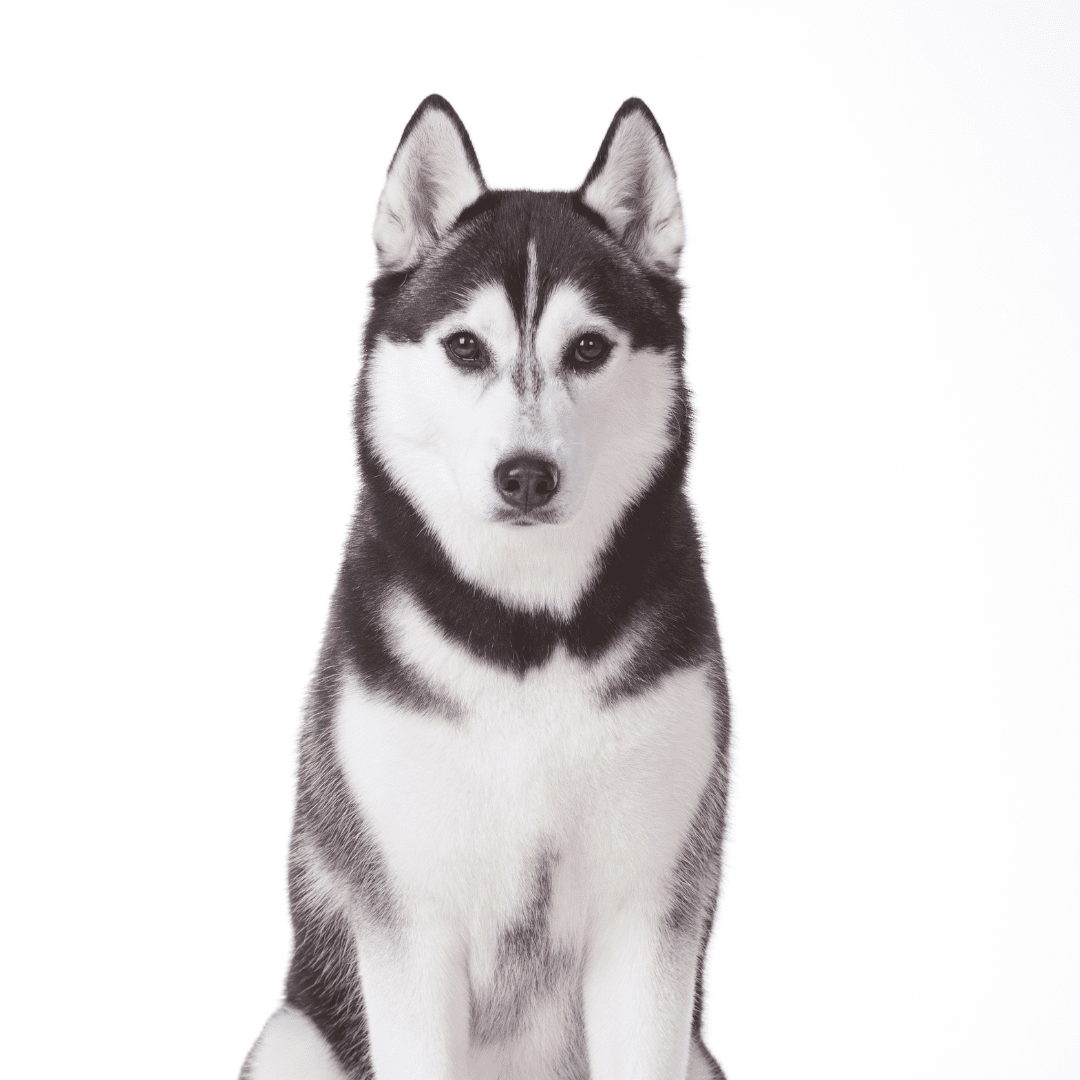

The Siberian Husky is a breed of dog that originated in Siberia, Russia. These dogs were originally bred to pull sleds over long distances in harsh weather conditions, and they are still commonly used for this purpose in dog sled races today.
Siberian Huskies are known for their thick, double coats that help keep them warm in cold climates. They typically have a white or gray coat with distinctive markings, such as a “mask” on their face or a darker stripe down their back.
These dogs are known for their friendly and outgoing personalities, and they are often described as being good with children. However, they do have a strong prey drive and may not get along well with smaller animals.
Siberian Huskies are highly active and require a lot of exercise and mental stimulation to stay healthy and happy. They are intelligent and can be trained, but they also have a stubborn streak and may require consistent, firm training.
Siberian Huskies make great pets for active families who are willing to put in the time and effort to provide them with the exercise and training they need.
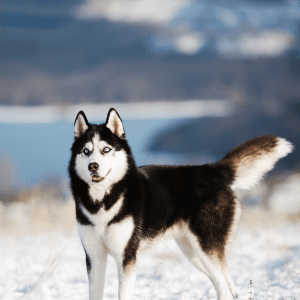
Siberian Husky Size
Siberian Huskies are medium-sized dogs, with males typically being larger than females. On average, male Siberian Huskies stand between 21 and 24 inches tall at the shoulder and weigh between 45 and 60 pounds. Females, on the other hand, stand between 20 and 22 inches tall and weigh between 35 and 50 pounds.
However, it’s important to note that individual dogs may vary in size depending on a variety of factors, such as genetics, nutrition, and exercise. It’s also worth mentioning that Siberian Huskies have a thick coat that can make them appear larger than they actually are.
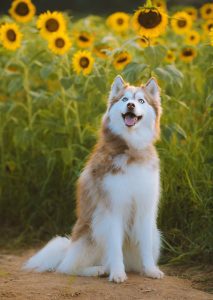
Siberian Husky Temperament
Siberian Huskies are known for their friendly, outgoing, and loyal temperament. They are highly sociable and enjoy being around people and other animals.
They were originally bred as working dogs and have a strong work ethic, high energy levels, and a desire to pull sleds. This means that they need plenty of exercise and mental stimulation to keep them happy and healthy.
Siberian Huskies are also known for their independent streak and can be stubborn at times. They are highly intelligent and can be trained, but they may require a patient and persistent approach.
The Siberian Husky temperament is best suited for active families who are willing to provide plenty of exercise, training, and attention to their furry friend.
Siberian Husky Lifespan
The average lifespan of a Siberian Husky is between 12 and 14 years, though individual dogs may live longer or shorter lives depending on various factors such as genetics, diet, exercise, and healthcare.
To ensure that your Siberian Husky lives a long and healthy life, it’s important to provide them with a balanced diet, regular exercise, and routine veterinary care. Regular check-ups with a veterinarian can help catch potential health problems early, allowing for prompt treatment and better outcomes. Additionally, keeping your dog mentally stimulated through training and play can help promote their overall well-being and happiness.
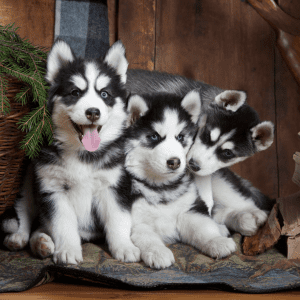
Here are some additional facts about the Siberian Husky:
History
Siberian Huskies were originally bred by the Chukchi people in Siberia for use as sled dogs. These dogs were highly valued for their endurance, speed, and ability to work in harsh conditions.
In 1925, a team of Siberian Huskies played a crucial role in a lifesaving mission known as the “Great Race of Mercy.” The dogs were used to transport diphtheria antitoxin to the isolated town of Nome, Alaska, which was experiencing a deadly outbreak of the disease. The journey, which covered over 600 miles in blizzard conditions, inspired the annual Iditarod Trail Sled Dog Race.
Siberian Husky Behavior
Siberian Huskies have a strong sense of pack mentality and thrive in the company of other dogs. They are known for their howling and vocalizations, which they use to communicate with each other.
Siberian Huskies are not generally recommended for first-time dog owners, as they require a lot of exercise, training, and socialization. They are also known for their love of running and may try to escape or run away if not properly contained.
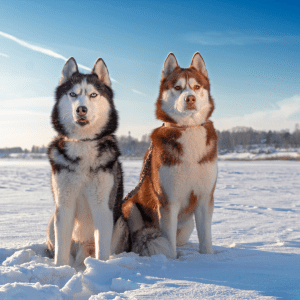
Health & Grooming
Because of their thick coats, Siberian Huskies shed heavily twice a year, a process known as “blowing their coat.” Regular brushing can help control shedding, but it’s important to be prepared for the amount of hair these dogs can produce.
Like all dogs, Siberian Huskies can be prone to certain health issues, such as hip dysplasia, eye problems, and skin conditions. Regular vet check-ups and preventative care can help keep them healthy.
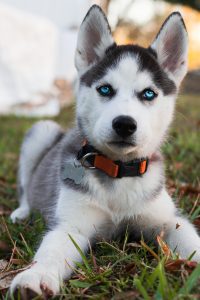
Siberian Husky Eye Color
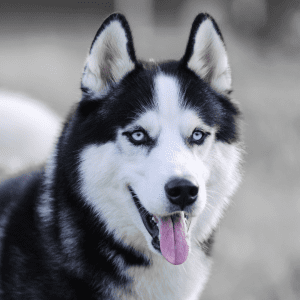
Siberian Huskies are known for their striking and unique eye colors. They can have blue eyes, brown eyes, or a combination of both. In some cases, a Siberian Husky can even have one blue eye and one brown eye, which is known as heterochromia.
It’s important to note that eye color in Siberian Huskies is determined by genetics and can be influenced by a variety of factors such as age, health, and environmental conditions. Some Huskies may have blue eyes as puppies but their eye color may change as they grow older. Additionally, not all Huskies with blue eyes are deaf, as there is no direct correlation between eye color and deafness in this breed.
Breed Confusion
Alaskan Malamute vs Siberian Husky
The Alaskan Malamute and the Siberian Husky are both working dogs that share many similarities, but there are also some notable differences between the two breeds.
Here are some key similarities and differences between the Alaskan Malamute and the Siberian Husky:
Similarities:
- Both breeds were originally developed as working dogs for sledding and other tasks in cold climates.
- They are both highly active and require plenty of exercise and mental stimulation.
- Both breeds have thick, double coats that provide insulation from the cold.
- They are both social and generally get along well with people and other dogs.
- Both breeds have a tendency to be independent-minded and can be challenging to train.
Differences:
- Size: Alaskan Malamutes are larger and heavier than Siberian Huskies, with males weighing between 85 and 100 pounds (38-45 kg) and females weighing between 75 and 90 pounds (34-41 kg) on average, while male Siberian Huskies weigh between 45 and 60 pounds (20-27 kg) and females weigh between 35 and 50 pounds (16-23 kg) on average.
- Coat: While both breeds have thick, double coats, the Alaskan Malamute’s coat tends to be longer and coarser than the Siberian Husky’s. Malamutes also shed more heavily and require more frequent grooming.
- Temperament: Alaskan Malamutes are known for being more independent and strong-willed than Siberian Huskies, and may require more consistent training and socialization. Siberian Huskies are generally more outgoing and friendly towards strangers than Malamutes.
- Energy: While both breeds are active, Siberian Huskies are generally more energetic and require more exercise than Alaskan Malamutes.
Both breeds can make great pets for active families who are willing to provide plenty of exercise, training, and attention. However, their differences in size, coat, temperament, and energy level may make one breed a better fit for certain households over the other.
FUN FACTS
Here are some fun facts about the Siberian Husky:
- Siberian Huskies have a natural ability to “smile.” This is due to the shape of their eyes and the way their facial muscles work. Many people find it endearing and often mistake it for a sign of happiness.
- Huskies have a strong prey drive and will sometimes chase small animals, but they are also known for their love of cuddling and affection. They are a great example of how a dog can have both a fierce and gentle side.
- In addition to being sled dogs, Siberian Huskies have been used for a variety of tasks, including search and rescue, therapy work, and even as guard dogs.
- Despite their love of running and pulling, Siberian Huskies can also be couch potatoes. They enjoy lounging around with their owners and can be quite content just relaxing at home.
- Siberian Huskies are known for their mischievous nature and love of digging. They may dig holes in the yard or even try to escape under fences, so it’s important to keep an eye on them when they are outside.
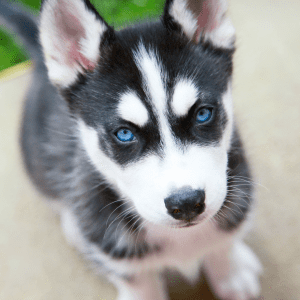
- The Siberian Husky is one of the few breeds of dog that has blue eyes. Some Huskies even have different colored eyes, a condition known as heterochromia.
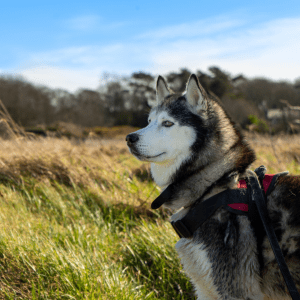
- Siberian Huskies are so well adapted to cold weather that they can sleep outside in temperatures as low as -60 degrees Fahrenheit without any problems. However, they can also overheat easily in warmer climates and should be kept in air-conditioned environments during hot weather.
- Siberian Huskies have a unique gait when they run, called the “double suspension gallop.” This means that at certain points during their stride, all four of their feet are off the ground.
- Huskies have a natural instinct to pull, which can sometimes lead to them pulling their owners on walks. It’s important to train them to walk calmly on a leash to prevent any accidents or injuries.
READY TO ADD A SIBERIAN HUSKY TO YOUR HOME OR FAMILY?
Here are some factors to consider before getting a Siberian Husky:
Exercise: Siberian Huskies are very active dogs and need plenty of exercise to stay healthy and happy. Aim for at least 30-60 minutes of vigorous exercise each day, such as running, hiking, or playing fetch.
Grooming: Huskies have a thick double coat that requires regular brushing to keep it healthy and free of mats and tangles. During shedding season, you may need to brush your Husky daily to keep up with the amount of shedding. Regular nail trimming, teeth brushing, and ear cleaning are also important for maintaining good hygiene.
Diet: A high-quality diet that meets your Husky’s nutritional needs is important for their overall health. Avoid overfeeding, as Huskies are prone to weight gain, which can lead to health problems.
Training: Siberian Huskies are intelligent dogs, but they can be independent and stubborn. Consistent and positive training from a young age can help them learn good manners and basic commands.
Socialization: Huskies are pack animals and thrive in the company of other dogs. Proper socialization from a young age can help them develop good social skills and prevent behavioral issues.
Health care: Regular vet check-ups, preventative care, and timely treatment of any health issues are essential for keeping your Husky healthy. Be sure to keep up with their vaccinations, flea and tick prevention, and heartworm prevention.
Environment: Huskies are adaptable to a range of environments, but they do best in cooler climates. During hot weather, make sure they have access to shade and water to prevent overheating. Also, provide a secure and safe environment to prevent any escape attempts, as Huskies have a strong urge to run and explore.
Remember, caring for a Siberian Husky requires a commitment of time, effort, and resources. If you’re not able to provide the care they need, consider adopting a different breed or waiting until you have the time and resources to provide for a Husky’s needs.
Grab your FREE New Puppy Success Guide to help select, prepare for, and train your new puppy!! 

If you’re looking to purchase a Siberian Husky puppy in the United States, there are several options to consider. Here are a few:
- Reputable breeders: One of the best ways to find a healthy and well-socialized Siberian Husky puppy is to work with a reputable breeder. You can search for breeders in your area through the American Kennel Club’s (AKC) website or through the Siberian Husky Club of America.
- Rescue organizations: If you’re open to adopting a Siberian Husky puppy or adult dog, there are many rescue organizations throughout the country that specialize in the breed. Some organizations include Husky House, Inc., Midwest Siberian Husky Rescue, and Southern Siberian Rescue.
- Pet stores: While some pet stores may sell Siberian Husky puppies, it’s important to do your research to ensure that the store is reputable and that the puppies come from ethical breeders.
- Online marketplaces: There are several online marketplaces where breeders and individuals may advertise Siberian Husky puppies for sale, such as Petfinder.com, AKC Marketplace, and puppies.com. However, it’s important to be cautious when purchasing a puppy online and to thoroughly research the seller before making a purchase.
DON’T FORGET TO CHECK OUT OUR SIBERIAN HUSKY 101 VIDEO ON YOUTUBE!!

Siberian Husky Puppy Prices
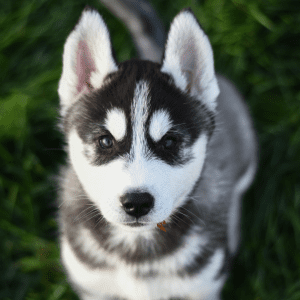
The average price for a Siberian Husky puppy from a reputable breeder in the United States ranged from $800 to $1,500. However, prices can vary significantly depending on various factors, including the breeder’s reputation, the dog’s lineage and pedigree, geographic location, and the demand for the breed.
Regardless of where you choose to purchase your Siberian Husky puppy, it’s important to do your due diligence and ensure that you’re working with a reputable seller who prioritizes the health and well-being of their dogs.
Keep in mind that the purchase of any dog is a big decision and responsibility, and it is important to choose a breed that fits your lifestyle and preferences.
SUMMARY
Siberian Husky Height: 21-24 inches
Siberian Husky Weight: 45- 60 lbs.
Siberian Husky Colors: Black and white, Red and white, Gray and white, Sable and white, Agouti and white, Piebald
Siberian Husky Temperament: Loyal, Friendly, Energetic, Independent, Intelligent
Siberian Husky Life Expectancy: 12-14 years.
Overall, the Siberian Husky can make a wonderful companion for those who are active and able to provide them with the exercise and training they need to thrive.
Want some more ways to spread the Siberian Husky love?
Follow these hashtags on social media: #SiberianHusky #HuskyLove #HuskyNation #HuskyPride #HuskyLife #HuskiesOfInstagram #DogsofInstagram #PetsofInstagram #HuskyCommunity #HuskyLovers #CuteHusky #AdorableHusky #HuskyGram #HuskyObsessed #HuskyMom #HuskySquad #HuskyGang #HuskyLifeIsTheBestLife #HuskyLoveForever #FurBaby #DogLover #PuppyLove #HuskyBeauty #HuskyFeatures #InstaHusky #HuskyTales #HuskyFamily #HuskyCuteness #HuskyFamous #HuskyNationUnite
Print this FREE Siberian Husky Coloring Page!
Connect with us on social media to see more about the Siberian Husky!