



The Alaskan Malamute is a large and powerful breed of dog that was originally bred for hauling freight and pulling sleds in Alaska.
Here is some more detailed information about the Alaskan Malamute:
Appearance
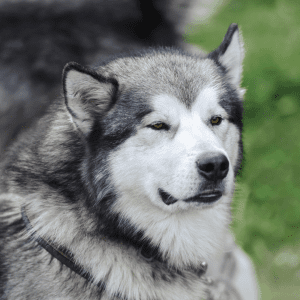
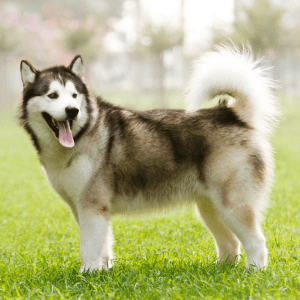
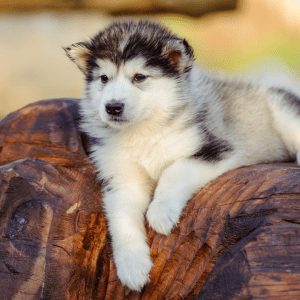
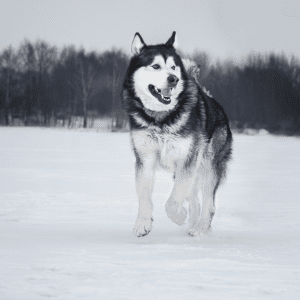
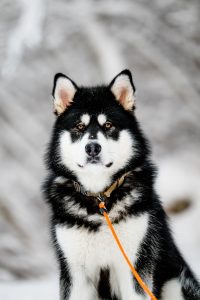
Alaskan Malamutes are a large and muscular breed with a thick, double coat that can be a range of colors, including gray, black, sable, and red. They have a broad head, erect ears, and a plumed tail that curls over their back. They are often mistaken for Siberian Huskies, but they are larger and more heavily built.
Temperament
Alaskan Malamutes are known for their friendly and affectionate personalities. They are loyal and devoted to their families but can be independent and stubborn. They are good with children but can be wary of strangers and other animals. Proper socialization and training are important for helping them develop good manners and confidence around new people and situations.
Training
Alaskan Malamutes are intelligent but can be stubborn and independent. Training should begin early and be consistent, firm, and positive. They require a confident and experienced handler who can provide clear boundaries and consistent rules. Positive reinforcement techniques, such as treats and praise, work well for training Malamutes.
Health
Alaskan Malamutes are generally a healthy breed but are prone to certain health issues, such as hip dysplasia, eye problems, and gastric torsion (bloat). Regular veterinary check-ups and preventive care can help catch and treat any health issues early.
Lifespan
The average lifespan of an Alaskan Malamute is around 10-12 years.
Grooming
Alaskan Malamutes have a thick, double coat that sheds seasonally. They require regular grooming to keep their coat in good condition, including brushing, bathing, and nail trimming.
Exercise
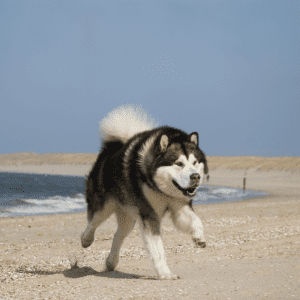
Alaskan Malamutes are active dogs that require daily exercise and mental stimulation. They enjoy activities like hiking, jogging, and pulling sleds or carts. They are not well-suited to apartment living and require a large, fenced yard to run and play.
History
The Alaskan Malamute is one of the oldest Arctic sled dog breeds and is believed to have been developed by the Mahlemut tribe of Alaska. They were used as sled dogs for transportation and hauling heavy loads, as well as for hunting and protection. The breed was recognized by the American Kennel Club (AKC) in 1935.
Alaskan Malamutes are a friendly and affectionate breed that make great companions for active families who are willing to invest time and effort into their training and care.
here are some additional information about the Alaskan Malamute breed:
Breed Confusion
Alaskan Malamute vs. Siberian Husky
Alaskan Malamutes and Siberian Huskies are both Northern breeds known for their striking appearance and endurance in cold climates, but they have distinct differences in terms of size, temperament, and purpose. Here’s a comparison and contrast between the two breeds:
Size
- Alaskan Malamute: Malamutes are large and powerful dogs, typically weighing between 75 to 100 pounds or more for males and slightly less for females. They stand around 23 to 25 inches at the shoulder.
- Siberian Husky: Huskies are medium-sized dogs, weighing between 35 to 60 pounds (16 to 27 kg) for males and slightly less for females. They have a height range of 20 to 23.5 inches (51 to 60 cm) at the shoulder.
Coat
- Alaskan Malamute: Malamutes have a dense, double coat that provides insulation in cold climates. Their coat is typically longer and coarser than that of Huskies. Common coat colors include various shades of gray, black, sable, and red.
- Siberian Husky: Huskies also have a double coat, but it’s typically shorter and softer than that of Malamutes. They come in a variety of coat colors, including black, gray, red, and agouti, often with striking facial masks and markings.
Temperament
- Alaskan Malamute: Malamutes are known for their gentle and friendly nature. They are loyal and affectionate toward their families but can be reserved with strangers. They have a calm demeanor and are often described as “gentle giants.” They may have a strong prey drive and are known to be independent thinkers.
- Siberian Husky: Huskies are known for their outgoing and mischievous personalities. They are friendly and social, often getting along well with people and other dogs. They have a strong pack mentality and can be more sociable with strangers than Malamutes. Huskies are known for their high energy levels and can be independent and stubborn.
Purpose
- Alaskan Malamute: Malamutes were originally bred by the native Inuit people for heavy hauling and as sled dogs. They are strong and built for endurance, capable of pulling heavy loads in harsh Arctic conditions. They are less suited for speed and long-distance running compared to Huskies.
- Siberian Husky: Huskies were bred by the Chukchi people of Siberia for pulling lighter loads at moderate speeds over long distances. They are known for their incredible endurance and ability to work as a team. Huskies excel in sled racing and are more agile than Malamutes.
Exercise Needs
- Alaskan Malamute: Malamutes have moderate exercise needs and enjoy activities like hiking and pulling carts or sleds. They appreciate regular outdoor time but are not as hyperactive as Huskies.
- Siberian Husky: Huskies have high exercise needs and thrive on daily runs and vigorous play. They require ample mental and physical stimulation to prevent boredom and destructive behavior.
Both breeds can make wonderful companions, but their suitability depends on your lifestyle, energy level, and preferences in terms of size and temperament.
FUN FACTS
Here are some fun and little-known facts about Alaskan Malamutes:
- Alaskan Malamutes are one of the oldest dog breeds in the world, with a history that dates back over 4,000 years.
- They were originally bred by the Mahlemut Inuit tribe in Alaska to be pack animals that could pull heavy sleds over long distances.
- Alaskan Malamutes have been known to participate in dog sled races, including the famous Iditarod race in Alaska.
- They were also used during World War II by the United States Army for search and rescue missions and as pack animals.
- Alaskan Malamutes have a thick, double coat that helps keep them warm in cold temperatures. This coat sheds twice a year, and during shedding season, they can produce enough fur to make an entire new dog!
- Despite their large size and impressive strength, Alaskan Malamutes are known for their gentle and affectionate personalities. They are often described as “gentle giants.”
- Alaskan Malamutes have a strong prey drive and should be supervised around small animals like cats and rabbits.
- They are often mistaken for Siberian Huskies, but they are actually a separate breed with distinct physical and personality traits.
- Alaskan Malamutes have been known to participate in other activities besides dog sledding, such as carting, skijoring, and weight pulling.
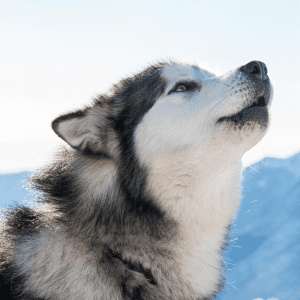
- They are also known for their distinctive howl, which can be heard from a distance, and is often described as being more like a wolf than a dog.
READY TO ADD AN ALASKAN MALAMUTE TO YOUR HOME OR FAMILY?
The Alaskan Malamute makes a devoted and affectionate pet for families who appreciate their gentle giants and have an active lifestyle to accommodate their exercise needs. While they are known for their loyalty and affection toward their owners, they require early socialization, consistent training, and a lot of space due to their large size and strength.
Before getting an Alaskan Malamute, however, several important factors should be considered:
Size and Strength: Malamutes are large and powerful dogs, so ensure you have enough space to accommodate their size and strength, both indoors and outdoors.
Exercise Needs: Malamutes have high exercise requirements and need daily, vigorous exercise. Be prepared for long walks, hikes, and activities to keep them mentally and physically stimulated.
Cold Weather Tolerance: These dogs are bred for cold climates, so consider if they are suitable for your climate, especially if you live in a hot or temperate area.
Grooming: Malamutes have a thick double coat that sheds seasonally and requires regular brushing to minimize shedding and matting.
Socialization: Early socialization is crucial to ensure they are well-adjusted and friendly with people and other animals.
Training Commitment: Malamutes can be independent thinkers, so consistent training from an early age is essential. Positive reinforcement methods work best.
Independence: They have a degree of independence and may not always follow commands, so patience and consistency are key.
Prey Drive: Malamutes may have a strong prey drive, so they may not be suitable for households with small pets.
Healthcare: Budget for routine veterinary care, including preventive measures for breed-specific health issues like hip and elbow dysplasia and bloat.
Lifespan: Malamutes have a lifespan of around 10 to 14 years, so be prepared for a long-term commitment.
Ownership Costs: Consider the expenses associated with owning a large dog, including food, grooming, veterinary care, and training.
Activity Level: Ensure that your lifestyle can accommodate their high activity level and exercise needs.
Ownership Experience: Malamutes may not be suitable for first-time dog owners due to their size, strength, and training requirements.
Rescue vs. Breeder: Consider adopting an Alaskan Malamute from a rescue organization if possible. Rescue dogs can make wonderful pets and offer a loving home to a dog in need.
Always thoroughly research the breed and consult with reputable breeders or rescue organizations to ensure that an Alaskan Malamute is the right fit for your family and lifestyle.
Grab your FREE New Puppy Success Guide to help select, prepare for, and train your new puppy!! 

If you are interested in purchasing an Alaskan Malamute, here in the USA, there are a few options available to you:
- Alaskan Malamute Club of America (AMCA): Visit the official website of the Alaskan Malamute Club of America, which often has a breeder directory or can provide breeder recommendations. The AMCA promotes responsible breeding practices and ethical standards.
- American Kennel Club (AKC): Use the AKC’s breeder directory to find AKC-registered Alaskan Malamute breeders in your area. Breeders registered with the AKC are more likely to adhere to breed standards and ethical practices.
- Online Search: Use online search engines to find Alaskan Malamute breeders. Be cautious when dealing with breeders you find online, and do thorough research.
DON’T FORGET TO CHECK OUT OUR ALASKAN MALAMUTE 101 VIDEO ON YOUTUBE!!
Alaskan Malamute Puppy Prices
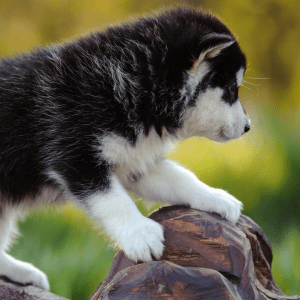
The price of an Alaskan Malamute can vary significantly based on several factors such as breeder reputation, location, pedigree, lineage, and whether the dog is intended for pet, show, or breeding purposes. On average, an Alaskan Malamute from a reputable breeder can cost anywhere between $1,000 to $3,000 or even more. Show-quality or dogs from champion bloodlines can be priced higher.
It’s crucial to consider that the initial cost is just one aspect of owning a dog. There are ongoing expenses like food, grooming, veterinary care, training, and other supplies that should be factored into the overall cost of owning an Alaskan Malamute.
When identifying potential breeders, be sure to ask them questions about their breeding practices, health testing of their dogs, and their commitment to the well-being of their puppies. A responsible breeder will be happy to answer your questions and provide documentation of health clearances for the parents.
Avoid puppy mills or backyard breeders who prioritize profit over the welfare of the dogs. Always visit the breeder’s facility in person if possible and ask to meet the puppy’s parents to get a sense of their living conditions and health. Reputable breeders will provide a contract, health records, and support as you raise your Alaskan Malamute puppy.
Remember to consult with your veterinarian for specific product recommendations and advice tailored to your Alaskan Malamute puppy’s individual needs. Additionally, be prepared to adapt your supplies as your puppy grows and their needs change.
Keep in mind that the purchase of any dog is a big decision and responsibility, and it is important to choose a breed that fits your lifestyle and preferences.
SUMMARY
Alaskan Malamute Height: 22-24 inches for females, 24-26 inches for males
Alaskan Malamute Weight: 75-85 bs for females, 85-100 lbs for males
Alaskan Malamute Colors: Gray and White, Black and White, Sable and White, Red and White, Agouti and White, Predominantly White
Alaskan Malamute Temperament: Confident, Strong-willed, Loyal, Affectionate, Independent
Alaskan Malamute Life Expectancy: 10-14 years.
Overall, the Alaskan Malamute is a loyal and affectionate companion, known for its strength, confidence, and unwavering devotion to its family.
Want some more ways to spread the Alaskan Malamute love?
Follow these hashtags on social media: #alaskanmalamute #malamute #malamutelove #malamutepuppy #malamutelife #malamutesofinstagram #malamuteworld #malamuteaddict #malamutelovers #malamuteclub #alaskanmalamutelove #alaskanmalamutepuppy #alaskanmalamutesofinstagram #alaskanmalamuteworld #alaskanmalamuteaddict #alaskanmalamutelovers #alaskanmalamuteclub
Print this FREE Alaskan Malamute Coloring Page!
Connect with us on social media to see more about the Alaskan Malamute!