

The Miniature Schnauzer is a small breed of dog that originated in Germany in the 19th century. They were originally bred as a ratting dog, but they have since become popular as a family pet due to their friendly nature and intelligence.
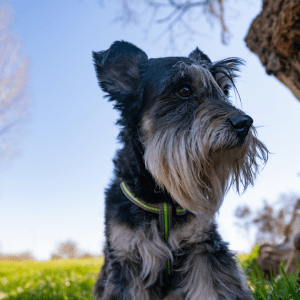
Miniature Schnauzers are known for their distinctive appearance, with their square-shaped head, thick eyebrows and beard, and long, pointed ears. They come in a variety of colors, including salt and pepper, black, and black and silver.
In terms of personality, Miniature Schnauzers are known for being loyal and affectionate towards their owners. They are also very intelligent and can be trained to perform a wide range of tricks and tasks. They are typically good with children and other pets, but they can be wary of strangers and may bark to alert their owners to potential danger.
Miniature Schnauzers require regular grooming to keep their coat looking its best. They are also an active breed and require regular exercise to keep them happy and healthy. Overall, they make great companions for those who are willing to put in the time and effort to care for them properly.
Appearance
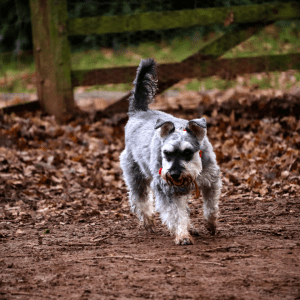
Miniature Schnauzers are a small breed, typically weighing between 11-20 pounds and standing 12-14 inches tall at the shoulder. They have a sturdy, square-shaped build with a thick double coat that is wiry and hypoallergenic. They come in three recognized colors: salt and pepper, black, and black and silver.
Temperament
Miniature Schnauzers are known for being intelligent, alert, and loyal. They are also very social dogs and thrive on attention from their owners. They are generally good with children and other pets, but they may be wary of strangers and tend to bark to alert their owners to potential danger.
Training
Miniature Schnauzers are highly trainable and respond well to positive reinforcement techniques such as praise, treats, and playtime. They excel in obedience training, and some have even been trained for agility, tracking, and other dog sports.
Exercise
While Miniature Schnauzers are small, they are also an active breed and require regular exercise to stay healthy and happy. Daily walks or playtime in a securely fenced yard are important for meeting their exercise needs.
Grooming
Miniature Schnauzers require regular grooming to keep their wiry coat looking its best. This includes brushing and combing to prevent matting, as well as regular trimming of the hair around their eyes, ears, and feet. They also require regular bathing and nail trimming.
Health
Miniature Schnauzers are generally a healthy breed, but like all dogs, they are prone to certain health issues such as hip dysplasia, eye problems, and skin allergies. Regular veterinary care, a balanced diet, and plenty of exercise can help keep them healthy and prevent many health issues.
Breed Confusion
Miniature Schnauzer vs. Scottish Terrier
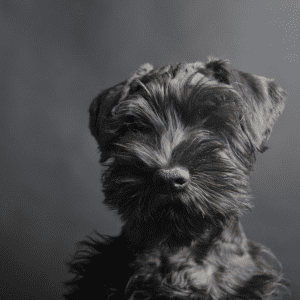
Miniature Schnauzers and Scottish Terriers are often confused due to their similar size, wiry coats, and facial hair, including beards and bushy eyebrows, which can give them a resemblance at first glance. Additionally, their shared terrier heritage and overlapping color options, such as black and salt-and-pepper, contribute to the confusion between these two breeds.
Here’s how they measure up:
Physical Appearance:
- Miniature Schnauzer: Miniature Schnauzers are small-sized dogs with a sturdy and square-shaped build. They have a distinct beard and bushy eyebrows, and their coat is wiry and dense. Miniature Schnauzers come in various colors, including salt and pepper, black, or black and silver.
- Scottish Terrier: Scottish Terriers, commonly known as “Scotties,” are also small-sized dogs with a robust and compact build. They have a distinctive bearded face, dark eyes, and erect ears. Scotties have a wiry and dense double coat that comes in colors such as black, brindle, or wheaten.
Temperament:
- Miniature Schnauzer: Miniature Schnauzers are known for their friendly and outgoing nature. They are intelligent, lively, and often described as spirited. They are generally good-natured and get along well with families and other pets, although they can be a bit independent at times.
- Scottish Terrier: Scottish Terriers have a more reserved and independent temperament compared to Miniature Schnauzers. They are often described as dignified, alert, and self-assured. Scotties can be a bit more aloof with strangers but are generally loyal and affectionate with their family members.
Exercise and Energy Level:
Miniature Schnauzer: Miniature Schnauzers have a moderate energy level. They require daily exercise in the form of walks, playtime, and mental stimulation. They enjoy activities and are generally up for adventures.
Scottish Terrier: Scottish Terriers have a moderate energy level as well. They require daily exercise to keep them mentally and physically stimulated. While they enjoy walks and playtime, they can have a slightly more independent streak and may not be as enthusiastic about certain activities as Miniature Schnauzers.
Grooming Needs:
Miniature Schnauzer: Miniature Schnauzers have a double coat that requires regular grooming. Their wiry outer coat needs to be hand-stripped or trimmed every few months to maintain its texture. Regular brushing is necessary to prevent matting, and occasional grooming of the beard and eyebrows is needed.
Scottish Terrier: Scottish Terriers also have a double coat that requires regular grooming. Their wiry outer coat needs to be hand-stripped or trimmed to maintain its texture. Regular brushing is necessary to prevent matting, and occasional grooming of the beard and leg furnishings is required.
Health Considerations:
- Both Miniature Schnauzers and Scottish Terriers can be prone to certain health issues such as genetic eye disorders, skin problems, and potential risk for certain cancers. Regular veterinary check-ups and proper care are essential to maintain their overall health.
In summary, while Miniature Schnauzers and Scottish Terriers share some physical and temperament characteristics, they also have distinct differences. Miniature Schnauzers are generally more outgoing and friendly, while Scottish Terriers have a more reserved and independent nature. The grooming needs for both breeds are similar, requiring regular maintenance of their wiry coats. Understanding these differences can help individuals choose the breed that best aligns with their preferences and lifestyle.

FUN FACTS
Here are some fun facts about Miniature Schnauzers:
- The Miniature Schnauzer is the smallest of the three Schnauzer breeds, with the Standard Schnauzer and Giant Schnauzer being the larger breeds.
- Miniature Schnauzers were originally bred in Germany in the 19th century as farm dogs and rat catchers.
- The breed gets its name from the German word “Schnauze,” which means “snout” or “muzzle.”
- The Miniature Schnauzer is the only breed that has its own Schnauzer-specific genetic disease, called Schnauzer comedo syndrome, which causes blackheads and other skin issues.
- They were recognized by the American Kennel Club (AKC) in 1926.
- They were also used as messenger dogs during World War I and II, due to their intelligence and trainability.
- Miniature Schnauzers are known for their distinctive “beard” and “eyebrows,” which give them a wise and dignified appearance.
- They have a strong prey drive and love to chase small animals, which is why they were originally used as ratting dogs.
- Miniature Schnauzers are very vocal dogs and tend to bark a lot, which can be a problem for apartment dwellers or those with close neighbors.
- Despite their small size, Miniature Schnauzers are brave and make excellent watchdogs, often alerting their owners to potential danger.
READY TO ADD A MINIATURE SCHNAUZER TO YOUR HOME OR FAMILY?
Miniature Schnauzers make fantastic pets due to their loyal and affectionate nature, forming strong bonds with their owners and becoming devoted family companions. They are intelligent and trainable, with a playful and lively personality that brings joy and entertainment to their households.
But, before getting a Miniature Schnauzer, here are some important factors to consider:
- Exercise and activity: Miniature Schnauzers are energetic dogs that require regular exercise to keep them physically and mentally stimulated. They enjoy walks, playtime, and interactive activities. Prospective owners should be prepared to provide daily exercise to meet their needs.
- Grooming needs: Miniature Schnauzers have a double coat that requires regular grooming. Their wiry outer coat needs to be hand-stripped or trimmed every few months to maintain its texture. Regular brushing and grooming of the beard, eyebrows, and leg furnishings are necessary. Prospective owners should be willing to invest time and effort in grooming or consider professional grooming services.
- Training and socialization: Like all dogs, Miniature Schnauzers benefit from early training and socialization. They are intelligent and eager to please, making them generally responsive to training. Consistent positive reinforcement methods should be used to shape their behavior and ensure they become well-behaved and well-socialized companions.
- Health considerations: Miniature Schnauzers may be prone to certain health issues, such as genetic eye disorders, skin problems, and potential risk for certain cancers. Prospective owners should be aware of these potential health risks and be prepared for regular veterinary check-ups and potential medical expenses.
- Time and attention: Miniature Schnauzers are social dogs that thrive on human companionship. They do not do well when left alone for long periods and may develop separation anxiety. Prospective owners should be prepared to dedicate time and attention to their Miniature Schnauzer, ensuring they are not left alone for extended periods.
- Financial commitment: Owning a Miniature Schnauzer involves financial responsibilities, including regular veterinary care, vaccinations, grooming, quality food, and potential medical expenses. Prospective owners should be prepared for these costs and ensure they can provide the necessary care throughout the dog’s life.
- Compatibility with household and family: Miniature Schnauzers are generally good family dogs, but it’s important to assess their compatibility with young children or other pets in the household. Early socialization and proper introductions are necessary to ensure a harmonious coexistence.
It’s crucial to thoroughly research and understand the breed’s characteristics, needs, and potential challenges to ensure that a Miniature Schnauzer is the right fit for your lifestyle, commitment level, and ability to provide proper care and attention.
Grab your FREE New Puppy Success Guide to help select, prepare for, and train your new puppy!! 

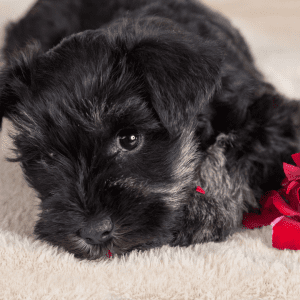
If you’re looking to purchase a Miniature Schnauzer puppy in the USA, there are a few options to consider:
- Reputable breeders: Look for reputable breeders who specialize in Miniature Schnauzers. A good breeder will prioritize the health and well-being of their dogs, conduct health testing on the parents, and provide a clean and caring environment for their puppies. You can search for reputable breeders through national and regional breed clubs, online directories, or by attending dog shows.
- Rescue organizations and shelters: Consider adopting a Miniature Schnauzer from a rescue organization or shelter. Many rescue groups focus on finding homes for specific breeds, including Miniature Schnauzers.
- Online platforms and websites: There are online platforms and websites where breeders advertise available puppies. However, it’s crucial to exercise caution and thoroughly research any breeder you find online. Ensure they have a good reputation, positive reviews, and are transparent about their breeding practices. Request to see health clearances for the parents and ask questions to ensure the puppies are being bred responsibly.
DON’T FORGET TO CHECK OUT OUR MINIATURE SCHNAUZER 101 VIDEO ON YOUTUBE!!
Miniature Schnauzer puppy prices
The average price for a Miniature Schnauzer puppy in the United States ranges from $500 to $2,000. The price can vary depending on factors such as the dog’s lineage, breeder reputation, geographical location, and the dog’s overall health and quality.
Keep in mind that prices may have changed since my last update, so it’s essential to research current prices by contacting reputable breeders or checking online listings to get the most accurate and up-to-date information. Additionally, consider adopting a Miniature Schnauzer from a rescue or shelter, as this can be a more cost-effective and humane option.
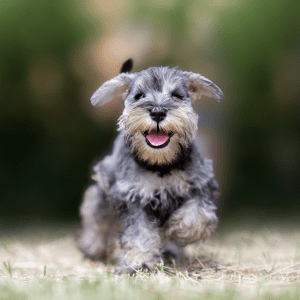
Keep in mind that the purchase of any dog is a big decision and responsibility, and it is important to choose a breed that fits your lifestyle and preferences.
SUMMARY
Miniature Schnauzer Height: 12-14 inches
Miniature Schnauzer Weight: 11-20 lbs.
Miniature Schnauzer Colors: Black, Salt and Pepper, Black and Silver
Miniature Schnauzer Temperament: Alert, Intelligent, Spirited, Lively, Affectionate
Miniature Schnauzer Life Expectancy: 12-15 years.
Overall, Miniature Schnauzers are wonderful companions, known for their loyal and loving nature, making them great additions to families or individuals seeking a devoted and affectionate furry friend.
Want some more ways to spread the Miniature Schnauzer love?
Follow these hashtags on social media:#MiniatureSchnauzer #Schnauzer #Schnauzerlove #Schnauzersofinstagram #MiniSchnauzer #Schnauzerpuppy #Schnauzerworld #Schnauzerlife #Schnauzergram #Schnauzerlovers #Schnauzer_feature #Schnauzerdaily #MiniSchnauzersofinstagram #Schnauzerclub
Print this FREE Miniature Schnauzer Coloring Page!
Connect with us on social media to see more about the Miniature Schnauzer!