



The Scottish Terrier, often referred to as the “Scottie,” is a small to medium-sized breed known for its distinctive appearance and spirited personality.
Here are some details about the Scottish Terrier:
Physical Characteristics
- Size: Scotties are compact and sturdy dogs, with an average height of about 10 to 11 inches at the shoulder.
- Weight: They typically weigh between 18 to 22 pounds.
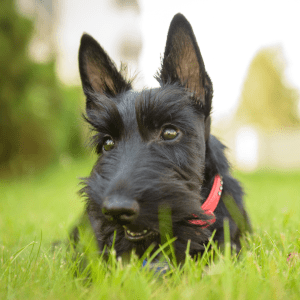
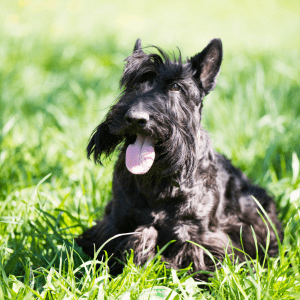
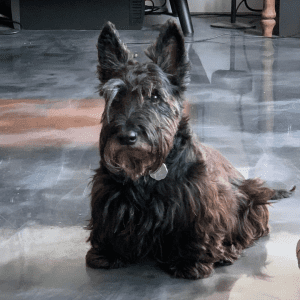
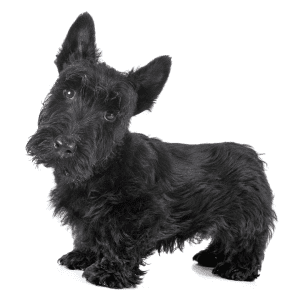
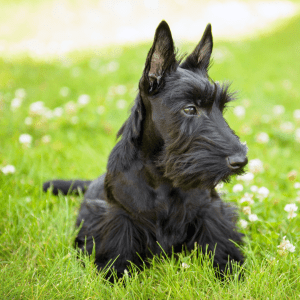
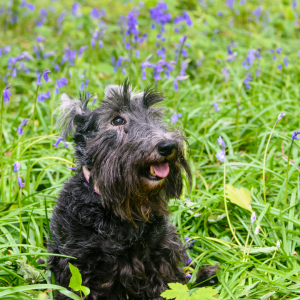
- Coat: Scotties have a wiry, dense, and weather-resistant double coat. The coat color is usually black, but wheaten (a pale, creamy color) and brindle (a mix of dark and light stripes) varieties are also recognized.
- Ears and Tail: They have small, pointed, and erect ears, which add to their distinctive appearance. Their tails are naturally short and straight.
Temperament
- Scotties are known for their confident, dignified, and somewhat aloof temperament.
- They are loyal and often form strong bonds with their families but can be reserved with strangers.
- Scotties are known for their independent streak, which can sometimes translate into stubbornness.
- They have a natural hunting instinct and may chase small animals or toys enthusiastically.
- Despite their size, Scotties have a bold and fearless nature, making them good watchdogs.
Exercise and Activity
- While they are small dogs, Scotties are active and need regular exercise, including daily walks and playtime.
- They have a surprising amount of energy for their size and can engage in various activities if properly motivated.
Grooming
- Scotties require regular grooming to maintain their distinctive coat. This includes brushing to prevent matting and hand-stripping (plucking) the dead hair about twice a year.
- Regular ear cleaning and dental care are also important.
Health
- Scotties are generally healthy dogs, but like many breeds, they can be prone to certain health issues such as von Willebrand’s disease (a bleeding disorder), patellar luxation, and some skin conditions.
- Responsible breeding and regular veterinary care are essential for maintaining their health.
Training
- Training Scotties requires patience and consistency due to their independent nature. Positive reinforcement methods work best.
- Early socialization is crucial to ensure they are well-adjusted around people and other animals.
History
- The Scottish Terrier is one of Scotland’s iconic dog breeds, with a history dating back centuries. They were originally bred for hunting small game, such as rats and foxes, in the rugged Scottish terrain.
- Scottish Terriers are known for their charming and unique personality, making them a beloved companion for those who appreciate their distinctive looks and spirited demeanor.
Breed Confusion
Scottish Terrier vs. Skye Terrier
The Scottish Terrier, also known as the “Scottie”, is occasionally confused with the Skye Terrier. While both breeds originate from Scotland and are terriers, they have different coat types, with Scotties having a dense, wiry coat and Skye Terriers having a long, flowing coat. Additionally, Skye Terriers are usually longer and lower to the ground compared to the more compact Scottish Terrier.
Here’s a comparison and contrast between the Scottish Terrier and the Skye Terrier:
Similarities
- Scottish Origin: Both the Skye Terrier and the Scottish Terrier originate from Scotland and are considered Scottish terrier breeds.
- Terrier Group: Both breeds belong to the Terrier Group in dog classification due to their historical roles as small hunting and vermin-control dogs.
- Temperament: Skye Terriers and Scottish Terriers share some common temperament traits. They are often described as loyal, alert, and spirited. They can also be independent and assertive, typical of many terrier breeds.
- Small Size: Both breeds are small to medium-sized dogs, making them suitable for apartment living and smaller homes.
Differences
- Coat Type: One of the most significant differences between these breeds is their coat type. Skye Terriers have long, flowing coats that require regular grooming, while Scottish Terriers have a dense, wiry, and coarse coat that is lower maintenance.
- Size: Skye Terriers are generally larger than Scottish Terriers. Skye Terriers can reach heights of 9 to 10 inches at the shoulder and weigh around 35 to 45 pounds, while Scottish Terriers are shorter, standing around 10 inches tall and weighing 18 to 22 pounds.
- Appearance: Skye Terriers have a distinctive appearance with a long body, short legs, and a sleek, flat-lying coat. In contrast, Scottish Terriers are more compact and have a distinctive beard, erect ears, and a bushy tail.
- Energy Level: Skye Terriers are known for being relatively laid-back and adaptable, while Scottish Terriers are often described as more energetic and lively.
- Historical Roles: Skye Terriers were originally bred for hunting and vermin control on the Isle of Skye in Scotland, and their long coats provided protection from harsh weather. Scottish Terriers, on the other hand, were bred for hunting foxes and badgers in the Scottish Highlands, and their wiry coat made them well-suited to this task.
- Grooming Needs: Skye Terriers require more grooming and maintenance due to their long coat, including regular brushing, trimming, and attention to matting. Scottish Terriers have a lower-maintenance coat that still requires brushing but less frequent grooming.
- Health Considerations: Each breed may have its own set of health considerations, and potential owners should be aware of breed-specific health issues.
Ultimately, while both the Skye Terrier and the Scottish Terrier share Scottish origins and certain temperament traits, they have distinct differences in terms of appearance, coat type, size, and grooming needs, which can influence their suitability as a pet for different individuals and lifestyles.
FUN FACTS
Here are some fun facts about Scottish Terriers:
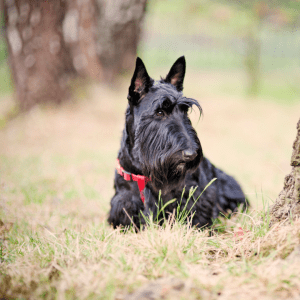
- Scottish Terriers are known for their distinctive “beard,” which is a longer tuft of hair on their chin. The beard was originally used to protect their throat during fights with vermin.
- In the 1940s and 1950s, Scottish Terriers were very popular as a symbol of style and sophistication. They were even featured in advertisements for products like Black & White Scotch whisky.
- Scottish Terriers have a high prey drive, and as a result, they can sometimes be aggressive towards other animals, including other dogs. However, with proper socialization and training, they can learn to get along with other pets.
- Famous people who have owned Scottish Terriers include Queen Victoria, Humphrey Bogart, Jacqueline Kennedy Onassis, and George W. Bush.
- Scottish Terriers are known for being good with children, and are sometimes referred to as “nanny dogs” for their protective and loyal nature.
- The Scottish Terrier is the only breed of dog to have its own statue in Edinburgh, Scotland. The statue, which was erected in 2013, is located near the city’s Princes Street Gardens.
- Scottish Terriers are sometimes referred to as “Scotties” for short, and they are often used as mascots for sports teams, including the Baltimore Orioles and the Michigan State Spartans.
READY TO ADD A SCOTTISH TERRIER TO YOUR HOME OR FAMILY?
The Scottish Terrier, with its dignified yet spirited personality, makes a loyal and affectionate companion for those who appreciate their independent nature. While they can be a bit stubborn at times, their distinctive appearance and endearing character win over the hearts of many dog lovers.
Space: Scottish Terriers are a small breed, making them suitable for apartment living, but they still need space to move around and play.
Exercise Needs: They have moderate exercise needs and enjoy daily walks and playtime. Be prepared to provide them with regular physical activity.
Grooming: Scottish Terriers have a dense, wiry coat that requires regular grooming, including brushing and hand-stripping, to maintain its appearance and prevent matting.
Training: Scotties are intelligent but can be independent and stubborn. Patient and consistent training is necessary to overcome their stubborn streak and ensure good behavior.
Socialization: Early socialization is vital to help them adapt to various people, animals, and situations and reduce their reserved nature with strangers.
Healthcare: Scotties can be prone to certain health issues, including von Willebrand’s disease and patellar luxation. Regular veterinary check-ups and preventive care are essential.
Temperament: Consider whether their confident and independent temperament aligns with your preferences for a companion animal.
Allergies: Some individuals may be allergic to pet dander, which could be a consideration if you or a family member has allergies.
Lifespan: Be prepared for a long-term commitment, as Scotties have a relatively long lifespan of around 12 to 14 years or more.
Compatibility: Assess whether a Scottie is suitable for your household, especially if you have very small children or other pets, as they can be assertive and may not tolerate rough handling.
Pet Insurance: Consider getting pet insurance to help cover potential veterinary expenses, as this can provide peace of mind for potential health issues.
Breeder Selection: If getting a puppy, choose a reputable breeder who conducts health testing and prioritizes the well-being of their dogs. Responsible breeding helps reduce the risk of genetic health problems.
Adoption: Consider adopting a Scottish Terrier from a rescue organization or shelter if you prefer to give a loving home to a dog in need.
Taking these factors into account will help you determine whether a Scottish Terrier is the right fit for your lifestyle and ensure a happy and healthy relationship with your new furry companion.
Grab your FREE New Puppy Success Guide to help select, prepare for, and train your new puppy!! 

If you are interested in purchasing a Scottish Terrier, here in the USA, there are a few options available to you:
- Breeders: Look for reputable Scottish Terrier breeders through national and regional breed clubs, such as the Scottish Terrier Club of America (STCA). These clubs often have breeder directories or can provide you with a list of breeders who adhere to responsible breeding practices.
- Rescue Organizations: Consider adopting a Scottish Terrier from a rescue organization or animal shelter. There are Scottish Terrier rescue groups dedicated to finding homes for Scotties in need.
- Local Shelters and Pet Adoption Websites: While Scotties may not be as common in shelters as some other breeds, it’s worth checking local animal shelters and websites like Petfinder and Adopt-a-Pet. Occasionally, Scottish Terriers or Scottish Terrier mixes become available for adoption through these channels.
- Dog Shows and Events: Attend dog shows, specialty shows, and events featuring Scottish Terriers. You may have the opportunity to meet breeders, owners, and enthusiasts who can provide information on available puppies or upcoming litters.
- Online Resources: Websites like the AKC Marketplace can be useful for finding Scottish Terrier puppies from reputable breeders. However, always exercise caution and thoroughly research any breeder you find online to ensure they adhere to responsible breeding practices.
DON’T FORGET TO CHECK OUT OUR SCOTTISH TERRIER 101 VIDEO ON YOUTUBE!!

Scottish Terrier Puppy Prices
On average, Scottish Terrier puppies from reputable breeders may range anywhere from $800 to $3,000 USD. Show-quality or puppies from champion bloodlines can be at the higher end of this price range or even more expensive. Additionally, prices might fluctuate due to geographical location and other associated costs such as vaccinations, registration papers, and health check-ups.
When searching for a Scottish Terrier, prioritize ethical and responsible breeders or rescue organizations. Ask questions about the health and genetic testing of the parents, the puppy’s upbringing, and any guarantees or contracts associated with the adoption. Ensure that the breeder or organization is committed to the well-being of their dogs and puppies. Additionally, be prepared for the possibility of a waiting list, as this breed may not be widely available.
Remember that your Scottish Terrier puppy’s needs will change as they grow, so regularly assess and update their supplies to accommodate their size and development. Always consult with your veterinarian for personalized recommendations, especially when it comes to diet and healthcare products.
Keep in mind that the purchase of any dog is a big decision and responsibility, and it is important to choose a breed that fits your lifestyle and preferences.
SUMMARY
Scottish Terrier Height: 10-11 inches
Scottish Terrier Weight: 18-22 lbs.
Scottish Terrier Colors: Black, Wheaten
Scottish Terrier Temperament: Confident, Dignified, Feisty, Alert, Independent
Scottish Terrier Life Expectancy: 11-13 years.
Overall, the Scottish Terrier makes a spirited and loyal companion, offering both affection and an independent spirit to those who appreciate their unique personality.
Want some more ways to spread the Scottish Terrier love?
Follow these hashtags on social media:#ScottishTerrier #ScottieLove #ScottieDog #ScottiePuppy #ScottieNation #ScottieCommunity #ScottieLovers #ScottieTraining #ScottieAdventures #ScottiePersonality #ScottieFur #ScottieBestFriend #ScottieLifeStyle #ScottieGoals #ScottieFun #ScottieHappy #ScottieCute #ScottieGram #ScottieLifeMoments #ScottieSoulmate #ScottishTerrierLove #ScottishTerrierClub #ScottishTerrierLife #ScottishTerrierGram #ScottishTerrierWorld #ScottishTerrierMoments #ScottishTerrierDaily #ScottishTerrierPride #ScottishTerrierFun #ScottishTerrierPersonality #ScottishTerrierAdventures #ScottishTerrierTraining #ScottishTerrierSquad #ScottishTerrierMood #ScottishTerrierCommunity #ScottishTerrierPride #ScottishTerrierLifeStyle #ScottishTerrierLove #ScottishTerrierCuteness #ScottishTerrierFamily
Print this FREE Scottish Terrier Coloring Page!
Connect with us on social media to see more about the Scottish Terrier!