



The Boxer is a medium to large-sized dog breed that originated in Germany in the late 19th century. They were originally bred for hunting, as well as serving as guard dogs and military dogs during World War I and II.
Boxers are known for their strong, muscular build and square-shaped head. They typically stand around 21-25 inches tall at the shoulder and weigh between 50-80 pounds. They have short, smooth coats that can be fawn, brindle, or white in color.
Boxers are known for their playful and energetic personalities, and they make great family pets. They are loyal and protective of their families, but also friendly and social with other dogs and people. They require regular exercise and training to prevent boredom and ensure they remain well-behaved.
Boxers are prone to some health issues, including hip dysplasia, heart problems, and cancer. Proper care and regular veterinary check-ups can help prevent or manage these issues.
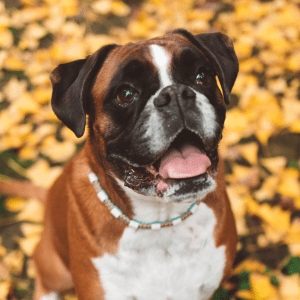
Boxer Dog Temperament
Boxers are known for their distinctive and lovable temperament. Here are some key traits that describe the typical temperament of a Boxer dog:
- Playful: Boxers have a playful and energetic nature. They love to engage in playtime and enjoy interactive games with their family members.
- Friendly: Boxers are generally friendly and social dogs. They tend to be good with children and can get along well with other dogs when properly socialized from a young age.
- Loyal: Boxers are known for their loyalty and devotion to their families. They form strong bonds with their owners and are often protective of them, making them excellent family companions.
- Energetic: Boxers are high-energy dogs that require regular exercise and mental stimulation. They enjoy activities such as walks, runs, play sessions, and interactive toys to channel their energy.
- Intelligent: Boxers are intelligent and eager to please, which makes them trainable. They respond well to positive reinforcement training methods and enjoy learning new tricks and commands.
- Alert: Boxers have a natural alertness and make excellent watchdogs. They are attentive and will often bark to alert their owners of any perceived threats or unusual activity.
- Fun-loving: Boxers have a joyful and fun-loving nature. They have a tendency to be clownish and can entertain their owners with their goofy antics and playful behavior.
It’s important to note that individual temperament can vary among Boxers, and proper socialization, training, and consistent leadership are essential for shaping their behavior. Early socialization and training from a young age can help them grow into well-rounded, balanced, and obedient dogs.
Boxer Dog Lifespan
The average lifespan of a Boxer dog is typically around 10 to 12 years. However, with proper care, nutrition, regular exercise, and regular veterinary check-ups, some Boxers can live beyond the average lifespan and reach their early to mid-teens. It’s important to note that individual Boxers may have variations in their lifespan based on genetics, overall health, and lifestyle factors.
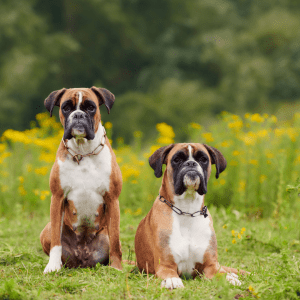
Breed Confusion
Boxer vs. Bullmastiff
Bullmastiffs are sometimes confused with Boxers as they share a similar square-shaped head and muscular build with Boxers. However, Bullmastiffs are larger, heavier dogs with a more serious and reserved temperament.
The Boxer dog and the Bullmastiff are both breeds known for their strength and protective instincts, but they differ in several aspects:
Size: The Bullmastiff is significantly larger than the Boxer. Bullmastiffs typically weigh between 100 to 130 pounds, while Boxers typically weigh between 55 to 70 pounds.
Appearance: Boxers have a more athletic and agile build with a well-defined musculature. They have a square-shaped head, a short coat, and a distinctive underbite. Bullmastiffs, on the other hand, have a heavier and more robust build with a large head, a wrinkled face, and a short coat.
Temperament: Both breeds have protective instincts, but their temperaments differ. Boxers are known for their high energy, playfulness, and exuberance. They are generally friendly, outgoing, and affectionate with their family members. Bullmastiffs, on the other hand, have a calm and laid-back temperament. They are typically more reserved, calm, and independent.
Trainability: Boxers are intelligent and eager to please, making them relatively easy to train. They respond well to positive reinforcement techniques and enjoy mental stimulation. Bullmastiffs are also intelligent but can be more stubborn and independent. They require consistent and firm training with positive reinforcement.
Exercise Needs: Boxers have high energy levels and require regular exercise to prevent boredom and behavioral issues. They benefit from daily walks, play sessions, and interactive games. Bullmastiffs have a more moderate activity level and need regular exercise to maintain a healthy weight. However, they have lower energy levels compared to Boxers.
Protective Instincts: Both breeds have a natural protective instinct towards their family members. However, Bullmastiffs are generally more reserved and calm in their guarding behavior, while Boxers may display a more alert and vocal approach to protection.
Ultimately, the choice between a Boxer and a Bullmastiff depends on individual preferences, lifestyle, and the ability to meet their specific needs. Boxers are suitable for active families who enjoy energetic and playful dogs, while Bullmastiffs are well-suited for those seeking a calm and protective companion.

FUN FACTS
Here are some little-known and fun facts about Boxer dogs:
- Boxers are known for their trademark “wiggle butt” dance, where they wag their tails and wiggle their entire body with excitement.
- Boxers have a strong urge to snort and snore, which can be amusing to some people.
- Boxers were one of the first breeds to be trained as police dogs in Germany.
- Boxers are sometimes called the “Peter Pan” of the dog world because they have a playful and youthful personality that lasts well into adulthood.
- Boxers were used as messenger dogs during World War I and II, where they would carry messages between soldiers.
- Boxers have a unique feature called a “reverse brindle,” where the dark stripes are more prominent than the lighter stripes.
- Boxers are a part of the “working group” of dog breeds, which includes breeds that were originally bred for specific tasks, such as herding, guarding, or pulling.
- Boxers have a very expressive face, and their wrinkles and eyebrow ridges can give them a human-like appearance.
- Boxers are often used in therapy work due to their friendly and affectionate nature.
- Boxers have been featured in popular culture, including in the movies “Rocky” and “Mask” and in the comic strip “Blondie.”

READY TO ADD A BOXER DOG TO YOUR HOME OR FAMILY?
Boxer dogs make fantastic pets due to their playful and energetic nature, their unwavering loyalty to their families, and their ability to bring joy and entertainment to the household. With proper training, socialization, and plenty of love and attention, Boxers can be loving, devoted, and fun-loving companions for individuals and families alike.
Before getting a Boxer dog, however, several factors should be considered:
Energy and Exercise: Boxers are high-energy dogs that require regular exercise to keep them physically and mentally stimulated. They thrive in an environment where they can engage in daily activities such as walks, runs, play sessions, and interactive games. Ensure that you have the time, commitment, and ability to provide them with adequate exercise.
Training and Socialization: Boxers are intelligent and eager to please, but they can also be stubborn at times. Proper training and socialization are crucial to shape their behavior and ensure they become well-mannered and balanced dogs. Commit to consistent and positive reinforcement training methods and provide them with early socialization experiences to help them grow into well-rounded companions.
Space and Living Arrangements: Boxers are medium-sized dogs with a need for space to move around comfortably. While they can adapt to different living arrangements, including apartments, they do best in homes with a fenced yard or access to nearby parks or open spaces where they can exercise and burn off their energy.
Time and Attention: Boxers are social animals that thrive on human companionship. They require plenty of attention, interaction, and mental stimulation. Evaluate whether your schedule allows for spending quality time with your Boxer, as they may become anxious or exhibit destructive behavior if left alone for extended periods.
Health Considerations: Boxers are susceptible to certain health issues, including heart conditions, cancer, hip dysplasia, and allergies. Regular veterinary check-ups, a nutritious diet, and preventive care are necessary to ensure their well-being. Additionally, be prepared for potential medical expenses that may arise throughout their lifespan.
Family and Children: Boxers are generally good with children and can be loving family pets. However, their high energy and exuberance may be overwhelming for very young or timid children. Proper supervision and teaching children how to interact with dogs appropriately are essential for a harmonious household.
Grooming Needs: Boxers have a short and sleek coat that requires minimal grooming. They shed moderately and benefit from regular brushing to keep their coat healthy and remove loose hair.
Remember, owning a Boxer is a long-term commitment that requires time, effort, and resources. Ensure that you are prepared to meet their physical, social, and emotional needs and that the Boxer’s characteristics align with your lifestyle and preferences. Consider consulting with breeders, trainers, and Boxer owners to gain further insights into the breed and make an informed decision.
Grab your FREE New Puppy Success Guide to help select, prepare for, and train your new puppy!! 


When looking to purchase a Boxer puppy in the USA, there are several potential sources to consider:
- Reputable Breeders: Seek out reputable Boxer breeders who prioritize the health, temperament, and well-being of their puppies. The American Boxer Club and regional Boxer clubs often maintain breeder referral lists that can provide information about breeders who may have Boxer puppies available.
- Rescue Organizations: Consider adopting a Boxer puppy from a rescue organization or Boxer-specific rescue groups. These organizations rescue Boxers in need of homes and often have puppies available for adoption. Websites such as Petfinder can help you locate Boxer rescue organizations in your area.
- Local Shelters and Animal Control: Check local animal shelters, humane societies, or animal control facilities as they sometimes have Boxer puppies available for adoption. Visit their websites or contact them directly to inquire about available puppies.
- Online Platforms: Online platforms like the AKC Marketplace or reputable puppy-finding websites may occasionally have Boxer puppies listed for sale. Exercise caution when using online platforms and ensure you thoroughly research the breeders to ensure they are reputable and prioritize the well-being of their puppies.
DON’T FORGET TO CHECK OUT OUR BOXER DOG 101 VIDEO ON YOUTUBE!!

Boxer puppy Prices
On average, a Boxer puppy from a reputable breeder could cost anywhere from $1,200 to $2,500.
Show-quality Boxers or those from champion bloodlines might be at the higher end of this price range. Additionally, the cost of a Boxer may vary depending on the demand for the breed in your area.
It’s important to note that purchasing a dog is just one part of the overall cost of ownership. You should also consider ongoing expenses like food, grooming, veterinary care, training, and other supplies.

SUMMARY
Boxer Height: 21-25 inches
Boxer Weight: 55-70 lbs.
Boxer Colors: Fawn, Brindle, And White
Boxer Temperament: Playful, energetic, loyal, friendly, and confident
Boxer Life Expectancy: 10-12 years.
Overall, the Boxer dog is a loyal and affectionate companion, always ready to provide love, companionship, and a sense of joy and playfulness to their owners.
Want some more ways to spread the Boxer love?
Follow these hashtags on social media: #BoxerLove #BoxerPuppy #BoxerLife #BoxerNation #BoxerDog #BoxerGram #BoxerRescue #BoxerWorld #BoxerMom #BoxerDad #BoxerCommunity #BoxerLovers #BoxerFriends #BoxerOfInstagram #BoxerFamily #BoxerSoCute #BoxerPride #BoxerObsessed
Print this FREE Boxer Coloring Page!
Connect with us on social media to see more about the Boxer!