

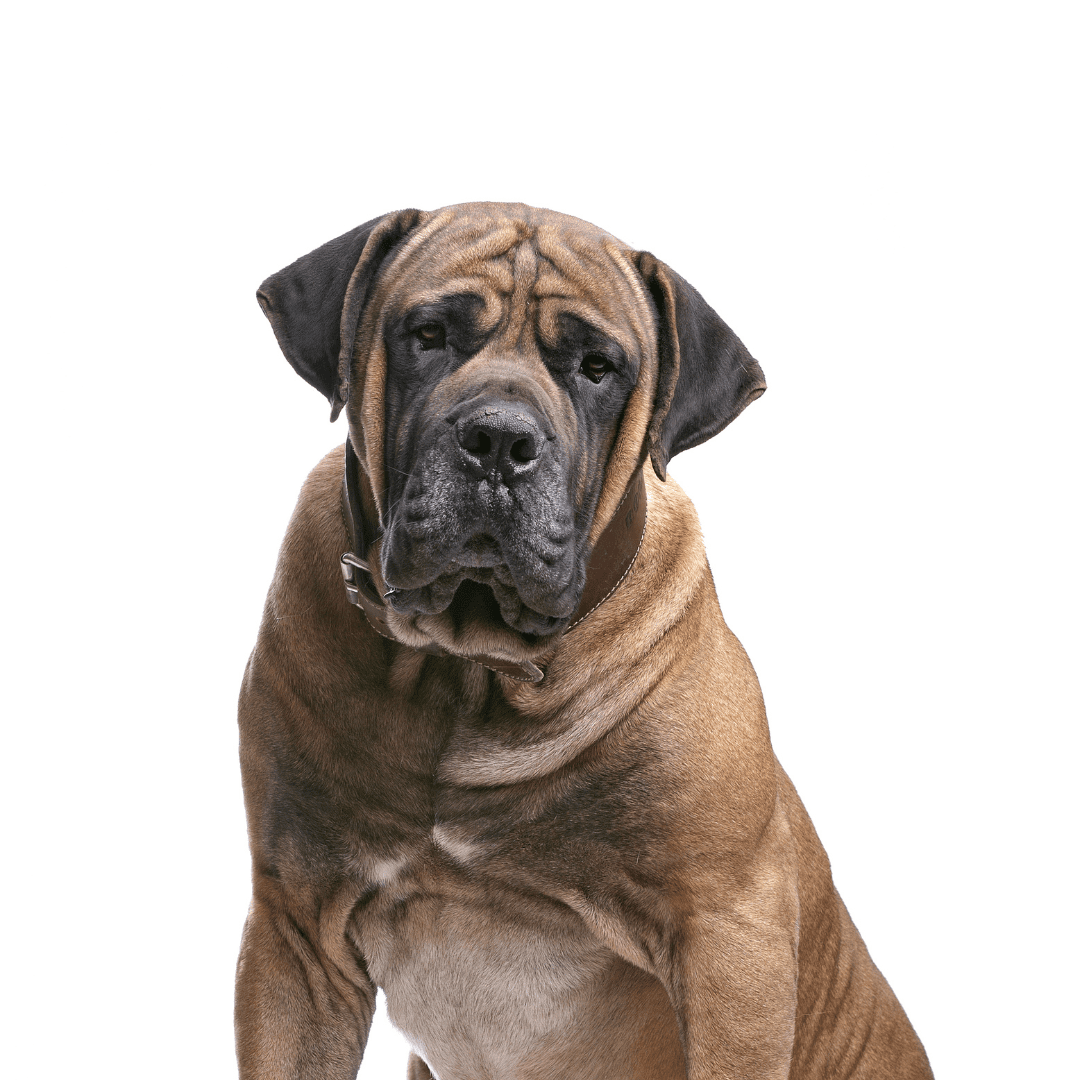

The Bullmastiff is a large, powerful dog breed that was originally developed in England in the mid-19th century to protect gamekeepers from poachers. The breed is a cross between the English Mastiff and the Bulldog, and it was created to be a loyal and protective companion.
Bullmastiffs are typically large, muscular dogs with a short, dense coat that comes in shades of fawn, red, or brindle. They have a broad head with a short, broad muzzle, and their ears are V-shaped and hang down. Bullmastiffs are known for their loyalty, protectiveness, and calm demeanor, which makes them great family pets.
Due to their size and strength, Bullmastiffs require early socialization and training to ensure that they are well-behaved around people and other animals. They also need plenty of exercise and mental stimulation to keep them healthy and happy.
Bullmastiff Size
The average height of a male Bullmastiff is 25-27 inches (63.5-68.5 cm) at the shoulder, while the average height of a female Bullmastiff is 24-26 inches (61-66 cm) at the shoulder.
The average weight of a male Bullmastiff is 110-130 pounds (50-59 kg), while the average weight of a female Bullmastiff is 100-120 pounds (45-54 kg). A balanced diet, regular exercise, and regular visits to the veterinarian can help keep your Bullmastiff healthy and at a healthy weight.
Bullmastiff Temperament
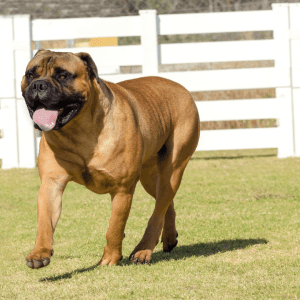
The temperament of a Bullmastiff can vary depending on their individual personality and upbringing. It is important to socialize Bullmastiffs early on and provide them with proper training and discipline to ensure they grow up to be well-behaved dogs.
Bullmastiffs are not typically aggressive towards strangers, but they are naturally wary of strangers and can be protective of their home and family. They are generally good with children and other pets, but as with any large breed, it is important to supervise interactions between them.
The Bullmastiff is a loyal and loving companion that can make a great family pet for the right owner who is willing to provide them with proper care, training, and socialization.
Bullmastiff Care
Training: Bullmastiffs require early socialization and obedience training to ensure that they are well-behaved around people and other animals. They are intelligent dogs, but can be stubborn, so firm and consistent training is important.
Exercise: Despite their size, Bullmastiffs don’t require a lot of exercise. They enjoy daily walks and some playtime in a fenced yard, but are generally happy to lounge around the house with their family.
Health: Bullmastiffs are generally healthy dogs, but like all breeds, they are prone to certain health conditions. Some of the most common health issues in Bullmastiffs include hip dysplasia, elbow dysplasia, and bloat. Regular vet checkups and proper nutrition can help keep your Bullmastiff healthy.
Grooming: Bullmastiffs have a short, dense coat that requires minimal grooming. They shed moderately year-round, and may require more frequent brushing during shedding season.
Bullmastiff Lifespan
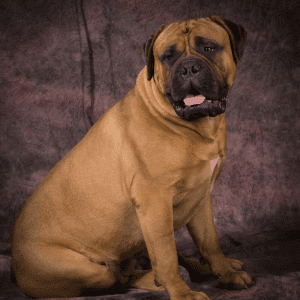
The lifespan of a Bullmastiff typically ranges from 8 to 10 years. However, some Bullmastiffs can live longer with proper care and attention to their health needs.
To help ensure a longer and healthier life for your Bullmastiff, it is important to provide them with regular exercise, a nutritious diet, routine veterinary care, and attention to their dental health. Additionally, it is important to monitor their weight and to avoid overfeeding, as obesity can lead to health problems later in life.
Bullmastiffs are a great choice for families who want a loyal and protective companion. With proper socialization, training, and care, they can be wonderful pets.
Breed Confusion
English Mastiff vs Bullmastiff
English Mastiffs and Bullmastiffs are both large breed dogs with a lot of similarities, but there are also some key differences between them.
Here are some comparisons and contrasts between English Mastiffs and Bullmastiffs:
Size: Both breeds are large, with the English Mastiff typically being larger and heavier than the Bullmastiff. English Mastiffs can weigh between 120 to 230 pounds, while Bullmastiffs typically weigh between 100 to 130 pounds.
Temperament: Both breeds are generally calm and affectionate with their family, but the Bullmastiff is more protective and wary of strangers. English Mastiffs are generally more laid-back and friendly towards strangers. Both breeds require socialization and training from an early age to ensure they grow up to be well-behaved dogs.
Activity level: Both breeds have moderate energy levels and require daily exercise, but the English Mastiff tends to be less active and more content to lounge around the house. The Bullmastiff, on the other hand, is more alert and vigilant, and may require more mental stimulation to prevent boredom and destructive behavior.
Health: Both breeds are prone to certain health issues such as hip dysplasia, elbow dysplasia, bloat, and cancer. However, the Bullmastiff may be slightly healthier overall, as they were bred to be working dogs and may have fewer genetic health problems than the English Mastiff.
Grooming: Both breeds have short, easy-to-care-for coats that require minimal grooming. However, the English Mastiff may shed more heavily than the Bullmastiff, and may require more frequent brushing to keep their coat in good condition.
Both the English Mastiff and Bullmastiff can make excellent family pets for the right owner who is willing to provide them with proper care, training, and attention to their health needs. However, the Bullmastiff may be a better fit for those looking for a more active, vigilant, and protective dog, while the English Mastiff may be better suited for those seeking a more laid-back, gentle giant.
FUN FACTS
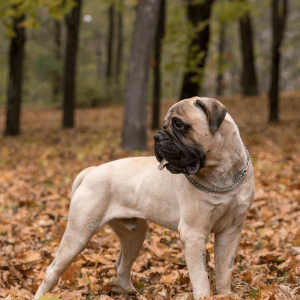
Here are some fun and little-known facts about Bullmastiffs:
- Bullmastiffs were originally bred in England to protect gamekeepers from poachers. They were trained to silently and quickly take down intruders, without harming them.
- Despite their intimidating appearance, Bullmastiffs are known for their gentle and calm nature. They are often called “gentle giants.”
- Bullmastiffs were recognized as a breed by the American Kennel Club (AKC) in 1933.
- Bullmastiffs have a strong prey drive, which means they may chase small animals like squirrels or rabbits. It’s important to supervise them when they are outside to prevent them from escaping or getting into trouble.
- Bullmastiffs have a unique “gait” or way of moving. They have a rolling gait, which means they move with a smooth, swaying motion.
- Bullmastiffs have been used in various movies and TV shows, including the Harry Potter series and the TV show “Marmaduke.”
- Despite their large size, Bullmastiffs are known for being great with kids. They are patient and gentle with children, and often become very protective of them.
- Bullmastiffs have a strong sense of smell and have been used as search and rescue dogs, as well as in law enforcement.
- Bullmastiffs have a short lifespan compared to some other breeds, with an average lifespan of 8-10 years.

READY TO ADD A BULLMASTIFF TO YOUR HOME OR FAMILY?
Bullmastiffs make good pets due to their protective nature and loyalty to their owners, combined with their gentle and affectionate temperament, which makes them great companions for families with children and other pets. They are also relatively low maintenance in terms of grooming and exercise requirements, which can be beneficial for busy households.
If you’re considering getting a Bullmastiff, here are some things to keep in mind to ensure that you can take good care of them:
Size: Bullmastiffs are a large breed of dog and can weigh up to 130 pounds or more. Make sure you have enough space in your home and yard to accommodate a dog of this size.
Energy level: While Bullmastiffs are not overly active, they do require daily exercise and mental stimulation to stay healthy and happy. Make sure you have the time and energy to provide them with the exercise and attention they need.
Temperament: Bullmastiffs are generally calm and affectionate with their family, but can be protective of their home and wary of strangers. They require socialization and training from an early age to ensure they grow up to be well-behaved dogs.
Health: Like all breeds, Bullmastiffs are prone to certain health issues such as hip dysplasia, elbow dysplasia, bloat, and cancer. Make sure you can provide them with regular veterinary care and attention to their health needs.
Training: Bullmastiffs can be strong-willed and stubborn, so it is important to provide them with proper training and discipline from an early age. Consider hiring a professional dog trainer to help you establish good behavior and obedience.
Lifestyle: Bullmastiffs are loyal and protective of their family, but may not be the best fit for everyone. Consider your lifestyle, work schedule, and family dynamics to determine if a Bullmastiff is the right breed for you.
Financial commitment: Large breeds can be expensive to care for, with food, veterinary care, and other expenses adding up quickly. Make sure you can afford to provide your Bullmastiff with the care and attention they need.
A Bullmastiff can make a wonderful companion for the right owner who is willing to provide them with proper care, training, and attention to their health needs. Before getting a Bullmastiff, be sure to do your research and carefully consider all of the factors involved in owning a large breed dog.
Grab your FREE New Puppy Success Guide to help select, prepare for, and train your new puppy!! 

If you are interested in buying a Bullmastiff puppy, here in the USA, there are a few options available to you.
- Breeders: One of the most common ways to purchase a Bullmastiff puppy is through a reputable breeder. You can find breeders through the American Kennel Club’s website, which has a directory of breeders, or through the American BullMastiff Association’s breeder referral list. When selecting a breeder, make sure to research their reputation, ask for references, and visit their facility in person to ensure they are raising healthy, well-socialized puppies.
- Rescue organizations: Another option is to adopt a Bullmastiff puppy from a rescue organization. There are several Bullmastiff-specific rescue organizations in the United States, such as the American Bullmastiff Association Rescue Service and the Bullmastiff Rescuers, Inc. These organizations rescue Bullmastiffs from shelters, owner surrenders, and other situations and work to find them loving forever homes.
- Pet stores: While not recommended, some pet stores may sell Bullmastiff puppies. However, it is important to be cautious when purchasing a puppy from a pet store, as they may not be sourced from reputable breeders and may have health or behavioral issues.
- Online marketplaces: Some online marketplaces, such as PetFinder and AKC Marketplace, allow breeders to list puppies for sale. However, it is important to exercise caution when purchasing a puppy online, as it can be difficult to verify the breeder’s reputation and the puppy’s health and temperament.
DON’T FORGET TO CHECK OUT OUR BULLMASTIFF 101 VIDEO ON YOUTUBE!!

Bullmastiff Puppy Prices
The average price for a Bullmastiff can vary depending on factors such as the dog’s lineage, pedigree, age, location, breeder reputation, and demand. Bullmastiffs are large and powerful dogs known for their loyalty, protective nature, and gentle temperament.
On average, you can expect to pay anywhere from $1,500 to $3,500 for a Bullmastiff puppy from a reputable breeder. The price can vary depending on the breeder’s location and the quality of the bloodline. Show-quality or champion bloodline Bullmastiffs can command higher prices, often ranging from $3,500 to $6,000 or more.
Before purchasing a Bullmastiff puppy, be sure to do your research and carefully consider your options to ensure you are getting a healthy, well-bred puppy from a reputable source.

By purchasing these essential items before welcoming your Bullmastiff puppy into your home, you can help ensure they have everything they need to stay healthy, happy, and comfortable.
Keep in mind that the purchase of any dog is a big decision and responsibility, and it is important to choose a breed that fits your lifestyle and preferences.
SUMMARY
Bullmastiff Height: 24-26 inches for females, 25-27 inches for males
Bullmastiff Weight: 100 – 130 lbs.
Bullmastiff Colors: Fawn, Red, Brindle
Bullmastiff Temperament: Protective, loyal, calm, affectionate, fearless
Bullmastiff Life Expectancy: 8 -10 years.
Overall, Bullmastiffs make loyal and affectionate companions who are protective of their families and are generally calm and gentle in their demeanor.
Want some more ways to spread the Bullmastiff love?
Follow these hashtags on social media: #bullmastiff #bullmastiffsofinstagram #bullmastifflove #bullmastiffpuppy #bullmastiffworld #mastiff #mastiffsofinstagram #mastifflove #mastiffpuppy #bigdogs #dogsofinstagram #dogstagram #doglovers #gentlegiant #dogbreeds #dogoftheday
Print this FREE Bullmastiff Coloring Page!
Connect with us on social media to see more about the Bullmastiff!