



By choosing a low-maintenance dog breed that fits your lifestyle and schedule, you can experience the joys of canine companionship without added stress or strain.
In today’s fast-paced world, finding time for pet care can be challenging, especially for individuals with busy schedules. However, finding a low maintenance dog breed that works with your busy lifestyle doesn’t have to be overwhelming.
In this guide, we’ll explore factors to consider when selecting a low-maintenance dog breed and highlight breeds that are well-suited for busy individuals or families.

What is a Low-Maintenance Dog Breed?
Low-maintenance dog breeds are characterized by their easygoing nature, minimal grooming requirements, and moderate exercise needs. These breeds are typically adaptable, independent, and capable of entertaining themselves for extended periods, making them suitable companions for individuals with busy schedules or limited time for pet care.
Key Factors to Consider When Searching for a Low Maintenance Dog Breed
When choosing a low-maintenance dog breed, it’s essential to consider several factors to ensure compatibility with your lifestyle and schedule:

Energy Level
Opt for a dog breed with a moderate energy level that aligns with your activity level and schedule. While highly energetic breeds may require extensive exercise and mental stimulation, low-energy breeds are more laid-back and content with shorter walks and indoor playtime.

Grooming Requirements
Select a dog breed with minimal grooming needs to simplify your pet care routine. Breeds with short coats or low-shedding coats are easier to maintain and require less frequent brushing and grooming sessions.
Independence
Look for breeds that are independent and capable of entertaining themselves when left alone for extended periods. While all dogs require social interaction and companionship, some breeds are more self-sufficient and less prone to separation anxiety.

Trainability
Choose a dog breed that is relatively easy to train and well-behaved, especially if you have limited time for obedience training and behavioral reinforcement. Breeds with a cooperative and trainable temperament are more likely to adapt to your schedule and lifestyle.
Low-Maintenance Dog Breeds
Several dog breeds are known for their low-maintenance characteristics and suitability for busy individuals or families. Here are some examples:

Cavalier King Charles Spaniel
Cavalier King Charles Spaniels are affectionate, gentle, and adaptable dogs with moderate exercise needs. They have a silky coat that requires regular brushing but minimal grooming, making them easy to care for. Cavaliers are social dogs that enjoy spending time with their owners but can also entertain themselves when necessary.

French Bulldog
French Bulldogs are compact, easygoing, and affectionate dogs that thrive in urban environments. They have a short coat that requires minimal grooming and moderate exercise needs, making them well-suited for individuals with busy schedules. Frenchies are known for their playful and laid-back demeanor, making them excellent companions for apartment dwellers.
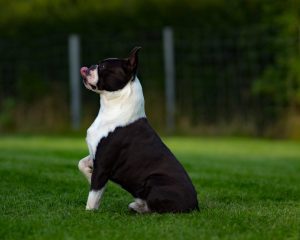
Boston Terrier
Boston Terriers are friendly, intelligent, and adaptable dogs with a short coat that is easy to maintain. They have moderate exercise needs and enjoy interactive playtime with their owners but are also content to relax indoors. Boston Terriers are known for their affectionate nature and adaptability to various lifestyles and living situations.
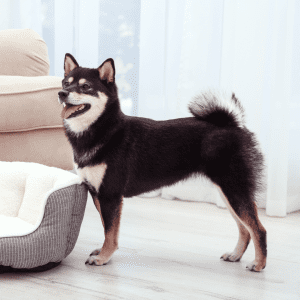
Shiba Inu
Shiba Inus are independent, spirited, and intelligent dogs with a compact size and minimal grooming requirements. They have a confident and aloof demeanor but form strong bonds with their owners. Shiba Inus are relatively low-energy compared to some other breeds, making them suitable for individuals with busy schedules.
Not into small dogs? No worries. We’ve got you covered!
Large Dog Breeds That Are Low Maintenance
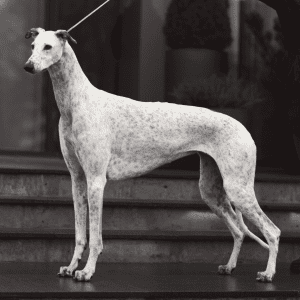
Greyhound
- Greyhounds are known for their sleek and elegant appearance, as well as their gentle and laid-back demeanor.
- They have short coats that require minimal grooming, and they are relatively low-energy dogs that enjoy lounging indoors.
- Despite their size, Greyhounds are content with daily walks or short bursts of exercise, making them suitable for urban living or homes with limited outdoor space.
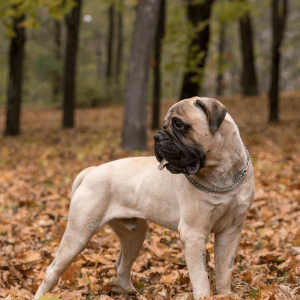
Bullmastiff
- Bullmastiffs are large and powerful dogs known for their loyalty, affection, and protective nature.
- They have short coats that are easy to maintain with regular brushing, and they shed minimally.
- Bullmastiffs are calm and low-energy dogs that enjoy spending time with their family and lounging around the house, although they still require daily walks or moderate exercise to stay healthy and happy.
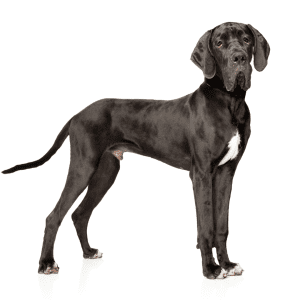
Great Dane
- Great Danes are one of the largest dog breeds but are surprisingly low maintenance in terms of grooming and exercise needs.
- They have short coats that are easy to care for with regular brushing to minimize shedding.
- Despite their imposing size, Great Danes have a gentle and affectionate temperament, and they are often referred to as “gentle giants.”
- Great Danes are relatively low-energy dogs that enjoy leisurely walks and lounging indoors, although they still need regular exercise to prevent obesity and maintain muscle tone.
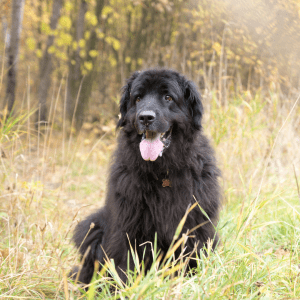
Newfoundland
- Newfoundland dogs are large, sweet-natured, and affectionate companions known for their gentle and patient demeanor.
- They have thick, water-resistant coats that require regular brushing to prevent matting and remove loose hair, especially during shedding seasons.
- Newfoundland dogs are calm and easygoing, making them suitable for families and individuals with busy lifestyles.
- While they do need regular exercise, Newfoundlands are not overly active and are content with daily walks or moderate play sessions.
These large dog breeds offer the size and presence that some individuals desire in a canine companion while still being relatively low maintenance in terms of grooming and exercise needs.
However, it’s essential to remember that every dog is unique, and individual temperament and behavior can vary within breeds. Potential owners should still consider factors such as lifestyle, living space, and commitment to providing proper care and attention to their chosen breed.

Additional Considerations for Choosing a Low-Maintenance Dog Breed
Size
Consider the size of the dog breed when choosing a low-maintenance companion. Smaller breeds typically require less space and exercise compared to larger breeds, making them more suitable for apartment living or homes with limited outdoor areas.
For individuals with busy schedules or limited mobility, a small or medium-sized dog may be easier to handle and care for. However, it’s essential to ensure that the dog’s size matches your living space and lifestyle preferences.
Age
Consider adopting an adult or senior dog instead of a puppy if you have limited time for house training and puppy care. Adult dogs are often already housetrained, socialized, and past the hyperactive puppy stage, making them easier to integrate into your routine.
Many shelters and rescue organizations have adult dogs available for adoption, and staff can provide insights into each dog’s personality, temperament, and compatibility with your schedule.

Enrichment and Mental Stimulation
Even low-maintenance dog breeds require mental stimulation and enrichment to prevent boredom and behavioral issues. Incorporate interactive toys, puzzle games, and training sessions into your daily routine to keep your dog mentally engaged and fulfilled.
Consider enrolling your dog in obedience classes or agility training to provide mental stimulation and strengthen the bond between you and your canine companion. Regular walks, outings to dog-friendly parks, and playdates with other dogs can also provide opportunities for socialization and mental enrichment.
Professional Support
If you’re struggling to balance your schedule with pet care responsibilities, consider hiring a professional dog walker, pet sitter, or doggy daycare service to help meet your dog’s needs during busy periods. These services can provide companionship, exercise, and socialization for your dog while you’re away, ensuring they remain happy and well-cared for.
Additionally, consult with a veterinarian or certified dog trainer for guidance on optimizing your dog’s health, behavior, and overall well-being. Regular veterinary check-ups, vaccinations, and preventative care are essential for maintaining your dog’s health and longevity.

Conclusion
Choosing a low-maintenance dog breed that fits your schedule requires careful consideration of various factors, including energy level, grooming requirements, size, age, and enrichment needs. By selecting a breed that aligns with your lifestyle and preferences, you can enjoy the companionship and love of a canine companion without adding unnecessary stress or strain to your daily routine.
Whether you opt for a small, easygoing breed like the Cavalier King Charles Spaniel or a robust, affectionate breed like the Newfoundland, there’s a low-maintenance dog breed out there waiting to become your loyal and cherished companion. With proper care, attention, and support, owning a dog can be a rewarding and fulfilling experience that enhances your life in countless ways.