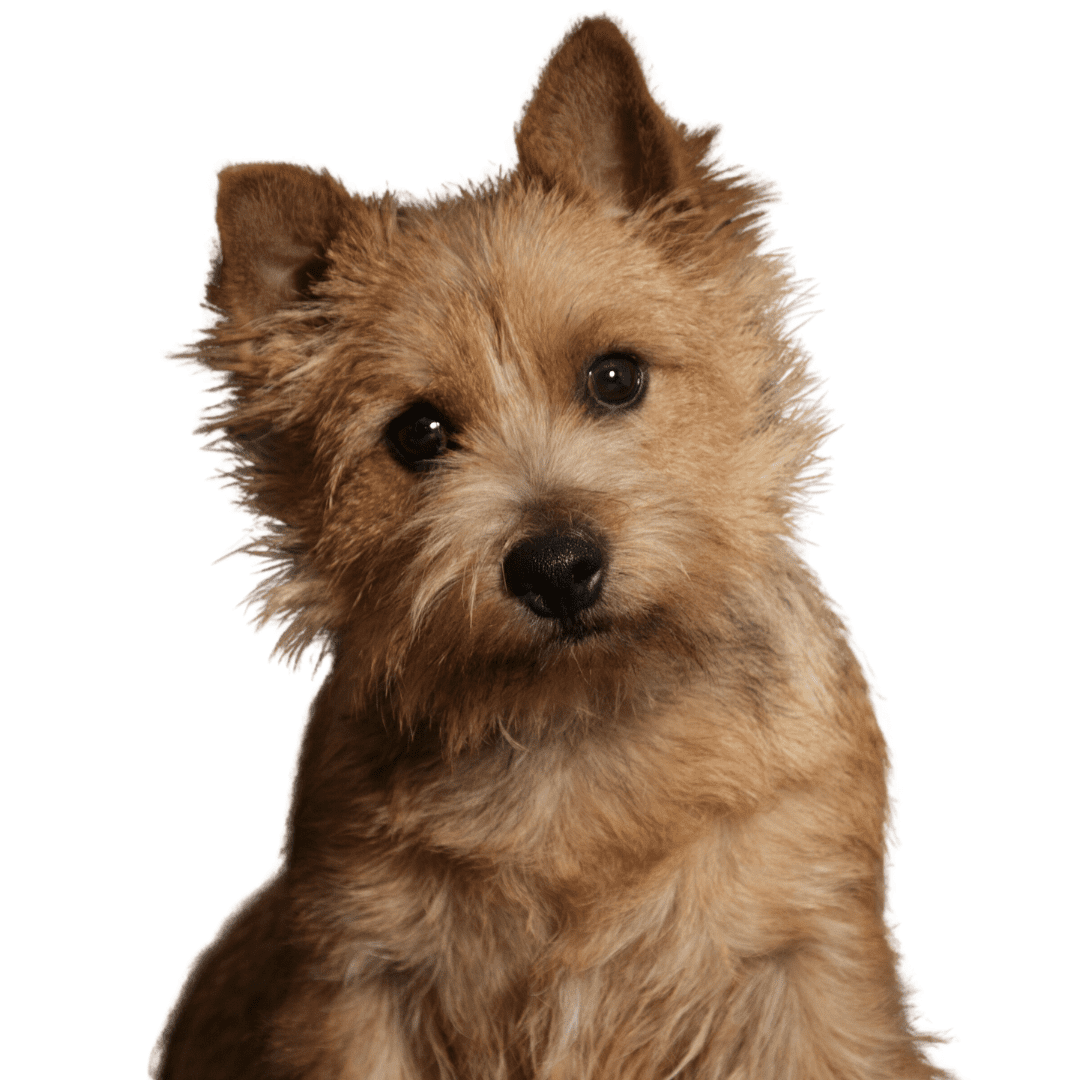

The Norwich Terrier is a small-sized breed of dog that originated in East Anglia, a region in eastern England. It is believed to have descended from the Irish Terrier and other small terrier breeds, and was used primarily as a hunting dog to hunt small game like rats and foxes.
Norwich Terriers are known for their lively and energetic personality, as well as their loyalty and affection towards their owners. They are also intelligent and trainable, making them popular as both a family pet and a working dog.
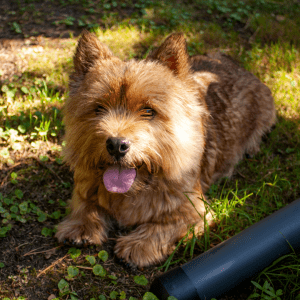
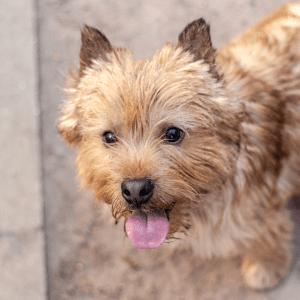
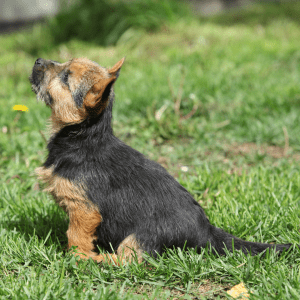
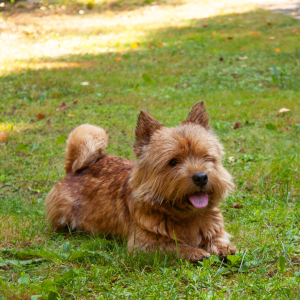
In terms of physical appearance, Norwich Terriers are typically small and compact, with a sturdy build and a slightly rounded head. They have a wiry, weather-resistant coat that can be either red, wheaten, black and tan, or grizzle in color.
The Norwich Terrier is a charming and lovable breed that makes a great companion for those looking for an energetic and affectionate pet.
Here’s some additional information about the Norwich Terrier breed:
Norwich Terrier Size and Weight
Norwich Terriers are considered a small-sized breed, with an average weight of around 10-12 pounds and a height of around 9-10 inches at the shoulder.
Coat and Grooming
The Norwich Terrier has a double coat, with a harsh, wiry outer coat and a soft undercoat. They require regular brushing and occasional stripping to maintain their coat and prevent matting. They are not considered to be a hypoallergenic breed and may shed.
Personality and Temperament
Norwich Terriers are known for their bold and lively personalities. They are generally friendly and affectionate towards their owners and have a reputation for being good with children. They are also energetic and enjoy regular exercise and playtime. However, they can be strong-willed and may require consistent training and socialization.
Health and Lifespan
Like all breeds, Norwich Terriers can be prone to certain health issues, such as hip dysplasia, patellar luxation, and eye problems. They have an average lifespan of around 12-14 years.
Training and Activity
Norwich Terriers are intelligent and eager to please, making them relatively easy to train. They enjoy a variety of activities, including walks, runs, and playtime. They also have a high prey drive and may chase small animals, so it’s important to supervise them when off-leash.
History and Breed Recognition
The Norwich Terrier originated in England in the 19th century and was used primarily as a ratter and fox hunter. The breed was recognized by the American Kennel Club (AKC) in 1936 and is now recognized by many other breed clubs and organizations around the world.
Breed Confusion
Norfolk Terrier vs. Norwich Terrier
The Norfolk Terrier is often confused with the Norwich Terrier, as they share similar appearances and both belong to the terrier family, but they are distinct breeds with some differences in ear shape and temperament.
Here’s a comparison and contrast between the Norfolk Terrier and the Norwich Terrier:
Comparison
- Origin:
- Norfolk Terrier: Originated in East Anglia, England.
- Norwich Terrier: Also originated in East Anglia, England, and shares a common history with the Norfolk Terrier.
- Size:
- Norfolk Terrier: Small breed, with an average height of 9-10 inches at the shoulder and a weight of 11-12 pounds.
- Norwich Terrier: Similar in size to the Norfolk, with an average height of 9-10 inches at the shoulder and a weight of 11-12 pounds.
- Coat Type:
- Norfolk Terrier: Has a wiry, dense, and weather-resistant double coat with a soft, dense undercoat.
- Norwich Terrier: Also has a wiry double coat with a soft undercoat, similar to the Norfolk.
- Coat Color:
- Norfolk Terrier: Coat colors include red, wheaten, black and tan, or grizzle (a mix of red and black hairs).
- Norwich Terrier: Same coat colors as the Norfolk, including red, wheaten, black and tan, or grizzle.
- Tail:
- Norfolk Terrier: Historically, Norfolk Terriers had their tails docked, but in recent years, they are typically seen with natural tails.
- Norwich Terrier: Norwich Terriers are known for their naturally erect, “perky” ears, which distinguish them from the Norfolk. The Norwich has never been traditionally docked.
- Ears:
- Norfolk Terrier: The Norfolk Terrier has dropped or folded ears.
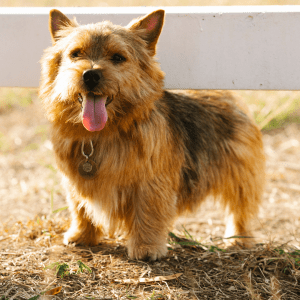
- Norwich Terrier: The Norwich Terrier has erect, pointed ears, which give them a distinct appearance.
- Temperament:
- Norfolk Terrier: Affectionate, lively, and loyal. They are known for their love of people and are generally good with children and other pets.
- Norwich Terrier: Also affectionate and friendly, with a bit of an independent streak. They are known for their spirited and lively personality.
- Popularity:
- Norfolk Terrier: The Norfolk Terrier is slightly more popular in the United States, ranking higher in the American Kennel Club’s breed popularity list.
- Norwich Terrier: The Norwich Terrier is also popular but is often a bit less common than the Norfolk Terrier.
Contrast
- Tail and Ears:
- The most noticeable difference is in their tails and ears. Norfolk Terriers can have either natural tails or docked tails, while Norwich Terriers have naturally erect ears, never docked tails, and a more “perky” appearance.
- Coat Texture:
- Both breeds have a wiry double coat, but their specific coat texture may vary from individual to individual.
- Temperament:
- While both breeds share many positive traits, some subtle differences exist in temperament and personality, with Norwich Terriers often being a bit more independent and spirited.
In conclusion, Norfolk Terriers and Norwich Terriers are closely related breeds with many similarities in size, coat type, and temperament. The primary distinctions lie in their tails and ear shapes, with Norfolk Terriers having natural tails and dropped ears, while Norwich Terriers have erect ears and never have docked tails.
FUN FACTS
Here are some fun facts about Norwich Terriers:
- Norwich Terriers are known for their love of digging, and they will often dig holes in the yard or under furniture. This behavior is a result of their history as rat hunters, as they were trained to dig out rodents from their burrows.
- The Norwich Terrier was originally known as the Cantab Terrier or Trumpington Terrier, after the areas where they were first bred.
- The Norwich Terrier was one of the first breeds to be used for canine agility competitions, and they continue to be a popular breed for agility training today.
- Norwich Terriers are sometimes called “the little earl” because of their noble and dignified appearance.
- Norwich Terriers have been owned by several famous people, including British politician Winston Churchill and American comedian Joan Rivers.
- Norwich Terriers have a distinctive “prick” or “upright” ear shape that sets them apart from other terrier breeds.
- Norwich Terriers have a high tolerance for cold weather, thanks to their thick, weather-resistant coat.
- Norwich Terriers were used as messenger dogs during World War I, and they were trained to carry messages across the battlefield.
- In 2013, a Norwich Terrier named Tillie made headlines when she stayed by the side of her injured canine companion, Phoebe, for a week in a ravine until they were both rescued.
READY TO ADD A Norwich Terrier TO YOUR HOME OR FAMILY?
The Norwich Terrier makes an exceptional pet, known for its affectionate nature and boundless enthusiasm for being part of the family. Despite its small size, this breed possesses a big personality, offering loyal companionship and a spirited, charming presence to those fortunate enough to have one as a pet.
Before getting a Norwich Terrier, however, there are several important factors to consider:
Size and Space: Norwich Terriers are small dogs, making them suitable for apartment living, but they still need space to play and exercise. Ensure you have a safe and secure area for them to run and play.
Exercise Needs: While they are small, Norwich Terriers are active and require daily exercise to keep them mentally and physically stimulated. Plan for regular walks, playtime, and interactive toys.
Grooming: Norwich Terriers have a wiry, double coat that needs regular grooming. Be prepared for brushing, hand-stripping (plucking out dead hair), and occasional trips to a professional groomer.
Training: These dogs are intelligent but can be independent and strong-willed. Consistent, positive reinforcement-based training is essential to prevent stubborn behavior.
Socialization: Early socialization is crucial to ensure that Norwich Terriers get along well with other dogs and people. Expose them to various environments, people, and experiences from a young age.
Temperament: Understand the breed’s temperament, which includes being affectionate, spirited, and sometimes feisty. They are known for their big personalities in small bodies.
Health Care: Like all dogs, Norwich Terriers are prone to certain health issues. Regular veterinary check-ups, vaccinations, and preventive care are necessary to keep them healthy.
Children and Other Pets: Norwich Terriers can be good with children and other pets when properly socialized, but they may be assertive with larger dogs. Supervise interactions and teach children how to handle small dogs gently.
Barking: Norwich Terriers have a tendency to bark, which can be a nuisance if not managed. Be prepared to address this behavior through training.
Longevity: Norwich Terriers typically have a longer lifespan compared to larger breeds, often living into their teens. Be prepared for a long-term commitment.
Breeder Selection: Choose a reputable breeder who focuses on the health and well-being of the dogs. Research and visit breeders to ensure you are getting a healthy puppy from a responsible source.
Allergies: Consider potential allergies among family members, as some individuals may be allergic to dog dander.
Financial Responsibility: Owning a dog comes with financial responsibilities, including food, grooming, veterinary care, and unexpected medical expenses.
Travel and Time Commitment: Consider how your lifestyle and travel plans will accommodate a dog’s needs for companionship and care.
Taking these factors into account will help you determine if a Norwich Terrier is the right fit for your home and lifestyle. Responsible ownership ensures a happy and healthy life for your furry companion.
Grab your FREE New Puppy Success Guide to help select, prepare for, and train your new puppy!! 

If you are interested in buying a Norwich Terrier, here in the USA, there are a few options available to you:
- Breed Clubs: Start by contacting the Norwich Terrier Club of America or regional Norwich Terrier clubs. They often maintain breeder directories or can provide referrals to responsible breeders.
- Reputable Breeders: Seek out breeders who are members of breed clubs and adhere to ethical breeding practices. Reputable breeders prioritize the health and temperament of their dogs and conduct necessary health screenings.
- Online Directories: You can find breeders through online directories such as the American Kennel Club (AKC) Marketplace or the NTCA’s breeder referral page. However, be cautious and thoroughly research any breeder you find online.
- Dog Shows: Attend local dog shows and events where Norwich Terriers may be exhibited. This is an opportunity to meet breeders in person and see their dogs.
- Word of Mouth: Talk to other Norwich Terrier owners or enthusiasts. They may have recommendations or know of upcoming litters.
- Rescue Organizations: Consider adopting a Norwich Terrier from a breed-specific rescue organization or animal shelter. While puppies may be less common in rescue, there are often adult Norwich Terriers in need of loving homes.
DON’T FORGET TO CHECK OUT OUR NORWICH TERRIER 101 VIDEO ON YOUTUBE!!
Norwich Terrier Puppy Prices
Norwich Terrier puppies’ prices could range from $1,500 to $3,500 on average in the United States, depending on various factors such as the breeder’s reputation, the pedigree of the puppy, location, and whether the dog is intended for pet quality or show purposes.
When contacting breeders, ask questions about their breeding practices, health testing for the parents, socialization efforts, and the overall care they provide to their dogs. A responsible breeder will be open to answering your questions and may ask you questions to ensure their puppies are going to a suitable home.
Remember that finding a Norwich Terrier puppy from a reputable source may require patience, as responsible breeders often have waiting lists for their litters. Avoid purchasing puppies from pet stores or online marketplaces where the breeding and care standards may be questionable. Prioritize the welfare of the dog and support ethical breeding practices.
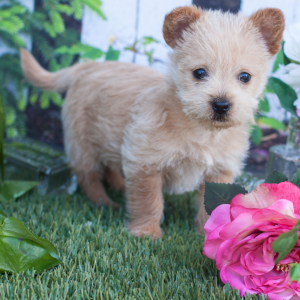
Remember that Norwich Terrier puppies, like all puppies, require a lot of love, attention, and socialization to become well-adjusted adults. Regular
Keep in mind that the purchase of any dog is a big decision and responsibility, and it is important to choose a breed that fits your lifestyle and preferences.
SUMMARY
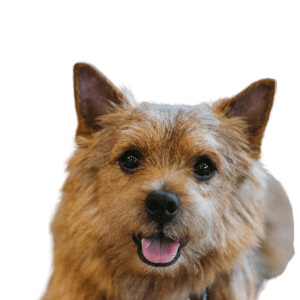
Norwich Terrier Height: 9-10 inches
Norwich Terrier Weight: 10-12 lbs.
Norwich Terrier Colors: Red, Wheaten, Black and Tan, Grizzle
Norwich Terrier Temperament: Bold, Lively, Affectionate, Loyal, Intelligent
Norwich Terrier Life Expectancy: 12-15 years.
Overall, Norwich Terriers are lively and affectionate companions, known for their loyalty and ability to bring joy to their families with their spirited personalities.
Want some more ways to spread the Norwich Terrier love?
Follow these hashtags on social media: #NorwichTerrier #NorwichTerriers #NorwichTerriersofInstagram #NorwichTerrierpuppy #NorwichTerrierlove #NorwichTerrierlife #NorwichTerrierworld #NorwichTerriersofig #NorwichTerriercorner #NorwichTerrier_feature #NorwichTerriergram #NorwichTerrieroftheday #NorwichTerrierclub #NorwichTerrierplanet #NorwichTerrieraddict #NorwichTerriermania #NorwichTerrierdaily #NorwichTerriercommunity #NorwichTerrierloversclub #NorwichTerrierstagram #NorwichTerrierpuppies
Connect with us on social media to see more about the Norwich Terrier!