



The Skye Terrier is a small Scottish breed of dog with a long, flowing coat and distinctive long ears. They were originally bred on the Isle of Skye for hunting small game such as foxes and badgers. Skye Terriers are known for their loyalty and devotion to their owners, but can be reserved with strangers.
Skye Terriers have a strong, muscular build and are generally healthy dogs. They require regular grooming to maintain their long coat and prevent matting. Skye Terriers are also active dogs that require daily exercise and mental stimulation to prevent boredom and destructive behaviors.
Skye Terriers make great companions for those who are willing to provide them with the care and attention they need.
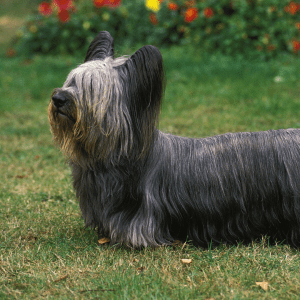
Here is some more detailed information about the Skye Terrier:
Appearance
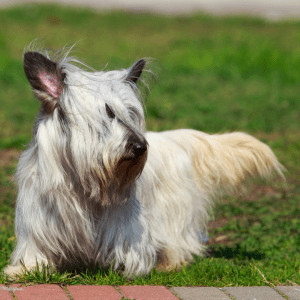
Skye Terriers have a long, rectangular-shaped body with short legs and a broad, flat head. They typically weigh between 25-40 pounds and stand 9-10 inches tall at the shoulder. Their coat is double-layered, with a soft undercoat and a longer, wiry outer coat that can come in a variety of colors, including black, gray, silver, and cream.
Temperament
Skye Terriers are known for their loyalty and devotion to their owners. They can be reserved with strangers and may require some socialization to help them become more comfortable around new people and situations. Skye Terriers are also independent-minded and can be stubborn, so early training and consistent, positive reinforcement is important.
Health
Skye Terriers are generally healthy dogs with a lifespan of around 12-14 years. However, like all breeds, they are prone to certain health issues, including hip dysplasia, allergies, and skin problems. Regular veterinary check-ups and preventive care can help keep them healthy.
Exercise and Training
Skye Terriers are active dogs that require daily exercise and mental stimulation. They enjoy walks, playtime, and games that challenge their minds. Skye Terriers are also intelligent dogs that respond well to positive reinforcement training methods. Early socialization and training can help prevent behavioral issues.
Living Arrangements
Skye Terriers can adapt to different living arrangements, but they are generally happiest in homes with a fenced yard where they can play and explore. They can also do well in apartments or smaller homes as long as they get enough exercise and mental stimulation. Skye Terriers are sensitive to extreme temperatures and should not be left outside for extended periods of time.
Skye Terriers make great companions for those who are willing to provide them with the love, attention, and care they need. They are loyal, loving, and devoted dogs that can make great additions to a variety of households.
Breed Confusion
Skye Terrier vs. Scottish Terrier
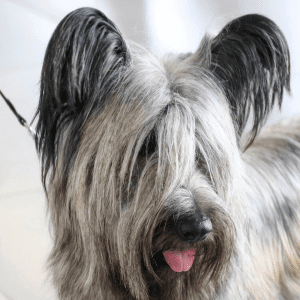
The Scottish Terrier, also known as the “Scottie”, is occasionally confused with the Skye Terrier. While both breeds originate from Scotland and are terriers, they have different coat types, with Scotties having a dense, wiry coat and Skye Terriers having a long, flowing coat. Additionally, Skye Terriers are usually longer and lower to the ground compared to the more compact Scottish Terrier.
Here’s a comparison and contrast between the Skye Terrier and the Scottish Terrier:
Similarities
- Scottish Origin: Both the Skye Terrier and the Scottish Terrier originate from Scotland and are considered Scottish terrier breeds.
- Terrier Group: Both breeds belong to the Terrier Group in dog classification due to their historical roles as small hunting and vermin-control dogs.
- Temperament: Skye Terriers and Scottish Terriers share some common temperament traits. They are often described as loyal, alert, and spirited. They can also be independent and assertive, typical of many terrier breeds.
- Small Size: Both breeds are small to medium-sized dogs, making them suitable for apartment living and smaller homes.
Differences
- Coat Type: One of the most significant differences between these breeds is their coat type. Skye Terriers have long, flowing coats that require regular grooming, while Scottish Terriers have a dense, wiry, and coarse coat that is lower maintenance.
- Size: Skye Terriers are generally larger than Scottish Terriers. Skye Terriers can reach heights of 9 to 10 inches at the shoulder and weigh around 35 to 45 pounds, while Scottish Terriers are shorter, standing around 10 inches tall and weighing 18 to 22 pounds.
- Appearance: Skye Terriers have a distinctive appearance with a long body, short legs, and a sleek, flat-lying coat. In contrast, Scottish Terriers are more compact and have a distinctive beard, erect ears, and a bushy tail.
- Energy Level: Skye Terriers are known for being relatively laid-back and adaptable, while Scottish Terriers are often described as more energetic and lively.
- Historical Roles: Skye Terriers were originally bred for hunting and vermin control on the Isle of Skye in Scotland, and their long coats provided protection from harsh weather. Scottish Terriers, on the other hand, were bred for hunting foxes and badgers in the Scottish Highlands, and their wiry coat made them well-suited to this task.
- Grooming Needs: Skye Terriers require more grooming and maintenance due to their long coat, including regular brushing, trimming, and attention to matting. Scottish Terriers have a lower-maintenance coat that still requires brushing but less frequent grooming.
- Health Considerations: Each breed may have its own set of health considerations, and potential owners should be aware of breed-specific health issues.
Ultimately, while both the Skye Terrier and the Scottish Terrier share Scottish origins and certain temperament traits, they have distinct differences in terms of appearance, coat type, size, and grooming needs, which can influence their suitability as a pet for different individuals and lifestyles.
FUN FACTS
Here are some fun facts about Skye Terriers:
- Skye Terriers were originally bred on the Isle of Skye in Scotland, where they were used for hunting small game such as foxes and badgers.
- Skye Terriers are one of the oldest terrier breeds, with a history that dates back to the 16th century.
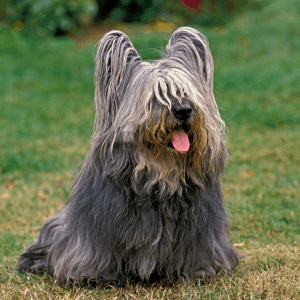
- Skye Terriers have a distinctive long coat that can grow up to 10 inches long. Their coat was traditionally used to protect them from the harsh weather on the Isle of Skye.
- Skye Terriers were once considered a status symbol among the Scottish aristocracy, and were often depicted in portraits and other works of art.
- Skye Terriers have a unique, dignified gait that is sometimes described as “rolling” or “swaying.”
- Skye Terriers have been owned by a number of famous people throughout history, including Queen Victoria, who was a well-known lover of dogs.
- Skye Terriers are relatively rare, with only a few hundred puppies registered with the AKC each year.
- Skye Terriers have a tendency to be vocal and may bark to alert their owners to potential threats.
- Skye Terriers can be trained to participate in a variety of dog sports, including obedience, agility, and tracking.
- Skye Terriers are known for their loyalty and devotion to their owners, and make great companions for those who are willing to provide them with the care and attention they need.
READY TO ADD A SKYE TERRIER TO YOUR HOME OR FAMILY?
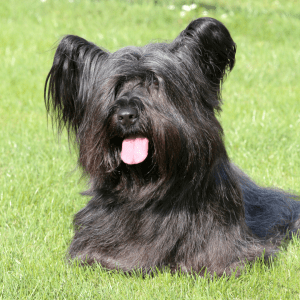
The Skye Terrier makes a charming and loyal companion, known for its dignified demeanor and affectionate nature towards its family; however, potential Skye Terrier owners should be prepared for regular grooming due to their long coat and consider their independent streak when it comes to training.
Before getting a Skye Terrier, however, there are several important factors to consider:
Grooming Commitment: Skye Terriers have long, flowing coats that require regular grooming to prevent matting and maintain their appearance. Be prepared for frequent brushing, occasional trimming, and professional grooming.
Exercise Needs: Skye Terriers may be smaller than some other terrier breeds, but they still have moderate exercise requirements. Daily walks and playtime are essential to keep them physically and mentally stimulated.
Socialization: Early and consistent socialization is crucial to ensure that Skye Terriers are well-adjusted and comfortable around other dogs and people.
Training Challenges: Skye Terriers are intelligent but can be independent thinkers. Be patient and use positive reinforcement methods in training to work with their independent nature.
Small Animal Prey Drive: Like many terriers, Skye Terriers may have a natural prey drive, and they might chase small animals. Supervise them around small pets to ensure their safety.
Health Considerations: Research breed-specific health issues that Skye Terriers may be prone to, and choose a responsible breeder who conducts health screenings on their breeding dogs.
Lifespan: Skye Terriers have a relatively long lifespan, often living into their teens. Be prepared for the long-term commitment of caring for your pet.
Space: While Skye Terriers can adapt to apartment living, they benefit from having some outdoor space to explore. Ensure they have opportunities for exercise and play.
Allergies: Some people may be allergic to dogs with long, shedding coats. Consider potential allergies within your household.
Travel Plans: Plan for your Skye Terrier’s care when you need to travel or go on vacations. This may involve finding a trustworthy pet sitter or boarding facility.
Financial Responsibility: Owning a dog involves costs for food, grooming, veterinary care, and other expenses. Be prepared for the financial responsibility of pet ownership.
Breeders or Rescue: Decide whether you want to purchase from a reputable breeder or adopt from a rescue organization. Ensure you choose a source that prioritizes the health and well-being of the dogs.
Skye Terriers can make wonderful and affectionate companions, but they are not the right choice for everyone. Their grooming needs, training requirements, and independent nature should be carefully considered to ensure a harmonious relationship between you and your Skye Terrier.
Grab your FREE New Puppy Success Guide to help select, prepare for, and train your new puppy!! 

If you are interested in purchasing a Skye Terrier, here in the USA, there are a few options available to you:
- Reputable Breeders: The best way to find a healthy and well-bred Skye Terrier puppy is through a responsible breeder. Look for breeders who are members of the American Kennel Club (AKC) or other reputable breed clubs and follow ethical breeding practices. Reputable breeders typically conduct health screenings on their breeding dogs and provide proper care for their puppies. You can search for breeders on the AKC website or through breed-specific clubs like the Skye Terrier Club of America.
- Rescue Organizations: Consider adopting a Skye Terrier from a rescue organization or shelter. While Skye Terriers may be less common in rescue than some other breeds, rescue organizations like the Skye Terrier Club of America Rescue and other regional rescue groups may have Skye Terriers available for adoption.
- Online Resources: Websites like Petfinder and Adopt-a-Pet allow you to search for Skye Terriers available for adoption in your area. You can also find listings for Skye Terrier breeders online, but exercise caution and verify the breeder’s credentials and practices.
Skye Terrier Puppy Prices
Skye Terrier puppies’ prices in the United States could range anywhere from $800 to $2,500 or more, depending on various factors. Prices can vary based on the breeder’s reputation, the pedigree of the puppy, the location, the quality of the breeding stock, and whether the puppy is meant for pet quality or show quality.
When contacting breeders or rescue organizations, be prepared to ask questions about the puppy’s health, pedigree, socialization, and the breeder’s or rescue’s practices. Visit the breeder or rescue facility if possible to meet the puppy’s parents and assess the living conditions. Responsible breeders and rescues prioritize the well-being of their dogs and puppies and are happy to answer your questions.
Remember that patience is crucial when looking for the right Skye Terrier puppy. Avoid purchasing from puppy mills, backyard breeders, or unscrupulous sources, as they may not prioritize the health and welfare of the dogs. Responsible breeding and adoption practices help ensure you bring a happy and healthy Skye Terrier puppy into your home.
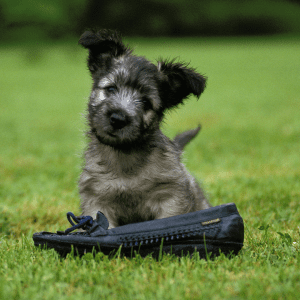
Remember that Skye Terrier puppies are small, and their needs may change as they grow. Consult with your veterinarian for personalized advice on your puppy’s care and specific product recommendations based on their age and health.
Keep in mind that the purchase of any dog is a big decision and responsibility, and it is important to choose a breed that fits your lifestyle and preferences.
SUMMARY
Skye Terrier Height: 9-10 inches
Skye Terrier Weight: 25-40 lbs.
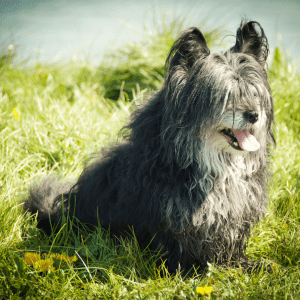
Skye Terrier Colors: Black, Gray, Blue, Wheaten, Fawn, Crema
Skye Terrier Temperament: Loyal, Alert, Courageous, Independent, Gentle
Skye Terrier Life Expectancy: 12-14 years.
Overall, Skye Terriers make devoted and alert companions, known for their loyalty and gentle nature with their families.
Want some more ways to spread the Skye Terrier love?
Follow these hashtags on social media: #SkyeTerrier #SkyeTerrierLove #SkyeTerrierNation #SkyeTerrierPride #SkyeTerrierLife #SkyeTerriersOfInstagram #DogsofInstagram #PetsofInstagram #SkyeTerrierCommunity #SkyeTerrierLovers #CuteSkyeTerrier #AdorableSkyeTerrier #SkyeTerrierGram
Print this FREE Skye Terrier Coloring Page!
Connect with us on social media to see more about the Skye Terrier!