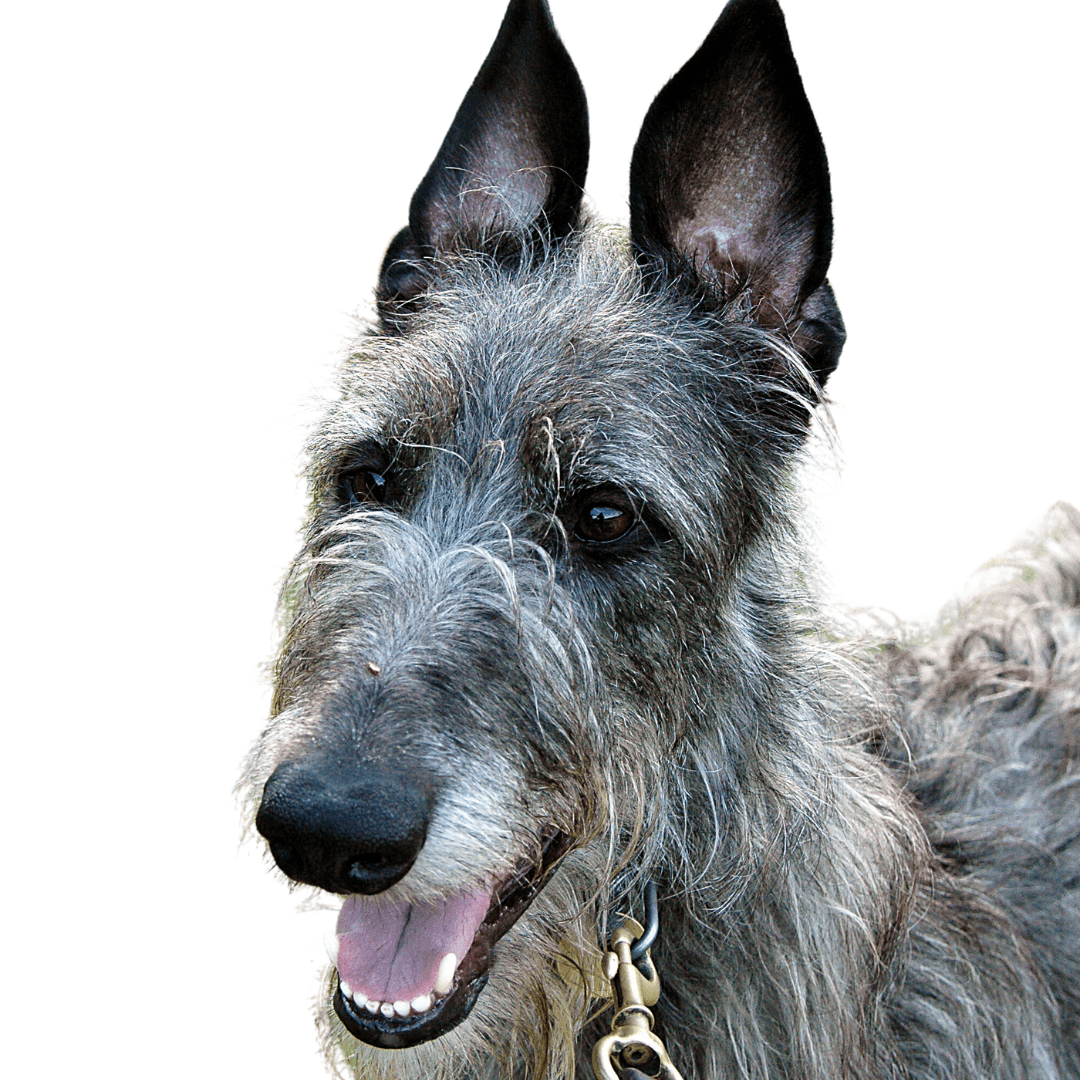

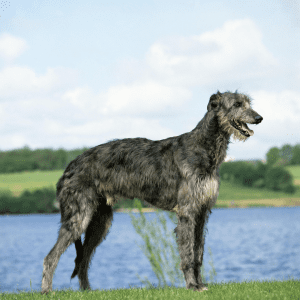
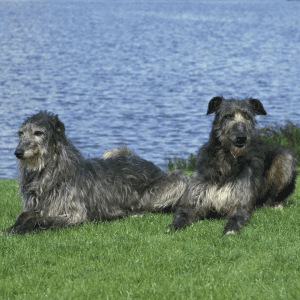
The Scottish Deerhound is a large breed of sighthound originally bred in Scotland for hunting deer. They are known for their tall and slender build, long and narrow head, and a shaggy coat that comes in various shades of gray and brindle.
Scottish Deerhounds are typically gentle and loyal dogs, making them great family pets. They are also known for their athleticism and need for regular exercise. Due to their hunting instincts, they may have a strong prey drive and should be supervised around smaller animals.
As with any breed, proper training and socialization are important to ensure they develop into well-behaved and well-adjusted dogs. Scottish Deerhounds may also be prone to certain health issues, such as heart disease and bloat, so it’s important to work with a reputable breeder and provide regular veterinary care.
Here are some additional details about Scottish Deerhounds:
Appearance
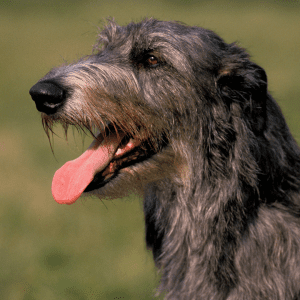
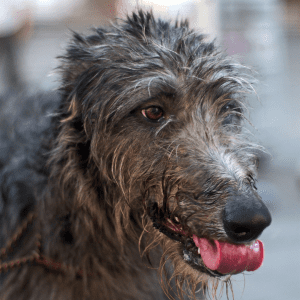
Scottish Deerhounds are tall and slim, with a height range of 28-32 inches at the shoulder and a weight range of 75-110 pounds. They have a long, narrow head with a tapered snout, long neck, deep chest, and a long tail. Their coat is thick and wiry, with a softer undercoat, and comes in various shades of gray and brindle.
Temperament
Scottish Deerhounds are typically gentle and affectionate with their families. They may be reserved or aloof with strangers, but are generally not aggressive. They have a high prey drive and may be prone to chasing smaller animals, so they should always be supervised in off-leash areas. They are also known for their intelligence and independent thinking, which can make training a bit of a challenge.
Exercise and Training
Scottish Deerhounds require daily exercise to keep them healthy and happy. They enjoy running and chasing, so a large fenced yard or access to open fields is ideal. They also benefit from regular walks and playtime with their owners. Training should start early and be consistent, using positive reinforcement methods. Because of their independent nature, they may not always obey commands quickly, but with patience and consistency, they can be trained to be well-behaved companions.
Health Issues
Scottish Deerhounds are generally healthy dogs, but like all breeds, they may be prone to certain health issues. Some of the health issues that may affect Scottish Deerhounds include heart disease, bloat, hip dysplasia, and certain types of cancer. Regular veterinary check-ups and a healthy diet and exercise routine can help minimize the risk of these health issues.
History
Scottish Deerhounds have a long history dating back to ancient times in Scotland. They were originally bred for hunting deer and were prized for their speed, agility, and hunting instincts. Scottish Deerhounds were also popular with Scottish royalty and were often given as gifts to other nobility. Today, Scottish Deerhounds are primarily kept as family pets and show dogs, but they still retain their hunting instincts and make excellent running companions.
Breed Confusion
Scottish Deerhound vs. Irish Wolfhound
The Irish Wolfhound is often confused with the Scottish Deerhound due to their similar appearance and both being large, sighthound breeds; however, the Irish Wolfhound is heavier and taller than the Scottish Deerhound, and they have distinct breed characteristics.
Here’s a comparison and contrast of the two breeds:
Irish Wolfhound
Size:
Irish Wolfhounds are one of the largest dog breeds in the world, typically standing 30 to 35 inches (76 to 89 cm) tall at the shoulder.
They are also heavier, with males weighing between 140 to 180 pounds (64 to 82 kg) or more.
Coat:
Their coat is rough and wiry, with a dense undercoat.
Coat colors can include various shades of gray, brindle, red, black, white, or fawn.
Temperament:
Irish Wolfhounds are known for their gentle and friendly nature, often described as “gentle giants.”
They are generally good with children and other pets and are typically calm and reserved.
Exercise Needs:
Despite their size, they have moderate exercise requirements, enjoying daily walks and playtime.
Due to their rapid growth as puppies, it’s important to avoid excessive exercise during the first year to protect their developing bones.
Lifespan:
The average lifespan of an Irish Wolfhound is around 6 to 8 years, with some living longer.
Scottish Deerhound
Size:
Scottish Deerhounds are also large but slightly smaller than Irish Wolfhounds, standing 28 to 32 inches (71 to 81 cm) at the shoulder.
They are lighter, with males typically weighing between 85 to 110 pounds (39 to 50 kg).
Coat:
Their coat is shaggy, wiry, and rough, but not as dense as the Irish Wolfhound’s coat.
Coat colors commonly include blue-gray, gray brindle, yellow, red fawn, or brindle.
Temperament:
Scottish Deerhounds are known for their dignified and gentle disposition.
They are generally good with children and other dogs, especially when raised with them.
Exercise Needs:
Deerhounds are active dogs and require regular exercise, including opportunities to run freely in a secure area.
Lifespan:
The average lifespan of a Scottish Deerhound is around 8 to 11 years.
In summary, both breeds are large and have gentle temperaments, but Irish Wolfhounds are even larger and heavier, with a rougher coat, while Scottish Deerhounds have a shaggier coat and slightly different exercise needs. Both breeds are known for their noble and loving personalities, making them great choices for families who have the space and commitment to care for these majestic dogs.
FUN FACTS
Here are some fun facts about Scottish Deerhounds:
- Scottish Deerhounds were originally used for hunting red deer, a practice that was reserved for Scottish nobility.
- Scottish Deerhounds are one of the tallest dog breeds in the world, with some individuals reaching up to 32 inches (81 cm) at the shoulder.
- Scottish Deerhounds have been used in crossbreeding programs to develop other sighthound breeds, such as the Borzoi and the Saluki.
- The Scottish Deerhound was recognized as a breed by the American Kennel Club (AKC) in 1886.
- Famous Scottish Deerhound owners include President Franklin D. Roosevelt and General George Armstrong Custer.
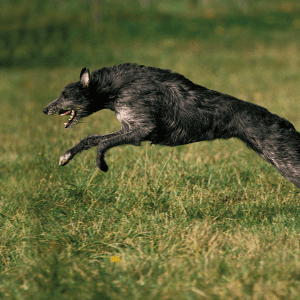
- Scottish Deerhounds have a unique running style, known as a double-suspension gallop, in which all four feet are off the ground twice during each stride.
- In Scotland, it is traditional to give a Scottish Deerhound as a gift to someone of noble status.
- Scottish Deerhounds are known for their calm and gentle demeanor, but they can also be quite playful and silly.
- Scottish Deerhounds have a high tolerance for cold weather, thanks to their thick, shaggy coat.
- Scottish Deerhounds have been used in scientific studies to help researchers better understand the genetics of certain diseases, such as osteosarcoma.
READY TO ADD A SCOTTISH DEERHOUND TO YOUR HOME OR FAMILY?
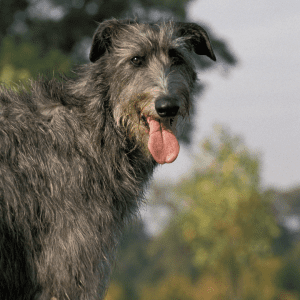
Scottish Deerhounds are gentle giants known for their calm and dignified nature, making them loving and loyal pets for those who appreciate their noble character; however, they require ample space to stretch their long legs and a commitment to regular exercise to keep them happy and healthy.
Before getting a Scottish Deerhound, however, there are several important factors to consider due to the breed’s unique characteristics:
Size: Scottish Deerhounds are one of the tallest dog breeds and can reach heights of up to 32 inches at the shoulder. Ensure that you have enough space to accommodate a large dog comfortably.
Exercise Needs: Deerhounds have moderate exercise needs and enjoy daily walks and opportunities to run in a secure, fenced area. However, they are not overly active dogs and appreciate lounging indoors as well.
Grooming: Their short, wiry coat is relatively low-maintenance, but regular brushing and occasional hand-stripping may be necessary to keep their coat in good condition.
Temperament: Deerhounds are known for their gentle and calm nature. They are typically good with children and other dogs, but early socialization is essential to ensure they are well-adjusted.
Prey Drive: Due to their history as hunting dogs, Scottish Deerhounds may have a strong prey drive. They might be prone to chasing smaller animals, so it’s important to supervise them around small pets.
Training: While they are generally well-mannered, Deerhounds can be somewhat independent and may require patience during training. Positive reinforcement methods work best with this breed.
Health Considerations: Scottish Deerhounds are a relatively healthy breed, but they can be prone to certain conditions such as bloat, dilated cardiomyopathy, and bone cancer. Regular vet check-ups are essential.
Space: Deerhounds are best suited to homes with large, securely fenced yards. Apartments or homes with limited outdoor space may not be ideal for this breed.
Lifespan: Be prepared for the long-term commitment that comes with owning a Deerhound, as they typically have a lifespan of around 8 to 11 years.
Adoption vs. Responsible Breeding: Consider adopting a Deerhound from a rescue organization or responsible breeder who conducts health testing and prioritizes the well-being of their dogs.
Financial Responsibility: Owning a large dog like a Scottish Deerhound can be costly due to expenses like food, grooming, veterinary care, and potential emergency medical bills.
Breed-Specific Legislation: Check your local regulations and homeowners’ association rules, as some areas may have restrictions on owning large dog breeds.
Scottish Deerhounds make wonderful companions for those who have the space, time, and dedication to meet their unique needs. They are known for their gentle and affectionate disposition, making them excellent family pets for the right owners.
Grab your FREE New Puppy Success Guide to help select, prepare for, and train your new puppy!! 

If you are interested in purchasing a Scottish Deerhound, here in the USA, there are a few options available to you:
- Reputable Breeders: The best way to find a healthy and well-bred Scottish Deerhound puppy is through a responsible breeder. Look for breeders who are members of breed clubs such as the Scottish Deerhound Club of America (SDCA) and follow ethical breeding practices. Reputable breeders typically conduct health screenings on their breeding dogs and provide proper care for their puppies. You can search for breeders on the SDCA website or through local breed clubs.
- Rescue Organizations: Consider adopting a Scottish Deerhound from a rescue organization or shelter. While Scottish Deerhounds are not as common in rescue as some other breeds, it’s still worth checking organizations like the Scottish Deerhound Club of America Rescue, as they may have Deerhounds available for adoption.
- National Specialty Shows: Attend national specialty shows and events for Scottish Deerhounds in your area. These events can be an excellent opportunity to meet breeders, exhibitors, and enthusiasts who may be able to guide you in your search.
- Word of Mouth: Ask for recommendations from Scottish Deerhound owners or enthusiasts in your local area or online communities. They may be able to refer you to reputable breeders or rescues.
Scottish Deerhound Puppy Prices
The price of a Scottish Deerhound puppy can vary significantly based on various factors such as breeder reputation, lineage, location, and the puppy’s pedigree. On average, you can expect to pay anywhere from $1,500 to $3,000 USD for a Scottish Deerhound puppy from a reputable breeder. However, prices can be higher if the puppy comes from champion bloodlines or if there is a high demand for this particular breed in your area.
When contacting breeders or rescue organizations, be prepared to ask questions about the puppy’s health, pedigree, socialization, and the breeder’s practices. Visit the breeder or rescue facility if possible to meet the puppy’s parents and assess the living conditions. Responsible breeders and rescues prioritize the well-being of their dogs and puppies and are happy to answer your questions.
Remember that patience is crucial when looking for the right Scottish Deerhound puppy. Avoid purchasing from puppy mills, backyard breeders, or unscrupulous sources, as they may not prioritize the health and welfare of the dogs. Responsible breeding and adoption practices help ensure you bring a happy and healthy puppy into your home.
Remember that your Scottish Deerhound puppy’s needs will evolve as they grow, so regularly assess and update their supplies to accommodate their changing requirements. Consult with your veterinarian for personalized advice on your puppy’s care and specific product recommendations based on their age and health.
Keep in mind that the purchase of any dog is a big decision and responsibility, and it is important to choose a breed that fits your lifestyle and preferences.
SUMMARY
Scottish Deerhound Height: 28-30 inches for females, 30-32 inches for males
Scottish Deerhound Weight: 115-140 lbs for females, 140-180 lbs for males
Scottish Deerhound Colors: Gray, Gray Brindle, Red, Red Brindle, Yellow, Sandy
Scottish Deerhound Temperament: Gentle, Reserved, Calm, Independent, Loyal
Scottish Deerhound Life Expectancy: 8-11 years.
Overall, Scottish Deerhounds make gentle and dignified companions, known for their calm and affectionate nature, making them excellent for those seeking a loyal and noble four-legged friend.
Want some more ways to spread the Scottish Deerhound love?
Follow these hashtags on social media: #ScottishDeerhoundLove #ScottishDeerhoundPuppyLove #ScottishDeerhoundLife #ScottishDeerhoundNation #ScottishDeerhoundLovers #ScottishDeerhoundCommunity #ScottishDeerhoundPride #ScottishDeerhoundLifeStyle #ScottishDeerhoundGoals #ScottishDeerhoundAdventures #ScottishDeerhoundSoulmate #ScottishDeerhoundFur #ScottishDeerhoundBestFriend #ScottishDeerhoundPersonality #ScottishDeerhoundTraining #ScottishDeerhoundFun #ScottishDeerhoundHappy #ScottishDeerhoundCute #ScottishDeerhoundGram #ScottishDeerhoundLifeMoments #Scottish Deerhound of Instagram #DeerhoundLove
Print this FREE Scottish Deerhound Coloring Page!
Connect with us on social media to see more about the Scottish Deerhound!