
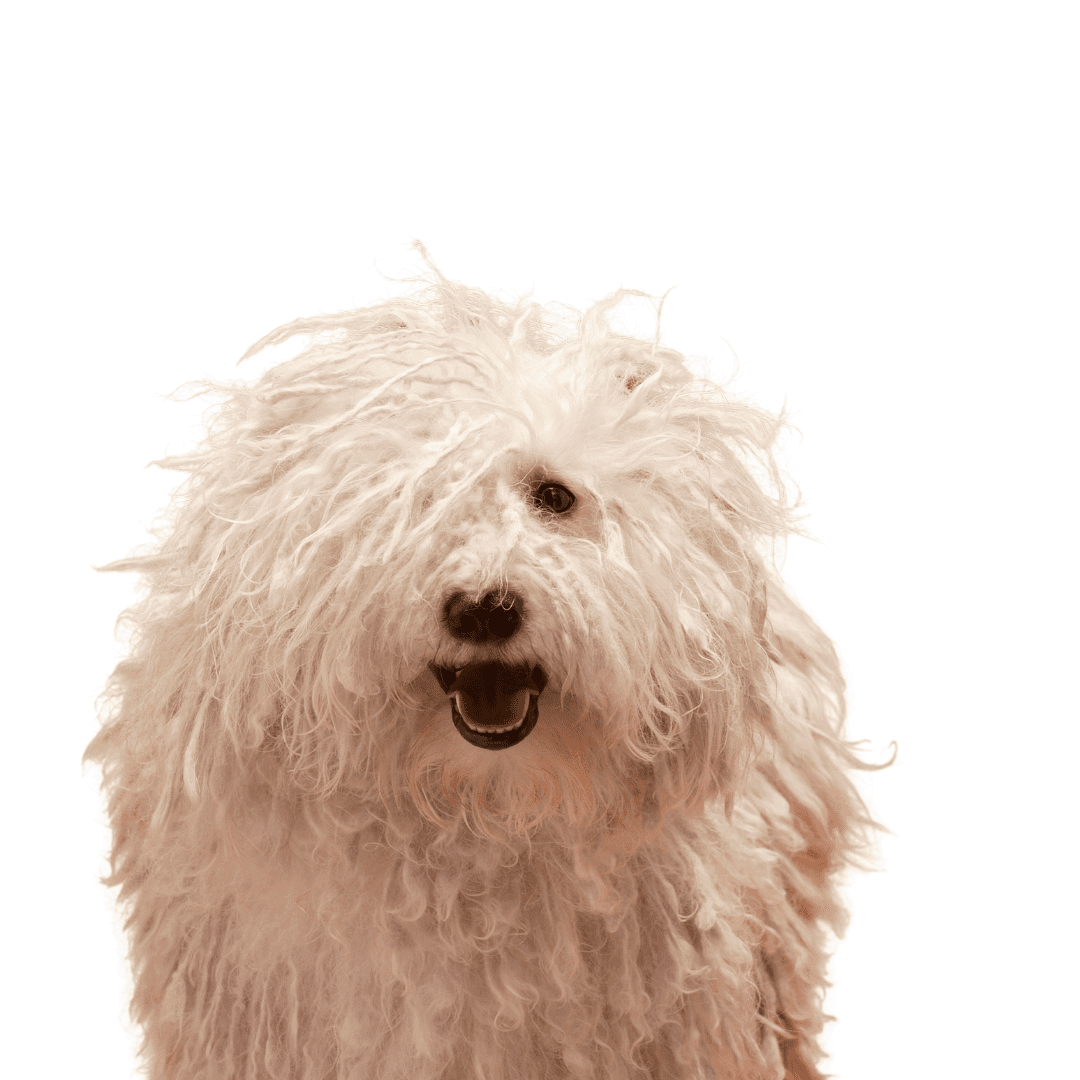

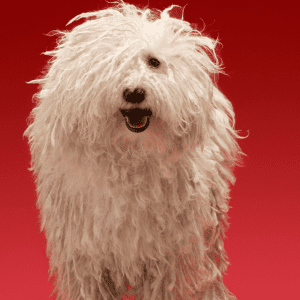
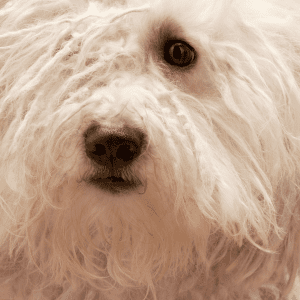
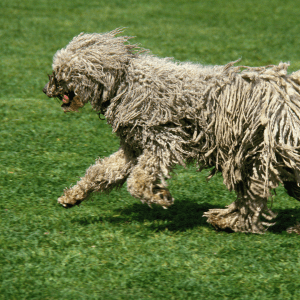
Komondor is a large, muscular breed of dog that originated in Hungary. They are known for their distinctive, corded coat, which is made up of long, matted cords of hair. The cords are formed naturally as the puppy’s coat grows, but they require regular maintenance to prevent matting and ensure their health.
Komondors were originally bred to protect livestock, particularly sheep, from predators such as wolves and bears. As a result, they are extremely loyal and protective of their family and can be wary of strangers. They are also independent thinkers and can be stubborn, so early and consistent training is important.
Komondors are a relatively rare breed and are not well-suited to apartment living. They require a lot of space and regular exercise to stay healthy and happy. They are generally healthy dogs, but can be prone to certain health issues such as hip dysplasia and bloat.
Komondors make devoted and protective companions for experienced dog owners who are prepared to provide them with the care and attention they need.
Here’s some additional information on the Komondor breed:
Appearance
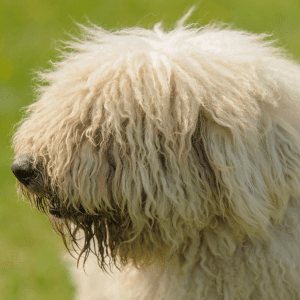
Komondors are large, powerful dogs with a muscular build. They typically weigh between 80 and 120 pounds and stand between 25 and 32 inches tall at the shoulder. Their most distinctive feature is their long, corded coat, which can reach up to 10 inches in length. The coat is typically white or ivory in color, although it can be slightly yellowish or rust-colored.
Temperament
Komondors are loyal and protective dogs that make excellent guardians. They are independent thinkers and can be stubborn at times, but they are also intelligent and respond well to consistent, positive training. They are wary of strangers and can be aggressive towards other dogs, so socialization is important from a young age.
Exercise and Training
Komondors require a lot of exercise to stay healthy and happy. They enjoy long walks and hikes, as well as outdoor playtime in a securely fenced area. They also need regular mental stimulation to prevent boredom and destructive behavior. Training should be consistent, positive, and firm, as Komondors can be strong-willed and difficult to train.
Health
Komondors are generally healthy dogs, but they can be prone to certain health issues such as hip dysplasia, bloat, and eye problems. Regular veterinary check-ups and a healthy diet are important for maintaining their health.
Grooming
The Komondor’s coat requires regular maintenance to prevent matting and ensure their health. The cords should be separated and combed regularly to prevent them from fusing together. Bathing is also important to keep their coat clean and healthy.
History
The Komondor is an ancient breed that originated in Hungary, where they were used to protect livestock from predators. They are closely related to the Puli, another Hungarian herding breed with a corded coat. Komondors were brought to the United States in the 1930s and were recognized by the American Kennel Club in 1937.
Breed Confusion
Komondor vs. Puli
Both the Komondor and the Puli are Hungarian dog breeds known for their corded coats, and they share a similar appearance at first glance.
Here is a comparison and contrast the Komondor and the Puli breeds:
Komondor
Size:
- Komondors are larger dogs, typically weighing between 80 to 100 pounds (36 to 45 kilograms).
- They have a robust and sturdy build.
Coat:
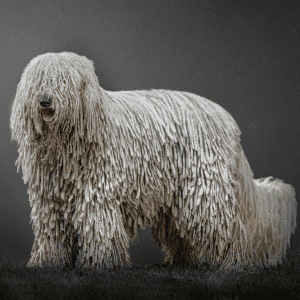
- The most distinguishing feature of the Komondor is its unique corded coat, which consists of long, dense cords that resemble dreadlocks.
- The coat is usually white, which helps them blend in with the sheep they protect.
Historical Role:
- Komondors are renowned livestock guardian dogs with a history of protecting herds from predators, especially sheep and cattle.
Temperament:
- They have a calm, composed, and protective temperament, often forming strong bonds with the livestock they guard.
- They can be reserved and aloof with strangers, displaying strong protective instincts.
Purpose:
- Their primary purpose is guarding and protecting livestock.
- They are known for their independence and self-reliance.
Puli
Size:
- Pulis are smaller in size compared to Komondors, typically weighing around 25 to 35 pounds (11 to 16 kilograms).
- They have a more agile and compact build.
Coat:
- Like the Komondor, Pulis also have a corded coat, but the cords are thinner, more tightly wound, and often resemble a mop.
- Their coat can be various colors, including black, gray, and white.
Historical Role:
- Pulis were originally bred as herding dogs and excel at managing and driving livestock.
- Their corded coat helped protect them from harsh weather conditions while herding in Hungary.
Temperament:
- Pulis are known for their lively, intelligent, and playful temperament.
- They are highly trainable and tend to form strong bonds with their human families.
Purpose:
- Their primary purpose is herding and working with livestock.
- They are more agile and versatile than Komondors, making them well-suited for herding tasks.
In conclusion, both the Komondor and the Puli have corded coats and Hungarian origins, but they serve different historical roles and have distinct temperaments and sizes. Komondors are larger and serve as livestock guardians with a calm and protective demeanor, while Pulis are smaller, herding dogs known for their agility and intelligence.

FUN FACTS
Here are some fun facts about Komondors:
- Komondors were originally bred to protect livestock in Hungary, and they have been doing this job for over 1,000 years.
- The Komondor’s corded coat is not only unique but also serves a functional purpose. The cords help protect the dog from predators by making it difficult for them to bite through the dog’s fur.
- Komondors are often referred to as “mop dogs” due to their mop-like appearance. In fact, they were even featured in a Swiffer commercial!
- Komondors are very protective of their family and have been known to stand between their owners and potential threats, including other animals and even people.
- Komondors have a long history of bravery and heroism. During World War II, a Komondor named Rip was credited with saving the lives of more than 2,500 sheep in Hungary by alerting farmers to approaching danger.
- Komondors are sometimes used as therapy dogs due to their gentle and affectionate nature.
- The first Komondor to win Best in Show at the Westminster Kennel Club Dog Show was a dog named “Carriage Hill’s Brandy Bear” in 1973.
- Komondors are relatively rare in the United States, with only a few hundred puppies registered with the American Kennel Club each year.
READY TO ADD A KOMONDOR TO YOUR HOME OR FAMILY?
The Komondor can be a devoted and protective pet, known for its strong loyalty to its family. However, potential owners should be prepared for their independent nature and the challenges of grooming their distinctive corded coat, as well as providing them with ample space to roam and fulfill their guardian instincts.
Before getting a Komondor, however, there are several important factors to consider:
Space: Komondors are large dogs that require ample space to move around comfortably. They are not well-suited for apartment living and do best in homes with a fenced yard.
Exercise: Despite their imposing appearance, Komondors have moderate exercise needs. Regular walks and playtime are essential, but they are not highly active dogs.
Grooming: The most distinctive feature of the Komondor is its corded coat. Grooming this coat can be a time-consuming and challenging task, requiring regular maintenance to prevent matting and odor.
Training: Komondors are intelligent but can be independent and strong-willed. Early socialization and consistent, positive reinforcement-based training are crucial to ensure they are well-behaved and responsive.
Guardian Instincts: These dogs have a strong protective instinct, which can translate into guarding their family and territory. Proper training is necessary to manage their guarding tendencies and ensure they are well-behaved around strangers.
Socialization: Komondors can be reserved and aloof with strangers. Early and ongoing socialization is vital to ensure they are comfortable and well-adjusted around people and other animals.
Healthcare: Like all dogs, Komondors can be prone to certain health issues, including hip dysplasia and bloat. Be prepared for regular veterinary care and potential medical expenses.
Lifespan: Komondors have a relatively long lifespan, often reaching 10 to 12 years or more. Be prepared for a long-term commitment to their care.
Lifestyle Compatibility: Assess whether a Komondor’s temperament and exercise needs align with your lifestyle and preferences. They are best suited for experienced dog owners who can provide the structure and guidance they require.
Protection Needs: If you’re considering a Komondor primarily as a guardian for your property or livestock, ensure that this breed’s protective instincts align with your needs and that you have appropriate safeguards in place to prevent incidents.
It’s crucial to thoroughly research the breed, speak with reputable breeders or rescue organizations, and evaluate your own ability to meet the specific needs of a Komondor before bringing one into your home. These dogs can be loving and loyal companions, but they require proper care, training, and attention to thrive as pets.
Grab your FREE New Puppy Success Guide to help select, prepare for, and train your new puppy!! 

If you are interested in purchasing a Komondor, here in the USA, there are a few options available to you:
- Reputable breeders: To find a reputable Komondor breeder in the USA, you can start by searching through the American Kennel Club (AKC) marketplace or the Komondor Club of America’s breeder directory. Make sure to choose a breeder with a good reputation, who health tests their breeding dogs, and raises puppies in a clean and healthy environment.
- Rescue organizations: Check with Komondor rescue organizations like the Komondor Rescue Foundation, which specializes in rescuing and rehoming Komondors in need of new homes. Adopting a Komondor from a rescue organization is a wonderful way to provide a loving home to a dog in need.
- Pet shops and online marketplaces: While you might come across Komondors for sale in pet shops or online marketplaces, exercise caution, as these sources may not always provide well-bred or healthy puppies. It is strongly recommended to purchase from a reputable breeder or adopt from a rescue organization to ensure the best possible outcome for both you and the dog.
Komondor Puppy Prices
Komondor puppies’ prices can vary significantly depending on various factors such as the breeder’s reputation, the bloodline of the puppy, its pedigree, location, and whether the puppy is intended for pet quality or show purposes.
On average, a Komondor puppy from a reputable breeder may cost anywhere between $1,000 to $3,000 or more in the United States. Show-quality puppies, those coming from champion bloodlines or with exceptional pedigrees, may be at the higher end of this price range or even more expensive.
Remember to consult with your veterinarian for specific product recommendations and guidance tailored to your Komondor puppy’s needs. Additionally, always prioritize safety and choose products that are appropriate for your puppy’s age and size.
Keep in mind that the purchase of any dog is a big decision and responsibility, and it is important to choose a breed that fits your lifestyle and preferences.
SUMMARY
Komondor Height: 25-27.5 inches
Komondor Weight: 80-100 lbs.
Komondor Colors: White
Komondor Temperament: Protective, Independent, Loyal, Calm, Gentle
Komondor Life Expectancy: 10-12 years.
Overall, the Komondor makes a devoted and protective companion, known for its loyalty and calm, watchful nature, making it an excellent choice for those seeking a loving and vigilant four-legged friend.
Want some more ways to spread Komondor love?
Follow these hashtags on social media: #Komondor #Komondors #KomondorLove #KomondorLife #KomondorPride #KomondorGram #KomondorClub #KomondorWorld #HungarianDog #KomondorCorner #DogsofHungary #KomondorPersonality #KomondorCommunity #KomondorTales #AdorableKomondors #DogBreeds #KomondorObsessed #KomondorLove #KomondorGang #DoggoLife #KomondorNationUnite #KomondorForever #KomondorAdventures #KomondorLife #KomondorDaily #KomondorFamily #WorkingDog
Print this FREE Komondor Coloring Page!
Connect with us on social media to see more about the Komondor!