


The Puli dog breed is an ancient one that has been used for herding and guarding livestock in Hungary for centuries. Also known as the Hungarian Puli, they were first recognized by the American Kennel Club (AKC) in 1936, and have since become a popular breed in the United States and other countries. Today, Pulis are used not only for herding but also for agility, obedience, and as beloved family pets.
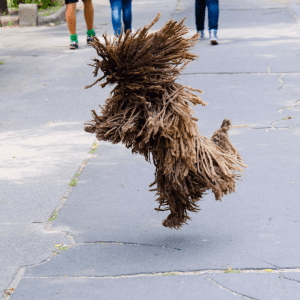
The Puli is known for its distinctive coat of long, corded hair, which helps protect it from harsh weather conditions while herding sheep or cattle.
Pulis are highly intelligent and energetic dogs that require a lot of exercise and mental stimulation to keep them happy and healthy. They are also known for their loyalty and affectionate nature towards their owners, making them great family pets for those who are willing to provide them with the necessary care and attention.
Puli Meaning
In addition to referring to the breed of dog, “Puli” is also a Hungarian word that can have several meanings depending on the context. Here are a few possible meanings of the word “Puli” in Hungarian:
- To pull: “Puli” can be a verb meaning to pull or tug on something.
- Ball: “Puli” can also refer to a ball or sphere-shaped object.
- Police: In some contexts, “Puli” can be a slang term for the police in Hungarian.
- Dust: “Puli” can also mean dust or fine particles in Hungarian.
It’s worth noting that these are just a few possible meanings of the word “Puli” in Hungarian, and the meaning can vary depending on the context and the specific usage of the word.

Puli Size & Appearance
Pulis are medium-sized dogs, typically weighing between 22-35 pounds and standing 14-18 inches tall at the shoulder. They have a muscular build and their coat is naturally corded, forming long, rope-like dreadlocks that can reach the ground if left untrimmed. The coat can come in various colors, including black, white, gray, and cream.
The Puli’s coat is unique in the dog world, and it takes about two years for the cords to fully form. The cords can weigh up to 10 pounds, and require a lot of maintenance to keep them clean and tangle-free.
Puli Dog Temperament
Pulis are known for their intelligence, independence, and loyalty. They are highly trainable and eager to please their owners, but can also be stubborn and strong-willed at times.
They have a protective instinct and will bark to alert their owners of any potential danger. Pulis can be wary of strangers, but with proper socialization from a young age, they can learn to be friendly towards unfamiliar people and animals.
They also need daily exercise and mental stimulation to prevent boredom and destructive behavior.

Puli Dog Grooming
Grooming a Puli dog requires some special considerations due to their unique coat. The Puli’s coat is long and naturally forms cords, which can become quite dense and heavy if not properly maintained. Here are some tips for grooming a Puli dog:
- Brush regularly: While the Puli’s coat is not supposed to be brushed in the traditional sense, it is still important to regularly separate the cords and remove any debris or tangles. This can be done using a slicker brush or a comb designed for corded coats.
- Bathe as needed: Pulis are generally a clean breed and do not require frequent bathing, but when they do need a bath, it is important to use a high-quality dog shampoo that will not damage the cords.
- Dry thoroughly: After bathing or getting wet, it is important to thoroughly dry a Puli coat to prevent mildew or odors from developing in the cords.
- Trim as needed: While the cords should not be cut or trimmed, the hair around the face, feet, and tail may need to be trimmed to prevent matting or tangling.
- Check for mats: It’s important to regularly check a Puli’s coat for mats or tangles, which can become uncomfortable or even painful for the dog. If mats are found, they should be carefully teased apart with a comb or scissors.
Grooming a Puli dog requires patience and dedication, but with proper care, their unique and striking coat can be kept healthy and beautiful. It’s also important to note that while the cords may look like they require a lot of maintenance, the Puli is actually a relatively low-shedding breed, which can be a plus for allergy sufferers.
Puli Health & Lifespan
Pulis can be prone to certain health issues, such as hip dysplasia and eye problems, so it’s important to keep up with regular veterinary check-ups.
The average lifespan of a Puli dog is typically between 10 to 15 years. However, just like any other breed, the lifespan of a Puli can vary depending on various factors such as genetics, diet, exercise, and overall health care. Providing a healthy and active lifestyle, routine veterinary checkups, and proper nutrition can help increase the lifespan of a Puli.

Breed Confusion
Puli Dog vs. Komondor
The Puli and the Komondor are two Hungarian herding dog breeds that are often mistaken for each other due to their similar appearance. However, there are some differences between these two breeds that can help distinguish them:
Appearance:
- Puli: The Puli is a medium-sized dog breed with a distinctive corded coat that comes in several colors, including black, gray, and white. They have a square-shaped head with a long, narrow muzzle and their ears are usually dropped. They have a muscular, sturdy body that is about 16-17 inches tall and weighs around 25-35 pounds.
- Komondor: The Komondor is a large dog breed with a corded coat that is usually white. They have a large, powerful head with a broad muzzle and their ears are usually dropped. They have a muscular, stocky body that is about 27-30 inches tall and weighs around 80-100 pounds.
Temperament:
- Puli: The Puli is known for being active, playful, and loyal to their owners. They are also intelligent and trainable, but can be independent and strong-willed. They may be wary of strangers, but are generally friendly and social.
- Komondor: The Komondor is known for being calm, independent, and protective. They are loyal to their owners, but can be reserved or even aggressive towards strangers. They are also intelligent and trainable, but may be stubborn at times.
Health:
- Puli: The Puli is generally a healthy breed, but can be prone to some health issues such as hip dysplasia, eye problems, and allergies.
- Komondor: The Komondor is also generally a healthy breed, but can be prone to some health issues such as hip dysplasia, ear infections, and bloat.
Grooming:
- Puli: The Puli requires regular grooming to maintain their distinctive corded coat. This involves separating the cords regularly and preventing matting or tangling. They also need occasional trimming to maintain their shape.
- Komondor: The Komondor also requires regular grooming to maintain their corded coat. This involves separating the cords regularly and preventing matting or tangling. They also need occasional trimming to maintain their shape.
FUN FACTS
Here are some fun and lesser-known facts about Pulis
- Pulis were used by Hungarian shepherds to guard their flocks at night. The dogs would sleep in the fields with the sheep, and their dark coats would blend in with the sheep, making it difficult for predators to spot them.
- Pulis have a natural herding instinct, and they may try to herd other animals or even people if they are not given proper training.
- The Puli is considered a national treasure in Hungary, and is featured on Hungarian postage stamps.
- Pulis have a long history of working with humans, and they are known for their ability to sense and respond to their owner’s moods and emotions.
- The Puli’s name comes from the Hungarian word “pulik”, which means “flock”.
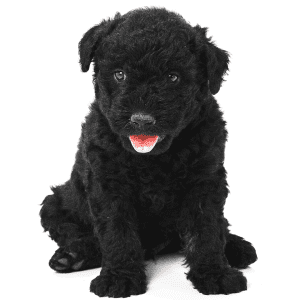
- Despite their unique appearance, Pulis are actually born with a smooth, fluffy coat. The cords begin to form at around 9-12 months of age.
- The Puli is closely related to the Komondor, another Hungarian breed with a corded coat. However, the Komondor’s cords are longer and thicker than the Puli’s.
- Pulis were used as messenger dogs during World War II, delivering messages between soldiers in the field.
- In Hungary, there is an annual Puli race called the “Pulikamion”, where Pulis race around a track pulling small carts.
- The Puli has a special talent for climbing, and can easily scale fences and walls if not properly contained.
READY TO ADD A PULI DOG TO YOUR HOME OR FAMILY?
Before getting a Puli, there are several things to consider to ensure that this breed is the right fit for your lifestyle and living situation:
Exercise Needs: Pulis are an active and energetic breed that require daily exercise and mental stimulation. They thrive in an environment where they can run, play, and engage in activities like obedience training, agility, and herding. Consider if you have the time and energy to provide enough exercise and activities to keep your Puli mentally and physically stimulated.
Grooming Requirements: The Puli’s distinctive corded coat requires a significant amount of maintenance, including regular grooming and drying time. Consider if you have the time, resources, and willingness to take on this grooming responsibility.
Training and Socialization: Like all breeds, Pulis need proper training and socialization to become well-behaved and well-adjusted pets. They may be independent and strong-willed, so consistency and positive reinforcement training are essential.
Living Space: Pulis can adapt to various living situations, but they require ample space to move around and exercise. They may not be suitable for small apartments or homes without a yard. Consider if your living situation can accommodate a medium-sized, active breed.
Health Issues: Like all breeds, Pulis can be prone to certain health issues, such as hip dysplasia, eye problems, and allergies. Ensure that you are willing and able to provide routine veterinary care and address any potential health concerns.
By considering these factors and doing thorough research, you can determine if a Puli is the right breed for you and provide a loving and fulfilling home for your furry companion.
Grab your FREE New Puppy Success Guide to help select, prepare for, and train your new puppy!! 

If you’re interested in purchasing a Puli puppy in the United States, it’s important to do your research and find a reputable breeder. Here are some resources to help you in your search:
- Puli Club of America – This organization maintains a list of Puli breeders in the United States who have agreed to follow their code of ethics.
- American Kennel Club (AKC) – The AKC also maintains a breeder referral list, which you can search by breed and location.
- Online marketplaces – While it’s important to be cautious when purchasing a puppy online, there are some reputable marketplaces that can connect you with breeders. Examples include PuppySpot and Puppies.com.
- Local Puli rescue organizations – If you’re interested in adopting a Puli rather than purchasing a puppy, consider reaching out to local rescue organizations such as the Puli Rescue Foundation or your local animal shelter.
DON’T FORGET TO CHECK OUT OUR PULI 101 VIDEO ON YOUTUBE!!

Puli Puppy Prices
When it comes to the price of a Puli, it can vary depending on factors such as the breeder’s reputation, location, lineage, and the dog’s quality. On average, you can expect to pay between $1,500 to $3,000 for a Puli puppy from a reputable breeder.
If you’re considering adopting a Puli, you can also check with rescue organizations or shelters that may have Pulis available for adoption. Adoption fees for rescue dogs are typically lower and can range from around $200 to $500. These fees usually cover basic veterinary care, vaccinations, and sometimes spaying/neutering.
Remember to always do your research and ask plenty of questions before making a purchase. A responsible breeder should be willing to answer your questions and provide information about the health and temperament of their dogs.
Keep in mind that the purchase of any dog is a big decision and responsibility, and it is important to choose a breed that fits your lifestyle and preferences.
SUMMARY
Puli Dog Height: 14-19 inches
Puli Dog Weight: 18-29 lbs. For females, 20-35 lbs. For males
Puli Dog Colors: Black, Rusty Black, Gray, White, Cream
Puli Dog Temperament: Active, Loyal, Protective, Independent, Intelligent
Puli Dog Life Expectancy: 10-15 years.
Overall, the Puli is a loyal and affectionate companion who thrives on human attention and makes a great pet for those who have the time and patience to meet their unique needs.
Want some more ways to spread the Puli love?
Follow these hashtags on social media: #Puli #PuliDog #PuliLife #PuliLove #PuliNation #PuliPride #PuliCorner #PuliOfInstagram #PuliLovers #PuliObsessed #PuliAdventures #PuliFun #PuliWorld #PuliDogsofIG #PuliDogs #PuliFamily #PuliClub #PuliPuppy #PuliCuteness #PuliLifeStyle #PuliTrend #PuliMoments #PuliMagic #PuliParty #PuliPower #PuliPersonality #PuliPicnic #PuliPack #PuliBliss #PuliLoveStory #PuliLifeJourney #PuliAdorable #PuliLoveAndAdventure #PuliFur #PuliPerfectionist #PuliLifeGoals #PuliCute #PuliLifestyle #PuliDogLove #PuliDogLife
Print this FREE Puli Coloring Page!
Connect with us on social media to see more about the Puli Dog!