

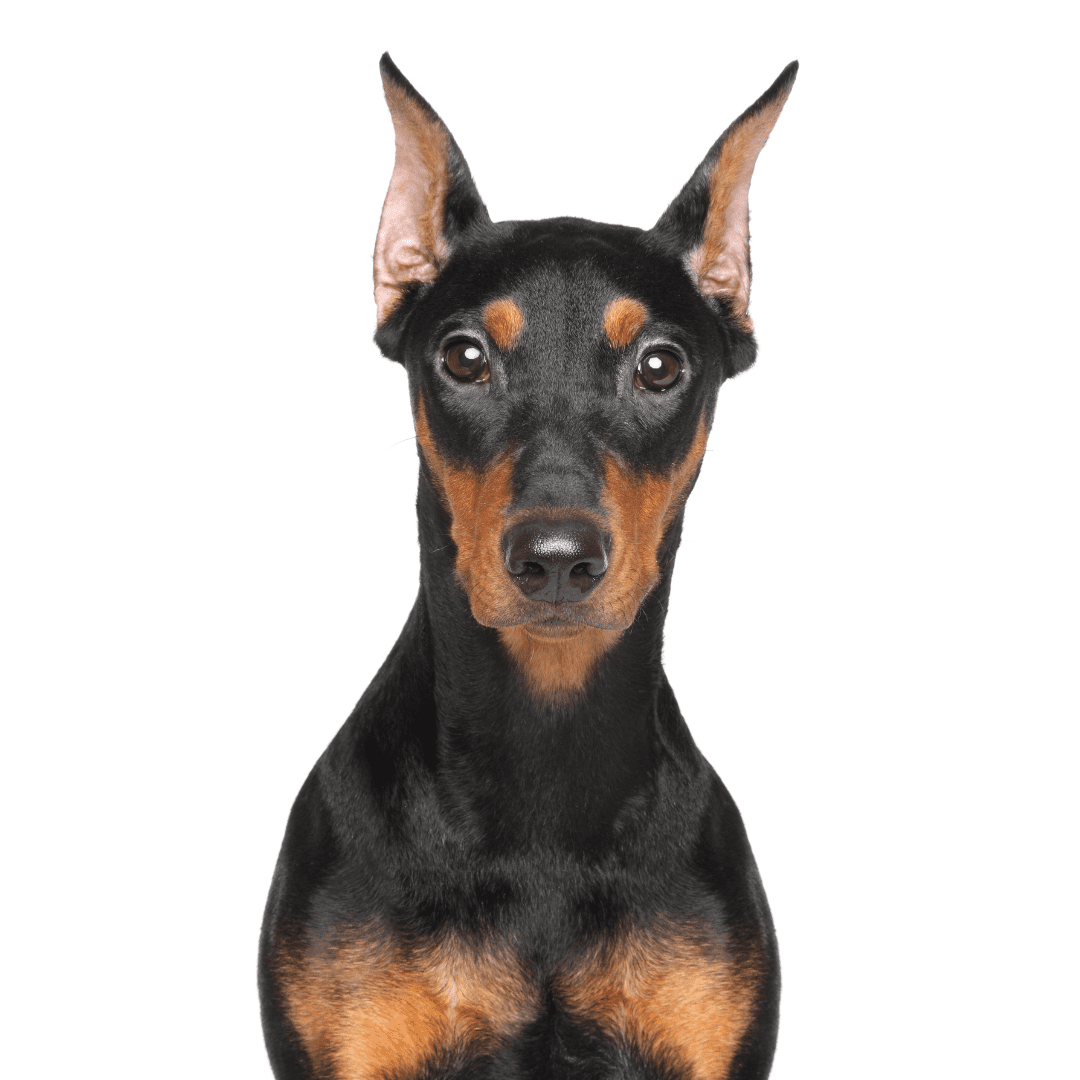

The German Pinscher is a medium-sized dog breed that originated in Germany. It is a breed that was developed to be a versatile working dog, capable of tasks such as guarding property and hunting small game.
German Pinschers have a short, smooth coat that can be black, blue, brown, or fawn in color. They have a sleek, muscular build and are known for their agility and endurance. They typically weigh between 25 and 45 pounds and stand 17 to 20 inches tall at the shoulder.
This breed is known for being intelligent, confident, and lively. They are loyal to their owners and make good watchdogs. They can be aloof with strangers but are generally friendly with people they know.
German Pinschers require regular exercise and mental stimulation to keep them healthy and happy. They can do well in a variety of living situations, but they do best in homes with a yard and an active owner who can provide plenty of exercise and attention.
The German Pinscher is a beautiful and intelligent breed that can make a great companion for the right owner.
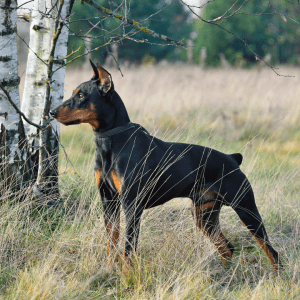
Here are some additional information about the German Pinscher breed:
History
The German Pinscher is a very old breed that has been around since at least the 17th century. It was developed from a variety of other breeds, including the Miniature Pinscher and the Doberman Pinscher. The breed was primarily used as a farm dog and ratter in Germany, and it nearly became extinct after World War II. However, dedicated breeders managed to save the breed and it has since gained popularity as a family companion and working dog.
Temperament
German Pinschers are known for their confidence, intelligence, and loyalty. They are energetic and require plenty of exercise and mental stimulation to prevent boredom and destructive behavior. They are generally good with children and other animals, but early socialization and training are important to prevent any potential issues.
Training
German Pinschers are intelligent and eager to please, but they can be stubborn at times. Positive reinforcement training methods, such as using treats and praise, work well with this breed. Consistency and patience are key when training a German Pinscher.
Health
German Pinschers are generally healthy dogs, but like all breeds, they are prone to certain health conditions. Some of the health issues that can affect this breed include hip dysplasia, progressive retinal atrophy, and von Willebrand disease. Regular veterinary checkups and a healthy diet can help prevent or catch these issues early on.
Grooming
The German Pinscher has a short, smooth coat that is easy to maintain. Weekly brushing with a soft bristle brush will help keep their coat clean and shiny. They only need to be bathed when necessary, and their nails should be trimmed regularly.
Activity Level
German Pinschers are active dogs that require plenty of exercise and mental stimulation. They enjoy going on walks, runs, and hikes, and they do well in dog sports such as agility and obedience. They are not recommended for apartment living, as they need plenty of space to run and play.
The German Pinscher is a loyal and intelligent breed that can make a great companion for an active owner. With proper training and socialization, they can do well in a variety of living situations and make a great addition to any family.
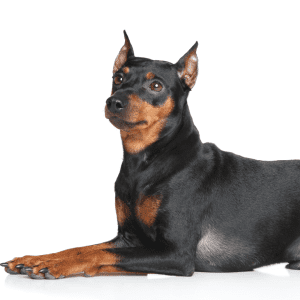
Breed Confusion
German Pinscher vs. Miniature Pinscher
Despite the similar-sounding name and some physical resemblances, these two breeds are distinct from each other. Here are some key differences:
German Pinscher
Size:
- German Pinschers are medium-sized dogs.
- They typically stand around 17 to 20 inches tall at the shoulder.
- Weight ranges from 25 to 45 pounds.
Coat:
- They have a smooth, short coat that lies close to their body.
- Common coat colors include black and tan, red, blue, and fawn.
Temperament:
- German Pinschers are known for their loyalty and protective nature.
- They can be reserved with strangers but are devoted to their families.
- They make excellent watchdogs due to their alertness and protective instincts.
- They are intelligent, confident, and require consistent training and socialization.
Ears:
- German Pinschers typically have natural, upright ears.
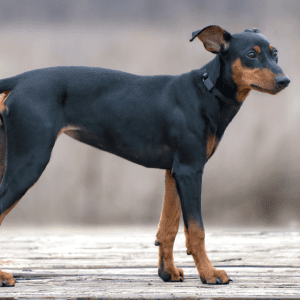
Miniature Pinscher
Size:
- Miniature Pinschers are small dogs.
- They usually stand around 10 to 12.5 inches tall at the shoulder.
- Weight ranges from 8 to 12 pounds.
Coat:
- They have a sleek, smooth coat that can have a glossy appearance.
- Most commonly seen in black and tan, but they can also be red.
Temperament:
- Miniature Pinschers are lively, playful, and confident.
- They are known for their high energy and spirited nature.
- They can be strong-willed and require early training and socialization.
- They are affectionate with their families and can be protective despite their small size.
Ears:
- Miniature Pinschers often have their ears cropped to stand erect, though ear cropping is subject to regulations and personal preference.
Commonalities:
- Both breeds are intelligent and require mental stimulation.
- They have a sleek, short coat that is relatively low-maintenance.
- Both breeds are active and need regular exercise.
- They can be wary of strangers and make good watchdogs.
Differences:
- Size: German Pinschers are larger, while Miniature Pinschers are much smaller.
- Temperament: German Pinschers are more protective and loyal, whereas Miniature Pinschers are known for their playfulness and spirited nature.
- Ears: German Pinschers usually have natural ears, while Miniature Pinschers often have cropped ears.
In conclusion, while German Pinschers and Miniature Pinschers may share some physical characteristics and are both intelligent and alert, they differ significantly in size, temperament, and specific traits. Your choice between the two should be based on your preferences, lifestyle, and ability to meet their unique needs.
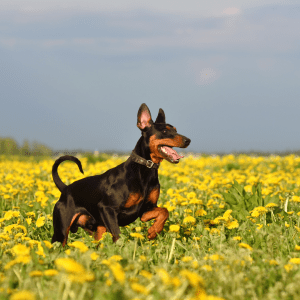
FUN FACTS
Here are some fun or little-known facts about German Pinschers:
- German Pinschers are known for their “pincer” bite, which means they can grasp and hold onto their prey with their teeth.
- German Pinschers were one of the first breeds to be used as police and military dogs in Germany.
- The German Pinscher was recognized by the American Kennel Club in 2003.
- The breed nearly went extinct after World War II, but a group of breed enthusiasts worked to revive the breed in the 1950s.
- German Pinschers have been used for a variety of tasks throughout their history, including ratting, guarding property, and serving as watchdogs.
- German Pinschers are sometimes mistaken for Miniature Pinschers or Doberman Pinschers, but they are a distinct breed with their own unique characteristics.
- German Pinschers are sometimes called the “Middle Pinscher” because of their size, which falls between that of the Miniature Pinscher and the Doberman Pinscher.
- German Pinschers are known for being escape artists and can climb, jump, and dig their way out of enclosures if they are not properly secured.
- German Pinschers have a high prey drive and may not be suitable for households with small pets such as cats or rabbits.
- The German Pinscher was originally bred to be an all-purpose farm dog that could catch rats, guard the property, and serve as a general watchdog.
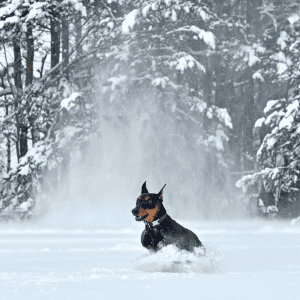
READY TO ADD A GERMAN PINSCHER TO YOUR HOME OR FAMILY?
The German Pinscher makes an excellent pet for experienced dog owners seeking a loyal and protective companion. With their intelligence and alert nature, they thrive in homes where they receive consistent training and socialization, forming a strong bond with their family.
Before getting a German Pinscher, however, several important factors should be considered:
Activity Level: German Pinschers are highly active dogs that require regular exercise and mental stimulation. Prospective owners should be prepared for daily walks, playtime, and opportunities for the dog to release their energy.
Training and Socialization: German Pinschers are intelligent but can be strong-willed. Owners should commit to consistent, positive reinforcement training and early socialization to ensure they are well-behaved and comfortable around people and other animals.
Space: These dogs do well in various living environments, but they benefit from having enough space to move around. A secure fenced yard is ideal, especially given their protective instincts.
Time Commitment: German Pinschers thrive on companionship and can suffer from separation anxiety if left alone for extended periods. Prospective owners should have the time to spend with their dog and not leave them isolated for long hours.
Grooming: While their short coat is relatively low-maintenance, regular grooming, including brushing and nail trimming, is still necessary for their overall health and well-being.
Costs: Owning a dog comes with financial responsibilities, including food, veterinary care, grooming, and potential training or behavioral assistance. Prospective owners should budget for these expenses.
Family and Lifestyle: Consider whether a German Pinscher fits your family dynamic and lifestyle. They can be protective and may not be the best choice in households with very young children or elderly individuals.
Allergies: Ensure that no one in the household is allergic to dogs, as German Pinschers do shed, albeit moderately.
Breeder or Rescue: If acquiring a German Pinscher from a breeder, research reputable breeders with a focus on the health and well-being of the dogs. Alternatively, consider adopting one from a rescue organization.
Longevity: German Pinschers have a relatively long lifespan of around 12 to 15 years, so potential owners should be prepared for a long-term commitment.
Before bringing a German Pinscher into your life, it’s crucial to thoroughly research the breed, assess your own lifestyle and capabilities, and ensure that you can provide a loving and suitable home for this active and loyal companion.
Grab your FREE New Puppy Success Guide to help select, prepare for, and train your new puppy!! 

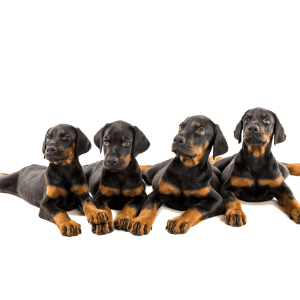
If you are interested in purchasing a German Pinscher, here in the USA, there are a few options available to you:
- German Pinscher Club of America (GPCA): Start by visiting the official website of the German Pinscher Club of America (GPCA). This organization often maintains a list of reputable breeders who adhere to the breed’s standards and ethical breeding practices. You can find breeder referrals on their website or contact them directly for recommendations.
- Online Breeder Directories: You can also use online breeder directories and databases like the American Kennel Club (AKC) Marketplace breeder directory. These directories list breeders who are associated with these reputable kennel clubs and often follow ethical breeding guidelines.
- Ask for Recommendations: Reach out to local dog clubs, trainers, and veterinarians. They may have recommendations for reputable German Pinscher breeders in your area.
- Attend Dog Shows and Events: Attend dog shows and events in your region, as responsible breeders often participate in these activities. It’s an excellent way to meet breeders in person, see their dogs, and ask questions about their breeding practices.
DON’T FORGET TO CHECK OUT OUR GERMAN PINSCHER 101 VIDEO ON YOUTUBE!!

German Pinscher Puppy Prices
German Pinscher puppies in the United States typically ranged in price from $800 to $3,000 USD. However, prices can vary significantly based on several factors including the pedigree, breeder reputation, location, the puppy’s lineage, health clearances, and whether the puppy is meant for pet quality or for showing/breeding purposes.
Remember that responsible breeders may have waiting lists for their puppies, so be prepared to wait for the right puppy from a reputable source. It’s essential to do your due diligence to ensure you are getting a healthy and well-cared-for puppy.
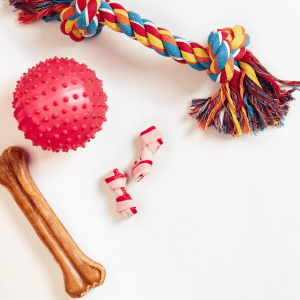
Remember that each puppy is unique, so you may need to adjust your product selections based on your puppy’s specific needs and preferences. Regular vet check-ups and consultations with your veterinarian will also guide you in providing the best care for your German Pinscher puppy.
Keep in mind that the purchase of any dog is a big decision and responsibility, and it is important to choose a breed that fits your lifestyle and preferences.
SUMMARY
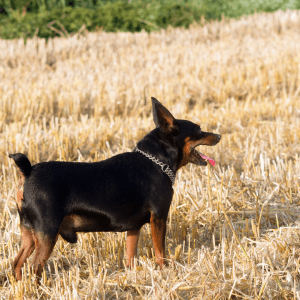
German Pinscher Height: 17-20 inches
German Pinscher Weight: 25-45 lbs.
German Pinscher Colors: Black and Tan, Red, Blue and Tan, Fawn and Tan
German Pinscher Temperament: Energetic, Alert, Intelligent, Loyal, Confident
German Pinscher Life Expectancy: 12-14 years.
Overall, the German Pinscher makes an excellent companion with its loyal and protective nature, coupled with an energetic spirit that keeps them ready for adventures with their human family.
Want some more ways to spread the German Pinscher love?
Follow these hashtags on social media: #germanpinscher #germanpinschersofinstagram #germanpinscherlove #germanpinscherpuppy #germanpinscherlife #germanpinscherworld #germanpinschersofig #germanpinscheroftheday #germanpinscherlovers #germanpinschercorner #germanpinschercommunity #germanpinscheraddict #germanpinscherclub
Print this FREE German Pinscher Coloring Page!
Connect with us on social media to see more about the German Pinscher!