


The Nova Scotia Duck Tolling Retriever, often simply called the “Toller,” is a medium-sized sporting breed of dog that originated, as you might guess, in the Canadian province of Nova Scotia. The breed was developed in the early 19th century to help lure and retrieve waterfowl for hunters.
Tollers are highly intelligent, energetic, and affectionate dogs that make great companions for active families. They are known for their webbed feet, water-repellent double coats, and their unique hunting technique of “tolling” – luring ducks and other waterfowl closer to the hunter by running, jumping, and playing near the water’s edge.
Tollers are often described as “big dogs in a small package” because they are compact, but powerful and athletic. They typically weigh between 35 and 50 pounds and stand around 18-21 inches tall at the shoulder.
Tollers are highly trainable and excel in a variety of activities, including hunting, obedience, agility, and flyball. They are also great family pets and get along well with children and other pets when socialized properly. However, they do require plenty of exercise and mental stimulation to keep them happy and healthy.

Here’s some additional information about the Nova Scotia Duck Tolling Retriever:
Appearance
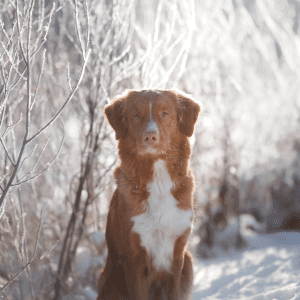
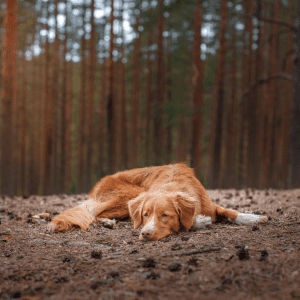
Tollers have a distinctive appearance, with a deep chest, muscular neck, and a tapered tail that is often held high. They have a dense, water-repellent double coat that comes in shades of red, ranging from golden to dark copper. The breed’s distinctive expression is often described as “intelligent” or “witty,” with bright, alert eyes and a fox-like appearance.
Temperament
Tollers are known for their outgoing and friendly personalities. They are generally good-natured and make excellent family pets. However, they can be reserved or cautious around strangers, and early socialization is important to prevent shyness or fearfulness. Tollers are also highly active and need plenty of exercise to stay healthy and happy. They are intelligent and trainable, but can be stubborn at times, so positive reinforcement training methods are recommended.
Health
Tollers are generally considered a healthy breed, but like all dogs, they can be prone to certain health issues. Some common health concerns include hip dysplasia, elbow dysplasia, eye disorders, and autoimmune diseases. Responsible breeders will screen their breeding stock for these and other health issues before breeding.
Grooming
Tollers require regular grooming to keep their coats healthy and shiny. Their thick, double coats shed seasonally, so they will need more frequent brushing during these times. Bathing should be done as needed, and regular nail trimming and ear cleaning is important to prevent infections.
If you are considering a Nova Scotia Duck Tolling Retriever as a pet, it is important to do your research and find a reputable breeder or rescue organization. Tollers are a wonderful breed, but they require a lot of time, attention, and exercise, so they may not be the best fit for every household.

Breed Confusion
Nova Scotia Duck Tolling Retriever vs. Golden Retriever
The Nova Scotia Duck Tolling Retriever and the Golden Retriever are both retriever breeds, but they have distinct differences in terms of size, appearance, temperament, and purpose. Here’s a comparison and contrast between these two breeds:
Size
Nova Scotia Duck Tolling Retriever (Toller): Tollers are smaller in size, typically weighing between 35 to 50 pounds. They stand around 17 to 21 inches tall at the shoulder.
Golden Retriever: Golden Retrievers are larger, weighing between 55 to 75 pounds on average. They are taller, typically standing 21.5 to 24 inches at the shoulder.
Appearance
Toller: Tollers have a distinctive, vibrant reddish coat with white markings. They have a bushy tail and a fox-like appearance. Their coat is water-resistant and relatively easy to maintain.
Golden Retriever: Golden Retrievers are known for their luscious, golden to cream-colored coats. They have a muscular build, a broad head, and a distinctive feathery tail. Their dense double coat requires regular grooming.
Temperament
Toller: Tollers are highly intelligent, alert, and active dogs. They are known for their playfulness and enthusiasm. They are loyal to their families but can be reserved around strangers. Tollers are excellent hunters and often excel in dog sports like agility and obedience.
Golden Retriever: Golden Retrievers are friendly, gentle, and outgoing dogs. They are known for their affable and easygoing nature. They are excellent family dogs and are often described as reliable and obedient. Goldens are also used in various roles, including as therapy and assistance dogs.

Purpose
Toller: Tollers were originally bred for hunting waterfowl. They are known for their unique “tolling” behavior, which involves luring and retrieving ducks within gunshot range. They remain an active and skilled hunting breed in some regions.
Golden Retriever: Golden Retrievers were also initially bred for retrieving waterfowl but have since become more versatile. They are used in various roles, including as hunting dogs, search and rescue dogs, therapy dogs, and as family companions.
Exercise Needs
Toller: Tollers are highly active and require regular exercise, including daily walks and mental stimulation. They thrive in environments where they can engage in physically demanding activities.
Golden Retriever: Golden Retrievers are also active and need regular exercise, including daily walks and playtime. They enjoy being with their families and participating in outdoor activities.
Both the Nova Scotia Duck Tolling Retriever and the Golden Retriever are wonderful breeds in their own right, but they may be better suited to different lifestyles and preferences. While Tollers are known for their hunting skills and alertness, Golden Retrievers are renowned for their friendly and gentle nature, making them versatile family companions and working dogs.
FUN FACTS
Here are some fun facts about the Nova Scotia Duck Tolling Retriever:
- The breed’s unusual name comes from their unique hunting technique, which involves “tolling” or luring ducks closer to the hunter by playing and jumping on the shore.
- Tollers have a unique “scream” or “yodel” that they use to communicate with their owners. This sound is often mistaken for a bark or a howl.
- Tollers are sometimes called the “little red dogs” or “Tollers” for short.
- Tollers are excellent swimmers and have webbed feet, which help them to propel themselves through the water.
- The breed was developed in the early 19th century by crossing various breeds, including retrievers, spaniels, and setters.
- Tollers are one of the few breeds that have a natural affinity for hunting in water.
- Tollers are intelligent and trainable and excel in a variety of activities, including agility, obedience, and hunting trials.
- Tollers have been known to live up to 16 years or more, which is longer than many other breeds of similar size.
- Tollers are known for their expressive faces and their ability to communicate with their owners through a range of vocalizations and body language.
- Tollers are a relatively rare breed, with only a few thousand registered with the AKC each year.

READY TO ADD A NOVA SCOTIA DUCK TOLLING RETRIEVER TO YOUR HOME OR FAMILY?
The Nova Scotia Duck Tolling Retriever makes an excellent pet for active individuals or families who enjoy outdoor activities and mental stimulation for their dog. With their intelligence, playfulness, and loyalty, Tollers can be affectionate and devoted companions, but they require regular exercise and mental challenges to thrive.
Before getting a Nova Scotia Duck Tolling Retriever (Toller), however, several factors should be carefully considered:
Exercise Needs: Tollers are highly active dogs and require a significant amount of exercise and mental stimulation. Be prepared for daily walks, playtime, and engaging activities to keep them happy and healthy.
Space: Tollers do best in homes with access to a secure, fenced yard where they can safely run and play. Apartment living can be challenging without ample exercise opportunities.
Training: Tollers are intelligent and eager to please but can be independent thinkers. They benefit from consistent and positive reinforcement-based training and early socialization to ensure they are well-behaved.
Grooming: Tollers have a double coat that requires regular brushing to prevent matting, especially during shedding seasons. Be prepared for routine grooming and occasional baths.
Health Considerations: Like all breeds, Tollers can be prone to specific health issues, including hip dysplasia, eye conditions, and autoimmune disorders. Ensure you choose a reputable breeder who screens for genetic health problems.
Time and Attention: Tollers thrive on human interaction and can become anxious or bored if left alone for extended periods. They are a breed that loves being with their family.
Hunting Instincts: While many Tollers are kept as family pets, they retain their natural hunting instincts. Be mindful of their strong prey drive and potential to chase small animals.
Barking: Tollers can be vocal and may bark to alert you or communicate their needs. Training can help manage excessive barking.
Water Activities: Many Tollers have a strong affinity for water due to their retrieving heritage. If you have access to water, they may enjoy swimming and fetching.
Lifestyle Compatibility: Consider if your lifestyle aligns with the Toller’s need for activity and mental stimulation. They thrive with active individuals or families who enjoy outdoor adventures.
Long-Term Commitment: Tollers have a lifespan of about 12 to 14 years on average. Ensure you are ready for the long-term commitment and responsibility of caring for a dog throughout their life.
Breed Rescue: Consider adopting a Toller from a rescue organization, which can be a rewarding way to provide a home to a dog in need.
Before bringing a Nova Scotia Duck Tolling Retriever into your home, it’s crucial to thoroughly research the breed, talk to breeders, rescue organizations, or Toller owners, and assess whether your lifestyle can meet the dog’s physical and emotional needs. Proper care and attention can result in a loving and rewarding relationship with this intelligent and energetic breed.
Grab your FREE New Puppy Success Guide to help select, prepare for, and train your new puppy!! 

If you are interested in buying a Nova Scotia Duck Tolling Retriever, here in the USA, there are a few options available to you:
- When looking to purchase a Nova Scotia Duck Tolling Retriever (Toller) in the USA, it’s essential to do so from a reputable source to ensure the health and well-being of the dog. Here are some options for finding a Toller:
- Reputable Breeders: Look for breeders who are registered with the Nova Scotia Duck Tolling Retriever Club (NSDTRC) or other recognized breed clubs. Reputable breeders prioritize the health, temperament, and genetic testing of their dogs. You can find a list of breeders on the NSDTRC’s website or through referrals from Toller clubs and organizations.
- Breed Club Resources: Contact the Nova Scotia Duck Tolling Retriever Club of USA (NSDTRC-USA) for information on breeders, upcoming litters, and available Tollers. They often have breeder directories and can assist you in finding a responsible breeder.
- Rescue Organizations: Consider adopting a Toller from a rescue organization or shelter. There are breed-specific rescues, such as the NSDTRC Rescue, that occasionally have Tollers in need of homes.
- Online Pet Adoption Platforms: Be cautious when using online platforms to purchase a Toller, as there are many scams and unethical breeders online. However, some legitimate websites, such as the American Kennel Club (AKC) Marketplace, may list breeders who meet certain standards.
DON’T FORGET TO CHECK OUT OUR NOVA SCOTIA DUCK TOLLING RETRIEVER 101 VIDEO ON YOUTUBE!!

Nova Scotia Duck Tolling Retriever Puppy Prices
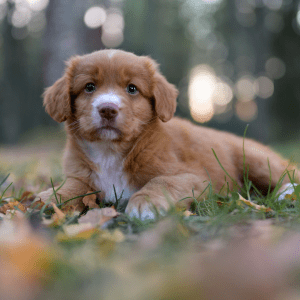
On average, the cost of a Nova Scotia Duck Tolling Retriever puppy from a reputable breeder can range from $1,500 to $3,000 USD. Show-quality or puppies from champion bloodlines might be on the higher end of this price range or even more expensive.
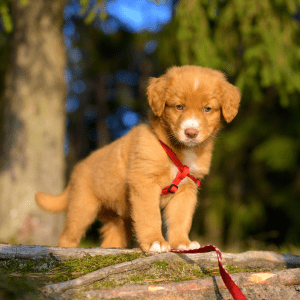
Remember that Toller puppies are active and intelligent, so they require mental stimulation, exercise, and proper training to thrive. Providing the right products and guidance will help ensure a smooth transition into your home and set the foundation for a well-adjusted adult Toller.
Keep in mind that the purchase of any dog is a big decision and responsibility, and it is important to choose a breed that fits your lifestyle and preferences.
SUMMARY
Nova Scotia Duck Tolling Retriever Height: 17-20 inches for females, 18-21 inches for males
Nova Scotia Duck Tolling Retriever Weight: 35-42 lbs for females and 45-52 lbs for males
Nova Scotia Duck Tolling Retriever Colors: Toller Red
Nova Scotia Duck Tolling Retriever Temperament: Intelligent, Energetic, Playful, Alert, Affectionate
Nova Scotia Duck Tolling Retriever Life Expectancy: 12-14 years.
Overall, the Nova Scotia Duck Tolling Retriever makes an exceptional companion with its intelligence, boundless energy, and unwavering loyalty, offering not only a playful and loving presence but also a versatile partner in outdoor adventures.
Want some more ways to spread the Nova Scotia Duck Tolling Retriever love?
Follow these hashtags on social media: #NSDTRetriever #NSDTR #DuckTollingRetriever #DuckDog #TollerLove #TollerLife #TollerPride #TollerCorner #TollerNation #TollerAdventures #TollerFun #TollerWorld #TollersofIG #TollerDogs #TollerFamily #TollerClub #TollerPuppy #TollerCuteness #TollerLifeStyle #TollerCommunity
Print this FREE Nova Scotia Duck Tolling Retriever Coloring Page!
Connect with us on social media to see more about the Nova Scotia Duck Tolling Retriever!