


The Pomeranian dog is a toy breed that originated from the Pomerania region, which is now part of Germany and Poland. They are known for their small size, fluffy coat, and lively personality.
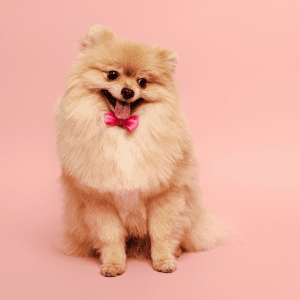
They have a thick double coat that can come in a variety of colors including white, black, brown, orange, and cream. Pomeranians are highly social and affectionate dogs, and they make great companions for people who are looking for a small, friendly dog.
Pomeranians are also known for their intelligence, and they can be trained to perform a variety of tricks and tasks.
However, they can be stubborn at times, and training should be done with patience and consistency. They also have a tendency to bark excessively, so it is important to provide them with enough exercise and mental stimulation to prevent boredom and excessive barking.
Here is some more information about Pomeranians:
Origin
Pomeranians, often referred to as “Poms,” are named after the Pomerania region in present-day Poland and Germany, where they were originally larger sled-pulling and working dogs. Over time, breeders selectively bred them down in size to create the small companion dogs we know today.
Size
Pomeranians are a small breed, typically weighing between 3 to 7 pounds and standing 7 to 12 inches tall at the shoulder. They are classified as a toy breed.
Coat
Pomeranians have a double coat, with a soft, dense undercoat and a longer, straight or slightly wavy outer coat. Their fur is known for its fluffiness and often requires regular grooming to prevent matting.
Colors
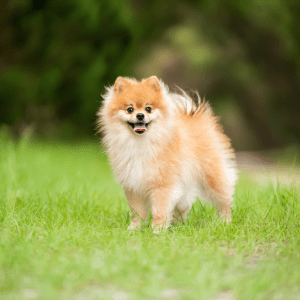
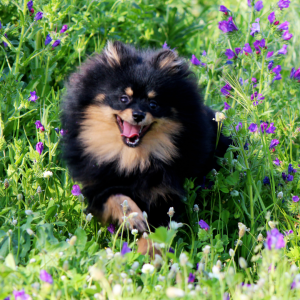
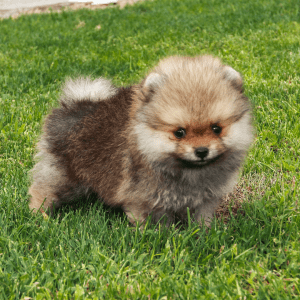
Pomeranians come in a wide variety of coat colors, including orange, cream, black, blue, chocolate, sable, merle, and more. They often have distinctive facial markings and a plume-like tail that arches over their back.
Personality
Pomeranians are known for their lively and extroverted personalities. They are often described as being confident, alert, and curious. Despite their small size, they can be quite bold and may not hesitate to stand their ground when they feel threatened.
Intelligence
Pomeranians are intelligent dogs and can be trained to perform various tricks and commands. However, they can be a bit stubborn, so consistent and patient training is essential.
Exercise Needs
Pomeranians are an active breed and require regular exercise to keep them physically and mentally stimulated. Daily walks, playtime, and interactive toys can help fulfill their exercise needs.
Health
Like all dog breeds, Pomeranians are susceptible to certain health issues. These may include dental problems, joint issues, patellar luxation (kneecap dislocation), eye problems, and tracheal collapse due to their small size. Responsible breeding practices and regular veterinary check-ups can help mitigate these risks.
Lifespan
Pomeranians typically have a lifespan of 12 to 16 years, although some can live longer with proper care.
Care and Grooming
Pomeranians require regular grooming to maintain their coat’s health and appearance. They shed year-round but may have heavier shedding periods seasonally. Brushing a few times a week and regular baths are usually necessary. Additionally, dental care is crucial due to their susceptibility to dental issues.
Socialization
Proper socialization from a young age is essential for Pomeranians to ensure they are well-adjusted and comfortable around people and other animals.
Pomeranians make excellent companions for individuals or families looking for a small, energetic, and affectionate dog. However, potential owners should be prepared for the grooming requirements and be committed to providing proper care and training for their Pomeranian.
Breed Confusion
Pomeranian vs. American Eskimo Dog vs. Schipperke
Several dog breeds are often confused with Pomeranians due to similar size, coat characteristics, or physical features. Some of the breeds that are commonly mistaken for Pomeranians include:
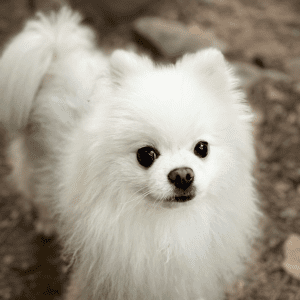
American Eskimo Dog: American Eskimo Dogs are slightly larger than Pomeranians but share a similar fluffy white coat and fox-like face. They are often confused with white Pomeranians, especially when seen from a distance.
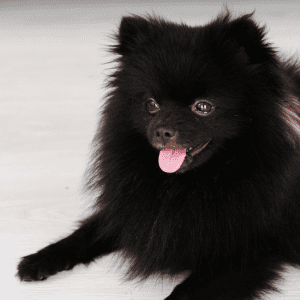
Schipperke: Schipperkes are small black dogs with erect ears, which can lead to confusion with black Pomeranians. However, Schipperkes typically have a sleeker coat and a different body shape.
Pomeranians, American Eskimo Dogs, and Schipperkes are three distinct dog breeds, each with its unique characteristics.
Here’s a comparison and contrast of these three breeds:
Pomeranian
Size: Pomeranians are small dogs, typically weighing between 3 to 7 pounds and standing 7 to 12 inches tall at the shoulder. They are classified as toy-sized dogs.
Coat: Pomeranians have a double coat with a soft, dense undercoat and a longer, straight, or slightly wavy outer coat. Their fur is known for its fluffiness and requires regular grooming.
Temperament: Pomeranians are lively, extroverted, and often bold dogs. They can be confident and independent but are usually affectionate and loyal to their owners.
Exercise Needs: Pomeranians are active dogs that require daily exercise, including short walks and playtime. They have a lot of energy for their size.
Trainability: Pomeranians are intelligent but can be somewhat stubborn, making consistent and patient training essential.
Grooming: Pomeranians require frequent grooming due to their dense double coat. Regular brushing, occasional baths, and professional grooming are necessary to maintain their coat.
American Eskimo Dog (Eskie)
Size: American Eskimo Dogs come in three size varieties: Toy (9-12 inches tall), Miniature (12-15 inches tall), and Standard (15-19 inches tall). Standard Eskies can weigh up to 35 pounds.
Coat: Eskies have a double coat with a thick, plush undercoat and a longer, straight outer coat. Their coat is typically white or biscuit cream and requires regular grooming.
Temperament: Eskies are intelligent, alert, and friendly dogs. They are known for their playful and social nature, making them good with families. They can be reserved around strangers but are not typically aggressive.
Exercise Needs: Eskies are active dogs that enjoy regular exercise, including daily walks, play sessions, and mental stimulation.
Trainability: Eskies are intelligent and eager to please, making them relatively easy to train. They respond well to positive reinforcement techniques and enjoy learning new tricks.
Grooming: Eskies need regular grooming to prevent matting and to keep their coat clean and healthy. Their coat sheds seasonally, requiring extra care during shedding periods.
Schipperke
Size: Schipperkes are small black dogs with erect ears, typically standing around 10-13 inches tall at the shoulder and weighing between 10 to 16 pounds.
Coat: Schipperkes have a dense, short, and straight black coat with a distinctive ruff around the neck. Their coat is relatively easy to maintain.
Temperament: Schipperkes are known for their lively, curious, and independent nature. They are alert and make excellent watchdogs. They can be reserved around strangers and are known for their boldness.
Exercise Needs: Schipperkes are active and require regular exercise, including daily walks and playtime. They have a lot of energy and need mental stimulation.
Trainability: Schipperkes are intelligent but can be somewhat stubborn and independent. They require consistent training and socialization from a young age.
Grooming: Schipperkes have relatively low grooming needs compared to the other two breeds. Regular brushing and occasional baths are usually sufficient to keep their coat in good condition.
In summary, Pomeranians are the smallest of the three breeds and have a fluffy coat. American Eskimo Dogs are available in various sizes and have a similar fluffy coat, while Schipperkes are small, have a sleek black coat, and are known for their independent nature. All three breeds require regular exercise, grooming, and training to be happy, healthy companions.
FUN FACTS
Here are some fun facts about Pomeranians:
- Pomeranians were once much larger and were used as sled dogs in the Arctic region. They were bred down in size to become companion dogs.
- The famous scientist Isaac Newton was said to have owned a Pomeranian named Diamond.
- Pomeranians have been popular among royalty throughout history, including Queen Victoria of England, who was a well-known Pomeranian lover.
- The breed has a high prey drive and will often chase small animals, including birds, squirrels, and rabbits.
- Pomeranians are one of the few dog breeds that come in a wide range of colors, including black, white, brown, orange, cream, blue, and sable.
- Pomeranians are known for their distinctive “fox-like” appearance, with their pointy ears and fluffy fur.
- Despite their small size, Pomeranians have a reputation for being brave and fearless. They will often bark at much larger dogs and animals without backing down.
- Pomeranians are sometimes referred to as “velcro dogs” because of their strong attachment to their owners.
- Pomeranians are highly adaptable and can live in a wide range of environments, from busy city apartments to rural countryside homes.
READY TO ADD A POMERANIAN TO YOUR HOME OR FAMILY?
Pomeranians make delightful and affectionate pets, known for their charming personalities and loyal nature. Despite their small size, they often have a big, bold presence in their owner’s lives, making them cherished companions for those who appreciate their spirited and loving demeanor.
Before getting a Pomeranian as a pet, however, there are several important factors to consider:
Size and Space: Pomeranians are small dogs, making them well-suited for apartment living, but they still need enough space to move around and play.
Grooming Requirements: Their thick double coat requires regular brushing and occasional professional grooming to prevent matting and maintain their appearance.
Exercise Needs: Pomeranians are active dogs and need daily exercise, including walks and playtime, to keep them physically and mentally stimulated.
Training: Consistent and patient training is necessary, as Pomeranians can be stubborn. Early socialization is essential to ensure they are well-behaved around other dogs and people.
Health Care: Be prepared for potential health issues common in the breed, including dental problems, joint issues, and eye conditions. Regular veterinary check-ups are essential.
Time and Attention: Pomeranians are social dogs that require a lot of attention and companionship. They thrive on human interaction and can become anxious or bored if left alone for long periods.
Noise Level: Pomeranians are known for their tendency to bark, which can be a consideration if you live in close quarters or have noise restrictions.
Lifespan: Pomeranians have a relatively long lifespan, often living into their teens. Be prepared for a long-term commitment to your pet’s care and well-being.
Allergies: Check for allergies among family members, as Pomeranian dander can trigger allergies in some individuals.
Costs: Consider the costs associated with dog ownership, including food, grooming, vet bills, and potential unexpected expenses.
Compatibility: Assess whether a Pomeranian’s temperament and energy level align with your lifestyle and family dynamics.
It’s crucial to research and thoroughly understand the responsibilities and demands of Pomeranian ownership to ensure that it’s the right fit for you and your family. Proper care and attention can lead to a rewarding and loving relationship with your Pomeranian companion.
Grab your FREE New Puppy Success Guide to help select, prepare for, and train your new puppy!! 

If you are interested in buying a Pomeranian, here in the USA, there are a few options available to you:
- Reputable Breeders: Consider buying from a responsible Pomeranian breeder who is registered with national or regional breed clubs. These breeders prioritize the health and well-being of their dogs and adhere to ethical breeding practices. You can find reputable breeders through breed club websites, referrals from other Pomeranian owners, or dog shows.
- Animal Shelters and Rescue Organizations: Many Pomeranians are in need of loving homes and can be found in animal shelters or rescue organizations. Adopting from a shelter or rescue is a compassionate option and can provide a forever home to a dog in need. Websites like Petfinder and Adopt-a-Pet can help you find Pomeranians available for adoption.
- Local Breed Clubs: Pomeranian breed clubs often have resources and referrals to reputable breeders in your area. Contacting these clubs can be a good way to find a Pomeranian.
- Online Pet Adoption Platforms: Be cautious when using online platforms to purchase a Pomeranian, as there are many scams and unethical breeders online. However, some legitimate websites, such as the American Kennel Club (AKC) Marketplace or the Pomeranian Club of America’s website, may list breeders who meet certain standards.
- Local Veterinarians and Pet Professionals: Your local veterinarian or pet professionals, such as groomers and trainers, may have information about reputable breeders or Pomeranians in need of homes.
DON’T FORGET TO CHECK OUT OUR POMERANIAN 101 VIDEO ON YOUTUBE!!

Pomeranian Puppy Prices
The price range for Pomeranian puppies can vary widely based on several factors, including breeder reputation, lineage, location, coat color, size, and overall quality. On average, Pomeranian puppies from reputable breeders can cost anywhere between $500 to $5,000 or even more, depending on these aforementioned factors.
When considering a Pomeranian, it’s important to ask potential breeders or adoption organizations questions about the dog’s health, pedigree, socialization, and any available health records. Ensure that the breeder or organization provides proper documentation and health guarantees for the dog. Remember that responsible breeding and ethical practices are essential for the health and well-being of the Pomeranian breed.
Remember that the specific products you need may vary depending on your Pomeranian’s age, health, and individual needs. Regular vet check-ups and consultations with a professional groomer can also help you determine the best products for your Pomeranian’s care.
Keep in mind that the purchase of any dog is a big decision and responsibility, and it is important to choose a breed that fits your lifestyle and preferences.
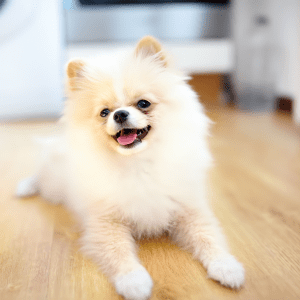
SUMMARY
Pomeranian Height: 7-12 inches
Pomeranian Weight: 3-7 lbs.
Pomeranian Colors: Orange, Cream, Black, Blue, Chocolate, Sable, Merle, Parti-Color, Tan Points, Wolf Sable, Beaver, and Lavender
Pomeranian Temperament: Lively, Alert, Extroverted, Confident, Affectionate
Pomeranian Life Expectancy: 12-16 years.
Overall, Pomeranians make wonderful companions with their small size, lively personalities, and unwavering loyalty to their owners
Want some more ways to spread the Pomeranian love?
Follow these hashtags on social media: #Pomeranian #Pom #PomPom #Pommy #PomeranianWorld #PomeranianLove #PomeranianPride #PomeranianLife #PomeranianNation #PomeranianCommunity #PomeranianClub #PomeranianLovers #PomeranianCorner
Print this FREE Pomeranian Coloring Page!
Connect with us on social media to see more about the Pomeranian!