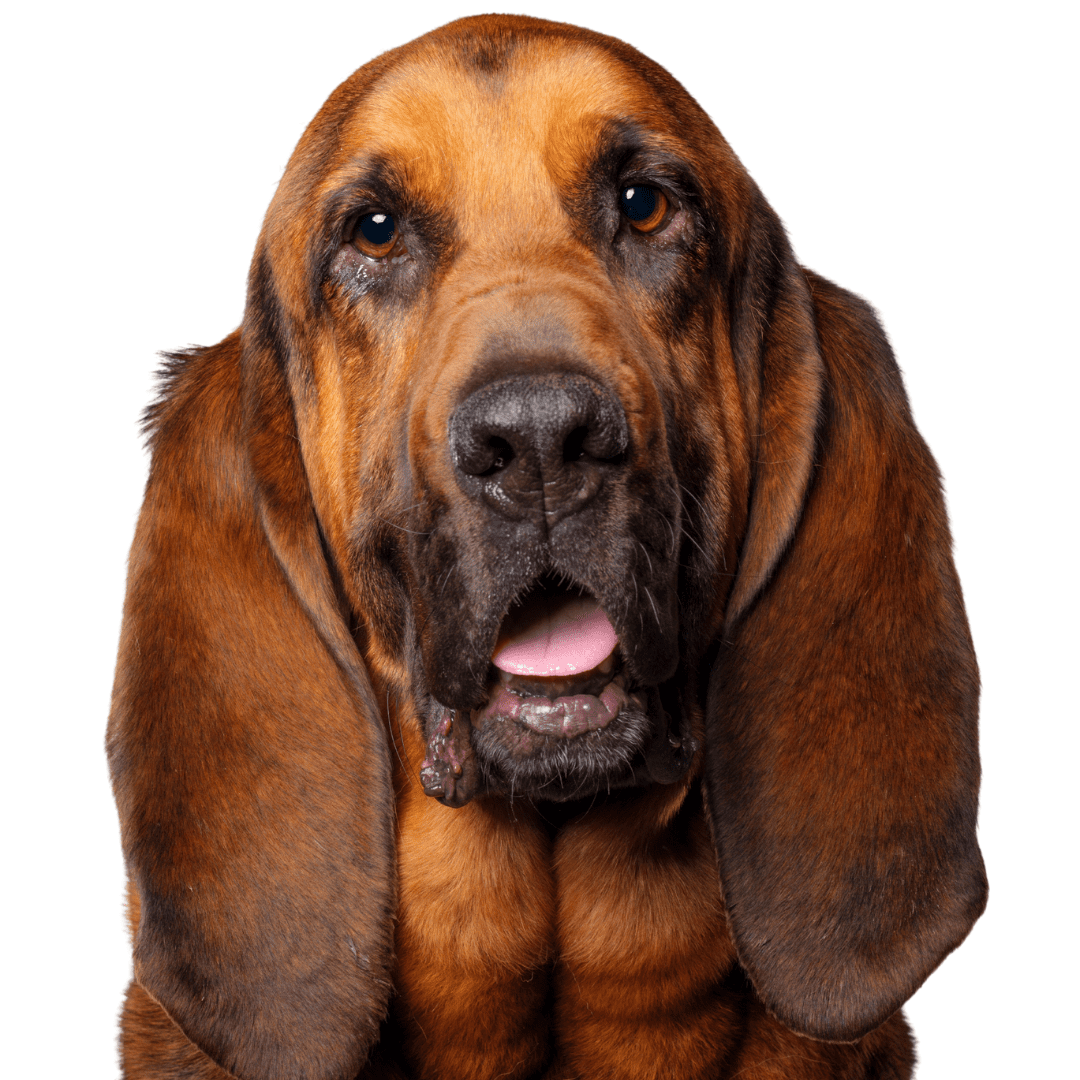

Bloodhound is a type of dog breed known for its keen sense of smell and tracking ability. The breed is a sighthound, which means they are bred for speed and agility and were originally used for hunting game such as deer and wild boar.
Bloodhounds are famous for their ability to track scents over long distances and are often used by law enforcement agencies to track missing persons or fugitives.
Bloodhounds are large dogs, typically weighing between 80 and 110 pounds and standing between 23 and 27 inches tall at the shoulder.
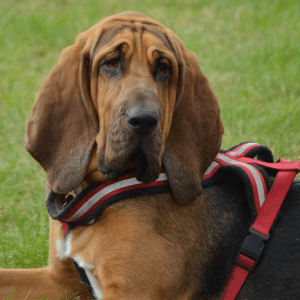
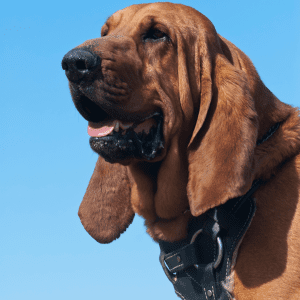
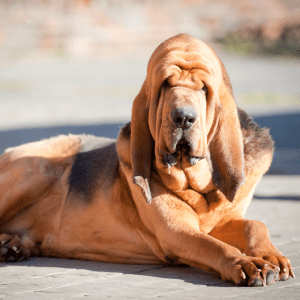
They have long, droopy ears and wrinkled skin, and their coat is short and usually comes in shades of black and tan, liver and tan, or red.
Bloodhounds are known for their gentle and affectionate nature and make excellent family pets, although they do require plenty of exercise and space to run around.
Here’s some more interesting information about Bloodhounds:
History
The Bloodhound breed is believed to have originated in Belgium, where monks in the Middle Ages bred them for hunting. They were later brought to England, where they were refined into the breed we know today. Bloodhounds were originally used for hunting deer, but their excellent sense of smell made them well-suited for tracking humans as well.
Sense of Smell
Bloodhounds have one of the best senses of smell of any dog breed. They have about 300 million scent receptors in their nose (compared to just 5 million in humans), and their olfactory lobe, the part of the brain that processes scents, is proportionally larger than in any other animal. This makes them highly skilled at tracking scents over long distances.
Training
Bloodhounds are intelligent dogs, but they can be stubborn and independent, which can make training a challenge. They respond well to positive reinforcement techniques and should be trained using reward-based methods. Because of their strong tracking instincts, Bloodhounds may be prone to following their noses and wandering off, so they should always be kept on a leash or in a securely fenced yard.
Health
Like all dog breeds, Bloodhounds can be prone to certain health problems. These can include hip dysplasia, bloat, ear infections (due to their long, floppy ears), and skin infections (due to their wrinkles). Potential owners should make sure to research the breed’s health issues and choose a reputable breeder who screens their dogs for genetic conditions.
Breed Confusion
Bloodhound vs. Basset Hound
The Basset Hound is a breed that is often confused for the Bloodhound due to their similar physical appearance, including long ears, droopy skin, and a keen sense of smell.
Here is a comparison and contrast between the Bloodhound and the Basset Hound:
Appearance:
- Bloodhound: The Bloodhound is a large breed with a noble and imposing appearance. They have loose, wrinkled skin, long droopy ears, and a distinctive wrinkled forehead. They have a powerful and muscular build, and their coat is short and dense.
- Basset Hound: The Basset Hound is a medium-sized breed with a long body and short legs. They have loose skin, long ears that hang down, and a sad, droopy expression. They have a sturdy and heavy build, and their coat is short and dense.
Temperament:
- Bloodhound: Bloodhounds are known for their gentle and affectionate nature. They are typically calm, patient, and easygoing. They are also determined and independent thinkers, which can make training a bit challenging. They are friendly towards people, including children, and can get along well with other dogs.
- Basset Hound: Basset Hounds have a friendly and laid-back temperament. They are known for being good-natured, loyal, and generally get along well with people and other pets. They are also known for their stubborn streak, which can require patient and consistent training.
Exercise and Energy Level:
- Bloodhound: Bloodhounds are active dogs that require regular exercise to keep them mentally and physically stimulated. They have a moderate energy level and enjoy daily walks or playtime in a securely fenced area.
- Basset Hound: Basset Hounds are relatively low-energy dogs. While they do benefit from regular exercise, they are not as active as some other breeds. They are prone to becoming overweight, so monitoring their food intake and providing moderate exercise is important.
Grooming:
- Bloodhound: Bloodhounds have a short and dense coat that requires minimal grooming. Regular brushing to remove loose hair and occasional bathing are usually sufficient to keep their coat in good condition.
- Basset Hound: Basset Hounds also have a short and dense coat that is relatively low maintenance. They are average shedders and require regular brushing to keep their coat clean and free from tangles.
Health:
- Bloodhound: Bloodhounds are generally a healthy breed but are prone to certain health issues, including hip and elbow dysplasia, bloat, ear infections, and certain eye conditions.
- Basset Hound: Basset Hounds are also generally healthy but can be prone to health issues such as hip dysplasia, obesity, ear infections, and certain eye conditions.
Overall, both the Bloodhound and the Basset Hound are known for their friendly and affectionate nature. While the Bloodhound is larger and more active, the Basset Hound is a bit smaller and has a more laid-back demeanor. Both breeds require attention to their unique grooming needs and potential health issues.
FUN FACTS
Here are some fun or little-known facts about Bloodhounds:
- The name “Bloodhound” comes from the breed’s use in tracking game by following a “blood trail” left by wounded prey.
- Bloodhounds have been known to track scents over distances of up to 130 miles!
- Bloodhounds have a unique look, with their droopy jowls and wrinkled skin. These physical features help to trap and hold scent particles, making it easier for the dog to track a scent.
- Bloodhounds are so good at tracking scents that they have been used in court as evidence. In some cases, a Bloodhound’s tracking abilities have been deemed admissible in court as proof of guilt or innocence.
- Bloodhounds have been used to track the scent of missing persons or fugitives for centuries, but they have also been used to track lost pets, including cats!
- Bloodhounds are often described as “velcro dogs” because they love to be close to their owners and will follow them around wherever they go.
- The Guinness World Record for the longest ears on a dog was held by a Bloodhound named Tigger, whose ears measured 13.75 inches and 13.5 inches long.
- Despite their large size, Bloodhounds are known for their gentle and laid-back temperament. They are typically good with children and make excellent family pets.
- In addition to their tracking abilities, Bloodhounds have also been used for search and rescue work, as well as in therapy and service dog roles.
READY TO ADD A BLOODHOUND TO YOUR HOME OR FAMILY?
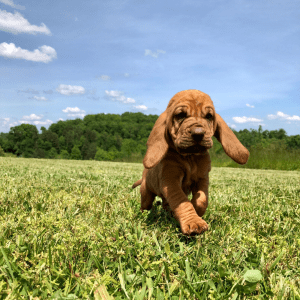
Bloodhounds make loving and loyal pets, known for their gentle and affectionate nature towards their family. They have an exceptional sense of smell and tracking ability, making them excellent working dogs as well as devoted companions.
If you’re considering getting a Bloodhound, here are some things you should consider first:
Exercise: Bloodhounds are active dogs and require daily exercise to stay healthy and happy. They enjoy long walks or runs, and they also love to play. However, they should always be kept on a leash or in a securely fenced area, as their strong tracking instincts can lead them to wander off.
Grooming: Bloodhounds have short hair that sheds moderately, so they require minimal grooming. They should be brushed regularly to remove loose hair and prevent matting, and their ears should be cleaned weekly to prevent infections. Bloodhounds are prone to drooling, so owners may want to keep a towel handy to wipe their mouths.
Training: Bloodhounds can be stubborn and independent, so early socialization and training are important. Positive reinforcement training methods, such as reward-based training, work best with this breed. They are intelligent dogs and can excel in obedience training, tracking, and other activities.
Health: Bloodhounds can be prone to certain health problems, such as hip dysplasia, bloat, ear infections, and skin infections. Regular vet check-ups and preventative care can help keep them healthy. Potential owners should research the breed’s health issues and choose a reputable breeder who screens their dogs for genetic conditions.
Nutrition: Bloodhounds should be fed a high-quality dog food that is appropriate for their age, weight, and activity level. Overfeeding can lead to obesity, which can put strain on their joints and lead to other health problems.
Grab your FREE New Puppy Success Guide to help select, prepare for, and train your new puppy!! 

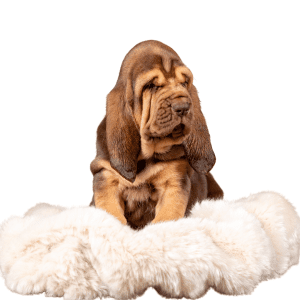
If you are interested in purchasing a Bloodhound, here in the USA, there are a few options available to you:
Reputable breeders: You can search for reputable Bloodhound breeders in the USA through the American Kennel Club (AKC) website or other breed-specific organizations, such as the American Bloodhound Club. It is important to do your research and choose a breeder who has a good reputation, health tests their breeding dogs, and provides a healthy and well-socialized environment for their puppies.
Rescue organizations: You can also check with Bloodhound rescue organizations, such as the American Bloodhound Rescue, that specialize in rescuing and rehoming Bloodhounds in need of a new home. Adopting a Bloodhound from a rescue organization can be a rewarding way to provide a loving home for a dog in need.
Bloodhound Puppy Prices
The cost of a Bloodhound puppy could vary based on factors like the breeder’s reputation, the lineage of the dog, geographical location, and whether the puppy is intended for pet quality or show quality.
On average, the price for a Bloodhound puppy from a reputable breeder might range from $800 to $1,500 or more. Factors such as lineage, health clearances, and the breeder’s reputation can influence the price, causing it to fall within a higher price range.
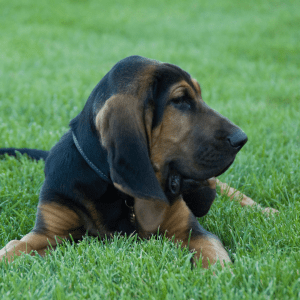
Remember to consult with your veterinarian for personalized product recommendations based on your Bloodhound puppy’s specific needs.
Keep in mind that the purchase of any dog is a big decision and responsibility, and it is important to choose a breed that fits your lifestyle and preferences.
SUMMARY
Bloodhound Height: 23-27 inches
Bloodhound Weight: 70-100 lbs.
Bloodhound Colors: Black and Tan, Liver and Tan, Red
Bloodhound Temperament: Gentle, patient, loyal, affectionate, determined
Bloodhound Life Expectancy: 8-10 years.
Overall, Bloodhounds make loyal and affectionate companions, known for their gentle and patient nature, and they form strong bonds with their family members.
Want some more ways to spread the Bloodhound love?
Follow these hashtags on social media: #Bloodhound #BloodhoundsofInstagram #Bloodhoundpuppy #Bloodhoundlove #Bloodhoundlife #Bloodhoundsofinsta #Bloodhoundgram #Bloodhoundworld #Bloodhoundclub #Bloodhoundnation #Bloodhoundfamily #Bloodhoundrescue #Bloodhoundlovers
Print this FREE Bloodhound Coloring Page!
Connect with us on social media to see more about the Bloodhound!