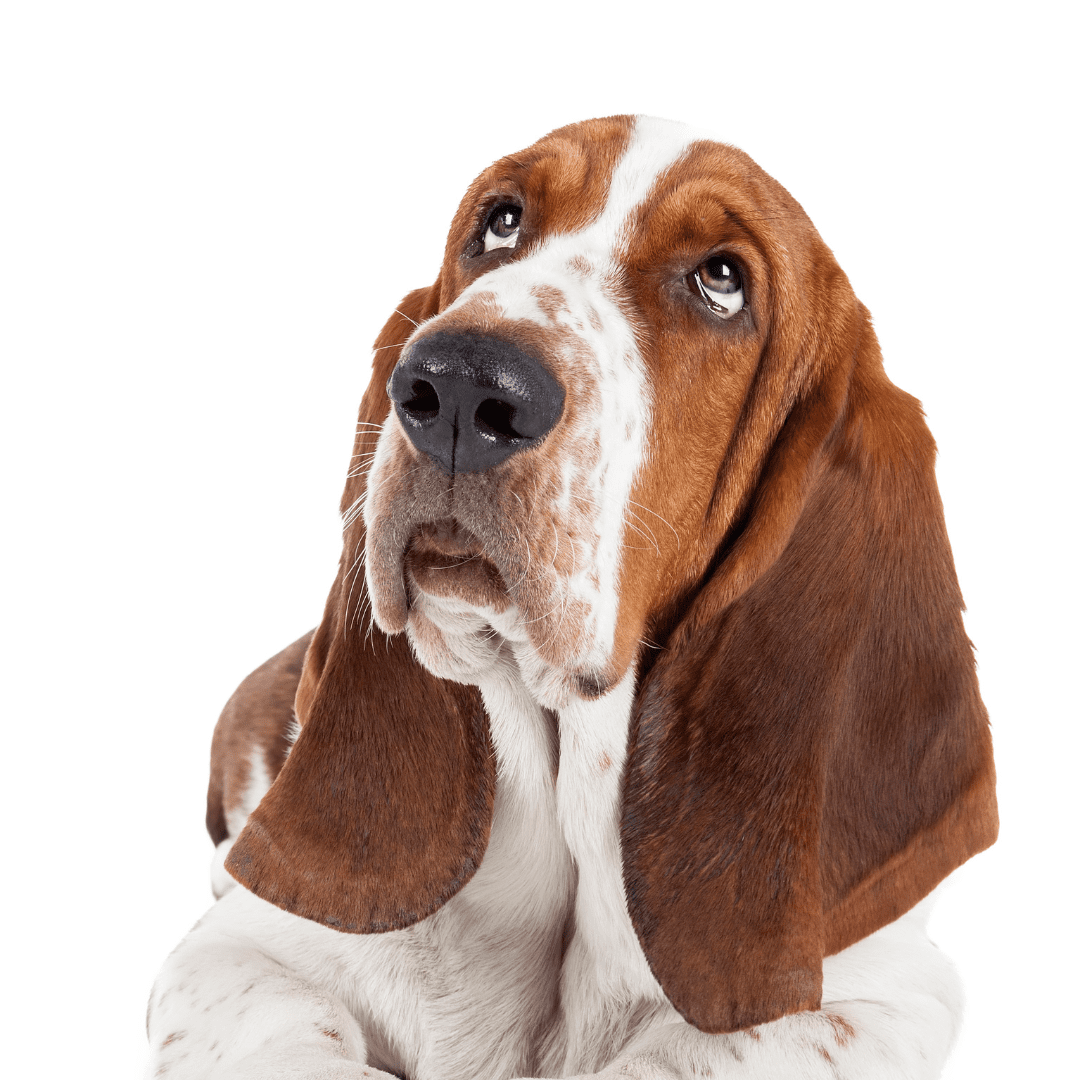

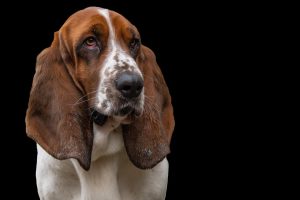
The Basset Hound is a breed of dog that is known for its distinctive long, droopy ears and short legs. They were originally bred in France for hunting small game such as rabbits and hares, and their keen sense of smell and tenacious tracking abilities make them excellent scent hounds.
Basset Hounds have a friendly and affectionate temperament, and they make great family pets. They are generally good with children and other animals, although they can be stubborn and independent at times. They are also known for their love of food, which can lead to obesity if their diet is not carefully managed.
Basset Hounds typically weigh between 40 and 60 pounds and stand about 12 to 15 inches tall at the shoulder. They have short, dense coats that come in a variety of colors including tri-color (black, white, and tan), red and white, and lemon and white. Basset Hounds require moderate exercise and regular grooming to keep their coats healthy and shiny.
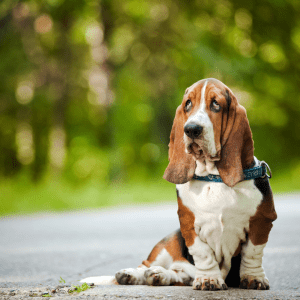
Basset Hounds are known for their excellent sense of smell, which is second only to the Bloodhound. They have up to 300 million scent receptors in their nose, which is much more than humans or most other dog breeds.
Despite their short legs, Basset Hounds are quite agile and can move quickly over short distances. They also have a stubborn streak, which can make them difficult to train at times.
Basset Hounds are prone to certain health issues, including obesity, ear infections, hip dysplasia, and glaucoma. Regular veterinary checkups and proper nutrition and exercise are important for keeping them healthy.
Basset Hounds have been popularized in popular culture, with several famous fictional characters being Bassets, such as Droopy, the cartoon character, and the Hush Puppies mascot. They are also known for their appearances in films such as Disney’s “The Fox and the Hound” and in the logo for the footwear brand “Bass.”
Breed Confusion
Basset Hound vs. Bloodhound
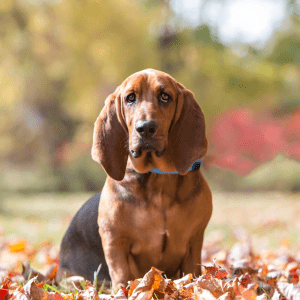
The breed that is often confused with a Basset Hound is the Bloodhound. Both breeds have similar droopy ears, wrinkled skin, and a long, low-set body, which can lead to some confusion between the two. However, the Bloodhound is generally larger and has a different coat texture and color.
Here’s a comparison and contrast between the Basset Hound and the Bloodhound:
Basset Hound:
- Size: Basset Hounds are a medium-sized breed, typically weighing between 40 to 65 pounds and standing about 13 to 15 inches at the shoulder.
- Appearance: Basset Hounds have a distinct low-set and long body with short legs. They have loose, wrinkled skin, droopy ears, and a sad or melancholic expression. Their coat is short, dense, and comes in various colors, including tricolor (black, white, and brown) or bicolor (lemon and white).
- Temperament: Basset Hounds are known for their friendly, patient, and easygoing nature. They are generally good-natured, social, and get along well with children and other pets. They can have a stubborn streak and may require patient and consistent training.
- Exercise: Basset Hounds have moderate exercise needs and enjoy daily walks or moderate play sessions. They are not overly energetic but do benefit from mental stimulation and activities that tap into their strong sense of smell.
Bloodhound:
- Size: Bloodhounds are a large breed, with males typically weighing between 90 to 110 pounds and standing about 25 to 27 inches at the shoulder. Females are slightly smaller.
- Appearance: Bloodhounds have a powerful and muscular build with loose, wrinkled skin. They have long ears that droop down, a droopy face with saggy skin folds, and prominent droopy eyes. Their coat is short and dense, typically coming in colors such as black and tan, liver and tan, or red.
- Temperament: Bloodhounds are known for their gentle, affectionate, and laid-back temperament. They are usually friendly, patient, and good with children and other animals. They have a strong sense of smell and are often used as scent-tracking or search and rescue dogs.
- Exercise: Bloodhounds have moderate exercise needs and benefit from daily walks or moderate exercise sessions. While they may have bursts of energy, they are generally calm and prefer a relaxed lifestyle. Mental stimulation, such as scent games or puzzle toys, can be beneficial for their sharp olfactory senses.
While both breeds share droopy ears and a similar body shape, there are noticeable differences in size, coat colors, and temperament between the Basset Hound and the Bloodhound. It’s important to consider these differences when choosing a breed that aligns with your lifestyle and preferences.
FUN FACTS
Here are some fun or little-known facts about Basset Hounds:
- Basset Hounds have been bred with other breeds to create hybrid dogs such as the Bassugg (Basset Hound and Pug) and the Bagle Hound (Basset Hound and Beagle).
- The Guinness World Record for the world’s longest dog ears was held by a Basset Hound named Tigger, whose ears measured 34.9 cm (13.75 inches) and 34.2 cm (13.5 inches) in length.
- Basset Hounds were bred to have a special gait called the “rolling gait,” which helps them cover more ground while hunting by keeping their nose close to the ground.
- Basset Hounds were once considered a symbol of wealth and status in the United States, and were often owned by wealthy families.
- The Basset Hound was recognized by the American Kennel Club (AKC) in 1885, making it one of the oldest breeds recognized by the organization.
- Basset Hounds are known for their distinctive howl, which can be loud and melodious. They are often described as having a “soulful” voice.
- A group of Basset Hounds is called a “pack.” They are social animals and enjoy the company of other dogs.
- Basset Hounds have been used in search and rescue operations, as well as in law enforcement to detect drugs and other contraband.
READY TO ADD A BASSET HOUND TO YOUR HOME OR FAMILY?
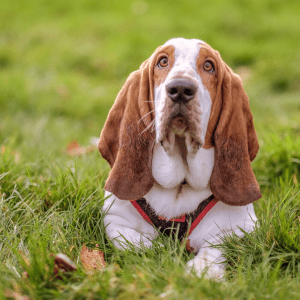
Basset Hounds make wonderful family pets with their friendly and patient nature, often getting along well with children and other animals. Their affectionate and laid-back demeanor adds a charming and lovable presence to the household, making them a delightful companion for those seeking a loyal and easygoing pet.
Before getting a Basset Hound, however, here are some factors to consider:
Exercise and Activity: Basset Hounds have moderate exercise needs and enjoy daily walks, but they are generally not a high-energy breed. However, their love for sniffing and tracking scents means they may get easily distracted during walks. Consider if you have the time and patience to accommodate their slower pace and provide mental stimulation through scent-based activities.
Grooming: Basset Hounds have a short and dense coat that requires regular brushing to keep it clean and healthy. They are also prone to ear infections due to their droopy ears, so frequent ear cleaning and drying are necessary. Consider if you can commit to regular grooming and maintenance to keep your Basset Hound comfortable and free from skin or ear issues.
Slobbering and Drooling: Basset Hounds are known for their droopy lips and jowls, which can lead to excessive drooling and slobbering. If you are sensitive to or bothered by excess drool, consider if you can manage the occasional mess and keep their droopy face clean.
Training Challenges: Basset Hounds are intelligent but can be stubborn and independent, which can make training a bit challenging. They may require consistent, patient, and positive training methods to overcome their stubbornness. Consider if you have the time, dedication, and a firm yet gentle approach to train and socialize your Basset Hound effectively.
Health Issues: Basset Hounds are prone to certain health conditions, including obesity, ear infections, hip dysplasia, and back problems due to their long bodies and short legs. Regular veterinary check-ups, a proper diet, and exercise are essential to maintain their overall health. Consider if you are prepared for potential health issues and the associated costs of vet care.
Time and Attention: Basset Hounds thrive on human companionship and may experience separation anxiety if left alone for long periods. They require social interaction and may become destructive or develop behavioral issues if they feel neglected. Consider if you can provide the time, attention, and companionship that a Basset Hound needs.
It’s important to research and understand the breed’s characteristics, needs, and potential challenges before committing to a Basset Hound. Consulting with reputable breeders, current owners, or breed-specific rescue organizations can provide valuable insights and help you make an informed decision.
Grab your FREE New Puppy Success Guide to help select, prepare for, and train your new puppy!! 

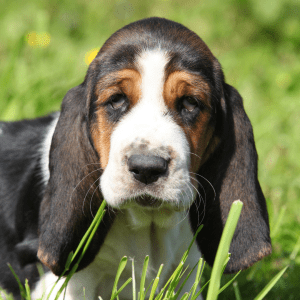
If you are interested in buying a Basset Hound, here in the USA, there are a few options available to you.
To find a Basset Hound puppy in the USA, you can explore the following options:
- Reputable Breeders: Look for reputable breeders who specialize in Basset Hounds. The Basset Hound Club of America is a good resource to find breeders who adhere to responsible breeding practices. Contact them, inquire about available litters, and ask about health testing and certifications.
- Rescue Organizations: Consider adopting a Basset Hound from a rescue organization or a breed-specific rescue group. These organizations often have Basset Hounds of various ages available for adoption. Visit websites such as petfinder.com or bassetrescue.org to search for adoptable Basset Hounds in your area.
- Local Shelters and Animal Control Centers: Check with local animal shelters or animal control centers, as they occasionally have Basset Hounds or Basset Hound mixes available for adoption. Visiting these facilities or checking their websites can help you find Basset Hounds in need of loving homes.
- Online Platforms: Websites like PuppyFinder and AKC Marketplace may list reputable breeders who have Basset Hound puppies for sale. Ensure you conduct thorough research and verify the credibility of any breeder you come across.
When contacting breeders or rescue organizations, it’s important to ask questions about the health and temperament of the puppies, as well as the breeding practices and socialization they employ. Ensure that the breeder or organization prioritizes the well-being of the dogs.
Be cautious when purchasing a puppy and avoid supporting puppy mills or unethical breeders. Responsible breeders prioritize the health and welfare of their dogs and will be willing to answer your questions and provide documentation of health testing and certifications. Similarly, reputable rescue organizations ensure the dogs are in good health and provide the necessary care and support.
Remember, acquiring a Basset Hound puppy is a long-term commitment, so take the time to find a reputable source and ensure that the puppy’s needs align with your lifestyle and capabilities as a responsible pet owner.
DON’T FORGET TO CHECK OUT OUR BASSET HOUND 101 VIDEO ON YOUTUBE!!
Basset Hound Puppy Prices
The average price for a Basset Hound puppy can range from $600 to $1200 USD. However, prices can vary based on factors such as the breeder’s reputation, location, lineage, and the puppy’s pedigree.
When looking for a Basset Hound puppy, it’s important to find a reputable and responsible breeder who prioritizes the health and well-being of their dogs. Responsible breeders conduct health screenings on their breeding dogs to ensure they are producing healthy puppies.
Keep in mind that owning a dog involves ongoing expenses such as food, veterinary care, grooming, and other essentials. Make sure you’re financially prepared for the long-term commitment of pet ownership.
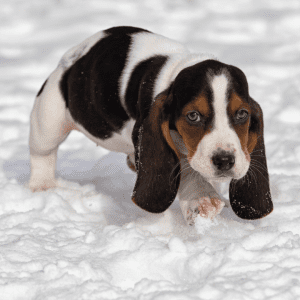
Here are some recommended items to help you welcome your new Basset Hound dog or puppy:
- Crate or Dog Bed: Provide a comfortable and secure space for your puppy to rest and sleep. A crate or a soft dog bed with enough room for them to stretch out and relax will make them feel safe and comfortable.
- Food and Water Bowls: Choose sturdy, non-slip bowls that are easy to clean. Consider bowls with a wider base to prevent tipping and spills as Basset Hounds can have a tendency to be a bit clumsy.
- Puppy Food: Select a high-quality puppy food that is specifically formulated for large breed puppies or meets their nutritional needs. Consult with your veterinarian for recommendations on the appropriate type and portion size for your Basset Hound puppy.
- Collar and Leash Set: Purchase a collar that fits your puppy properly and attach an identification tag with your contact information. A sturdy leash is essential for walks and outdoor activities to keep your Basset Hound puppy secure.
- Chew Toys and Teething Aids: Basset Hound puppies have a natural instinct to chew. Provide a variety of chew toys and teething aids to redirect their chewing behavior and save your furniture and belongings from damage.
- Grooming Supplies: Basset Hounds have a short, dense coat that requires regular brushing to keep it healthy and free from tangles. Invest in a soft-bristle brush or a grooming glove for regular grooming sessions. Additionally, include ear cleaning solution and a toothbrush and toothpaste designed for dogs in your grooming supplies.
- Training Treats: Treats are an effective tool for training and positive reinforcement. Choose small, soft treats that are easily chewable and enticing to motivate your Basset Hound puppy during training sessions.
- Poop Bags and Waste Disposal System: Make sure you have an ample supply of poop bags or a waste disposal system for cleaning up after your puppy during walks and outdoor potty breaks.
- Puppy Training Pads: If you’re planning to use training pads for potty training, have a supply of puppy training pads available. Place them in a designated area indoors to help with house training.
Keep in mind that the purchase of any dog is a big decision and responsibility, and it is important to choose a breed that fits your lifestyle and preferences.
SUMMARY
Basset Hound Height: 13-15 inches
Basset Hound Weight: 40-65 lbs.
Basset Hound Colors: Tricolor (black, white, and brown), Bicolor (lemon and white)
Basset Hound Temperament: Friendly, laid-back, patient, affectionate, loyal
Basset Hound Life Expectancy: 10-12 years.
Overall, the Basset Hound is a loyal and affectionate companion, known for its gentle and easygoing nature, bringing joy and companionship to its family.
Want some more ways to spread the Basset Hound love?
Follow these hashtags on social media: #BassetHound #BassetLove #BassetLife #BassetPuppy #BassetGram #BassetLover #BassetHoundsofInstagram #BassetNation #BassetObsessed #BassetCrazy #BassetPride #BassetFamily #BassetAdventures #BassetWorld
Check out these amazing Basset Hound finds on Amazon!
Print this FREE Basset Hound Coloring Page!
Connect with us on social media to see more about the Basset Hound!