
The Greater Swiss Mountain Dog, also known as the Grosser Schweizer Sennenhund or simply Swissy, is a large breed of dog that originated in Switzerland. They are one of the four Swiss Sennenhund breeds, along with the Bernese Mountain Dog, Appenzeller, and Entlebucher Mountain Dog.
They are affectionately called “Swissies” by those who love them. They are also often referred to as simply, Swiss Mountain Dogs or their abbreviation, GMSD.
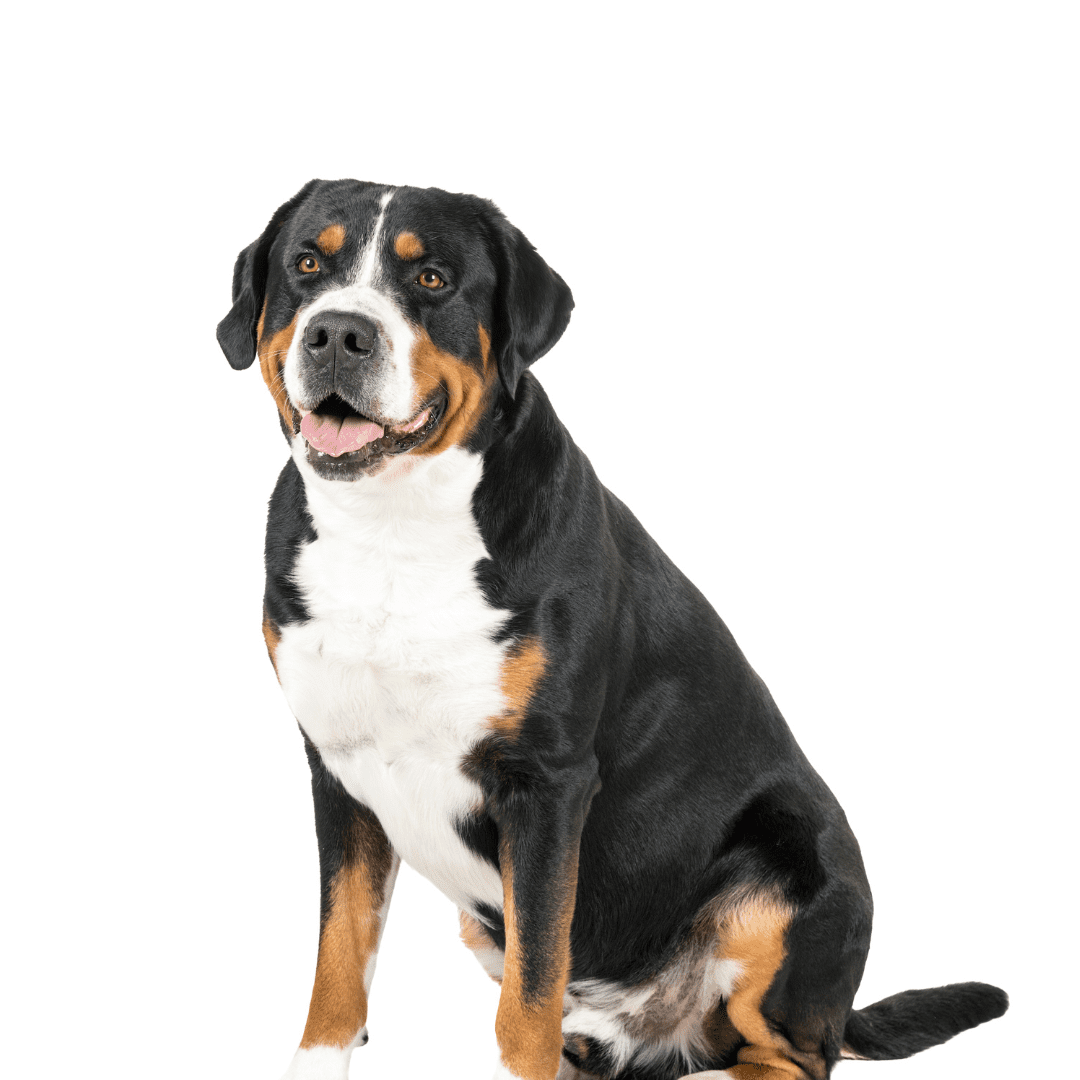
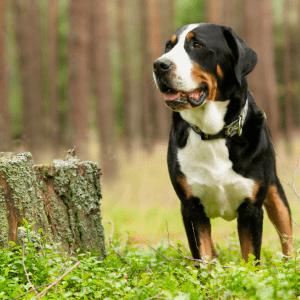
Swissies are a muscular and powerful breed, with a distinctive tri-colored coat of black, white, and rust. They are known for their calm and friendly temperament, as well as their loyalty and affection for their owners.
These dogs were originally bred as working dogs on Swiss farms, where they would help with herding, guarding, and pulling carts. They are still used for these purposes today, but are also popular as family pets due to their gentle nature and easygoing personalities.
Swissies are a relatively healthy breed, but can be prone to certain health issues such as hip dysplasia and bloat. They require regular exercise and plenty of mental stimulation to stay happy and healthy.
The Greater Swiss Mountain Dog is a loyal and loving companion that is well-suited for families who enjoy an active lifestyle and have plenty of space for a large dog.
Size and Appearance
The Greater Swiss Mountain Dog is a large breed, typically weighing between 110 and 150 pounds and standing 25 to 28 inches tall at the shoulder. They have a thick, double coat that is black with white markings and rust accents on the face, legs, and chest. Their coat is relatively easy to maintain with regular brushing and occasional baths.
Greater Swiss Mountain Dog Temperament
Swissies are known for being calm, patient, and affectionate dogs. They are good with children and other pets, and generally get along well with strangers. However, they can be protective of their family and may bark or act wary around new people or animals.
Training and Exercise: Greater Swiss Mountain Dogs are intelligent and eager to please, which makes them relatively easy to train with positive reinforcement methods.
They are active dogs that require daily exercise and mental stimulation, such as long walks, hikes, or agility training. They also enjoy playing with toys and participating in dog sports like obedience, tracking, and herding.
Health Issues
Greater Swiss Mountain Dogs are generally healthy and can live up to 10-12 years. However, they can be prone to certain health issues like hip dysplasia, elbow dysplasia, bloat, and eye problems. Regular veterinary checkups and a healthy diet are important for maintaining their overall health and well-being.
Greater Swiss Mountain Dog Lifespan
The average lifespan of a Greater Swiss Mountain Dog is between 8 to 11 years. However, some Swissies may live longer or shorter depending on factors such as genetics, diet, exercise, and overall health care. It’s important to provide proper care and regular veterinary check-ups to ensure the best possible lifespan for your Swissy.
Breed Confusion
Greater Swiss Mountain Dog vs. Bernese Mountain Dog
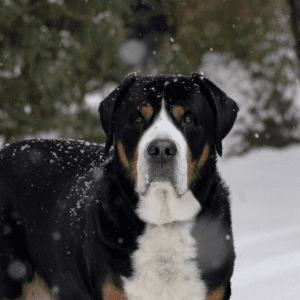
The Greater Swiss Mountain Dog is sometimes mistaken for the Bernese Mountain Dog, which is another Swiss Sennenhund breed that shares a similar tri-colored coat.
Size: The Greater Swiss Mountain Dog is generally slightly smaller and leaner than the Bernese Mountain Dog. While both breeds are considered large, Swissies typically weigh between 105-140 pounds, while Bernese usually weigh between 80-115 pounds.
Coat: Both breeds have a thick, double coat that requires regular grooming. However, Bernese Mountain Dogs have a longer, silkier coat that is prone to matting and may require more maintenance.
Color: They have a distinctive tri-color coat with black, rust, and white markings. In contrast, the Bernese Mountain Dog has a black base coat with rust and white markings on the face, chest, and legs.
Temperament: Both breeds are known for their friendly, gentle nature and make great family pets. However, Swissies tend to be more energetic and active than Bernese Mountain Dogs, who are more laid-back and enjoy lounging around.
Health: Both breeds are prone to certain health issues, including hip dysplasia, elbow dysplasia, and bloat. However, the Bernese Mountain Dog is more prone to cancer and has a shorter lifespan than the Greater Swiss Mountain Dog.
FUN FACTS
Here are some fun and little-known facts about the Greater Swiss Mountain Dog:
The Greater Swiss Mountain Dog is one of the largest dog breeds, and they were originally bred to be working dogs on Swiss farms. They were used for herding, pulling carts, and guarding livestock.
Swissies have been known to have a strong protective instinct towards their families, and will bark to alert their owners of strangers or unusual activity. However, they are generally not aggressive unless they feel threatened.
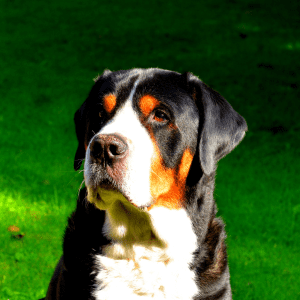
They have a unique tri-colored coat of black, white, and rust. The white markings on their coat are often in the shape of a cross on their chest, which is why they are sometimes called “Swissies.”
These dogs are known for their loyalty and affection towards their owners. They are often referred to as “velcro dogs” because they like to stay close to their owners and follow them around wherever they go.
They have a high tolerance for pain, which made them well-suited for their original job of herding and guarding livestock. They are also known for their strength and endurance, which makes them great hiking and backpacking companions.
The breed has been featured in several movies and TV shows, including the Disney movie “Up” and the TV show “The Office.”
Despite their large size, Greater Swiss Mountain Dogs are often described as “gentle giants” because of their calm and friendly temperament. They are great with children and make wonderful family pets.
The Greater Swiss Mountain Dog was almost extinct in the late 1800s, but was saved from extinction by a Swiss man named Albert Heim who discovered a few remaining Swissies in remote mountain regions. Heim was instrumental in establishing the breed standard and promoting the breed in Switzerland.
The breed is known for its longevity, with some living up to 14 years or more.
They have a deep bark that can be intimidating to strangers, but they are generally not aggressive unless they feel threatened or their family is in danger.
Grab your FREE New Puppy Success Guide to help select, prepare for, and train your new puppy!! 

READY TO ADD A GREATER SWISS MOUNTAIN DOG TO YOUR HOME OR FAMILY?
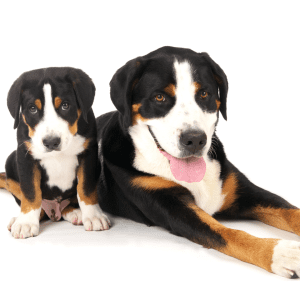
As a pet, the Greater Swiss Mountain Dog is known for its friendly and loyal nature. They make great companions for active families who have plenty of space and time to devote to their needs.
But, before getting a Greater Swiss Mountain Dog, there are several important factors to consider. Here are some things to keep in mind:
Space: Swissies are large dogs that require plenty of space to move around and exercise. They are not well-suited to small apartments or homes without a yard.
Exercise: Swissies are active dogs that need daily exercise and mental stimulation to stay healthy and happy. They enjoy long walks, hikes, and other outdoor activities.
Grooming: Swissies have a thick, double coat that requires regular grooming to prevent matting and keep them looking their best. They shed heavily twice a year and require weekly brushing during this time.
Training: Swissies are intelligent dogs that require consistent training and socialization from a young age to prevent behavior issues. They respond well to positive reinforcement training methods.
Health: Swissies are prone to certain health issues, including hip dysplasia, elbow dysplasia, bloat, and various eye conditions. It’s important to choose a reputable breeder who screens their dogs for these conditions.
Time commitment: Swissies are social dogs that enjoy spending time with their family. They do not do well when left alone for long periods and can develop separation anxiety if not given enough attention.
Financial commitment: Swissies are a large breed that can be expensive to care for, particularly if they develop health issues. It’s important to budget for regular veterinary check-ups, vaccinations, and potential emergency care.
If you are interested in purchasing a Greater Swiss Mountain Dog puppy in the USA, you have a few options:
- Reputable breeders: You can search for reputable breeders in the USA through the Greater Swiss Mountain Dog Club of America website or other breed-specific organizations. It is important to do your research and choose a breeder who has a good reputation, health tests their breeding dogs, and raises their puppies in a clean and healthy environment.
- Rescue organizations: You can also check with Greater Swiss Mountain Dog rescue organizations, such as the Greater Swiss Mountain Dog Rescue Foundation. These organizations rescue and rehome dogs that are in need of a new home. Adopting a dog from a rescue organization is a great way to give a dog a second chance at a happy life.
- Pet shops and online marketplaces: While you may be able to find Greater Swiss Mountain Dogs for sale in pet shops or online marketplaces, it is important to be cautious as these sources may not always provide healthy or well-bred puppies. It is recommended to purchase only from a reputable breeder or rescue organization to ensure the best possible outcome for both you and the dog.
DON’T FORGET TO CHECK OUT OUR GREATER SWISS MOUNTAIN DOG 101 VIDEO ON YOUTUBE!!
Greater Swiss Mountain Dog Puppy Prices
The average price for a Greater Swiss Mountain Dog can vary depending on factors such as the dog’s lineage, pedigree, age, location, breeder reputation, and demand. Greater Swiss Mountain Dogs are large, sturdy working dogs known for their strength, loyalty, and gentle temperament.
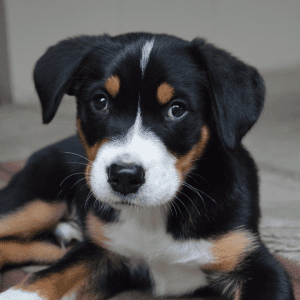
On average, you can expect to pay anywhere from $1,500 to $3,000 for a Greater Swiss Mountain Dog puppy from a reputable breeder. The price can vary depending on the breeder’s location and the quality of the bloodline. Show-quality or champion bloodline Greater Swiss Mountain Dogs can command higher prices, often ranging from $3,000 to $5,000 or more.
Keep in mind that the purchase of any dog is a big decision and responsibility, and it is important to choose a breed that fits your lifestyle and preferences.
SUMMARY
Greater Swiss Mountain Dog Height: 25-28 inches
Greater Swiss Mountain Dog Weight: 110 -130 lbs. For females, 130 – 150 lbs. For males
Greater Swiss Mountain Dog Colors: Tri-Color (Black, White, Tan/Rust)
Greater Swiss Mountain Dog Temperament: Friendly, Loyal, Alert, Confident, Brave
Greater Swiss Mountain Dog Life Expectancy: 8-11 years
Overall, the Greater Swiss Mountain Dog can make an excellent companion for an active family who is willing to provide them with plenty of exercise, training, and socialization.
Want some more ways to spread the Swissie love?
Follow these hashtags on social media: #greaterswissmountaindog #greaterswissmountaindogsofinstagram #greaterswiss #greaterswissmountaindogs #greaterswisslove #greaterswissmountaindogpuppy #greaterswissmountaindogworld #greaterswissmountaindogsofig #greaterswissmountaindoglife #greaterswissmountaindogclub #greaterswissmountaindoglover #greaterswissmountaindogcommunity #greaterswissmountaindogoftheday #swissylove #swissysofinstagram #swissiesofinstagram #swissygram #swissyloveclub #swissyworld #swissiesoftheworld #swissiesofig #swissmountaindog #swissmountaindogsofinsta #swissmountaindogs #swissmountaindogsofinstagram #swissmountaindoglove #swissmountaindogpuppy #swissmountaindogcommunity #swissmountaindoglife #swissmountaindoglovers
Print this FREE Greater Swiss Mountain Dog Coloring Page!
Connect with us on social media to see more about the Greater Swiss Mountain Dog!