
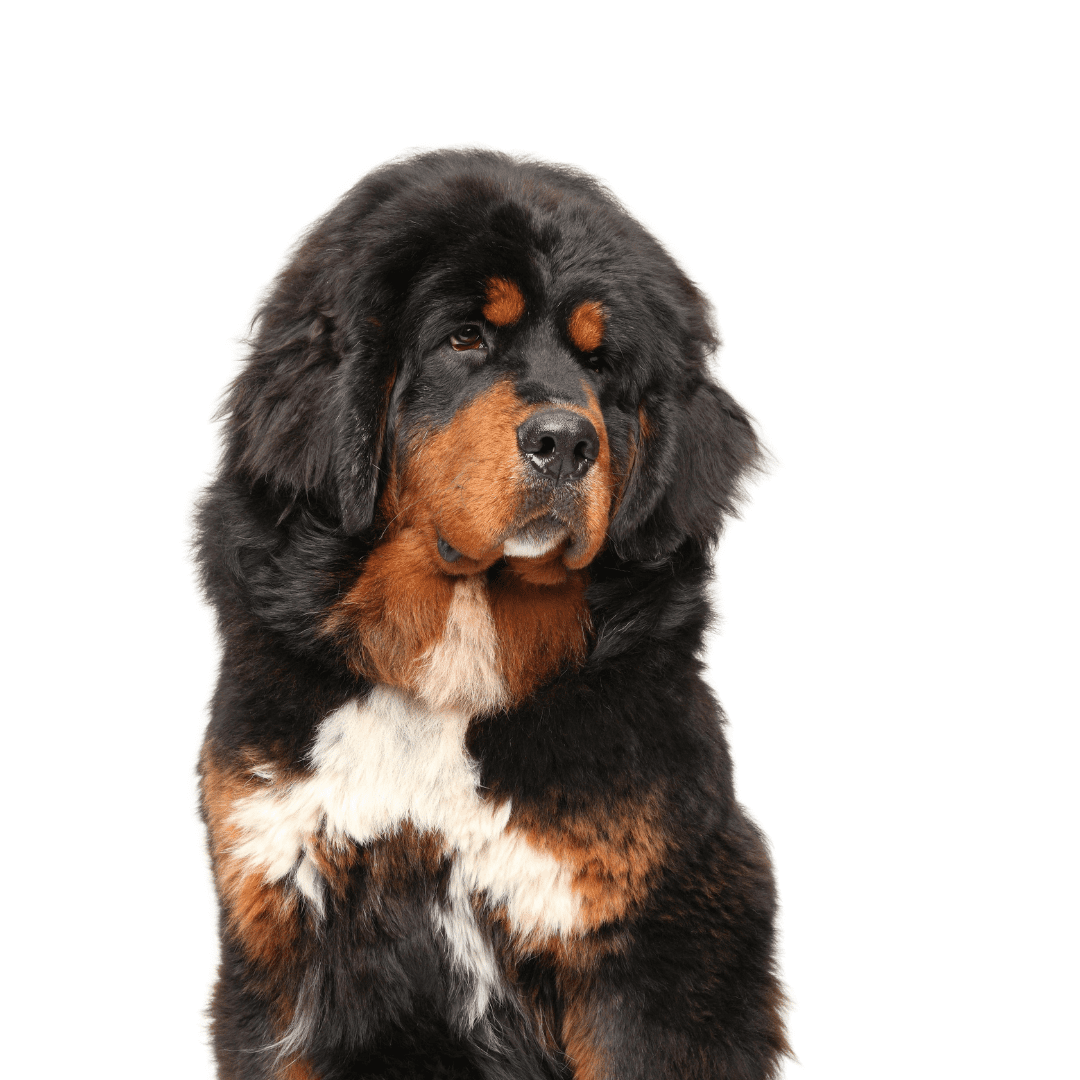

The Tibetan Mastiff is a large breed of dog that originated in Tibet. It is an ancient breed that has been used for centuries to guard livestock, property, and even monasteries. Tibetan Mastiffs are known for their impressive size and thick, double coat, which helps them withstand the harsh climate of the Tibetan Plateau.
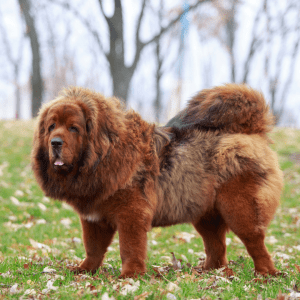
In terms of physical appearance, Tibetan Mastiffs can grow to be quite large, with males typically weighing between 100-160 pounds and females weighing between 70-120 pounds. They have a thick, muscular build, and their coats can range in color from black to blue-gray, brown, and even gold.
Tibetan Mastiffs are known for being loyal and protective of their family and territory. They are intelligent and independent, but can also be stubborn and difficult to train. Early socialization and training is important for this breed, as they can become aggressive towards strangers if not properly socialized.
Overall, the Tibetan Mastiff is a fascinating and impressive breed that requires a lot of care and attention. They are not for everyone, but can make excellent pets for experienced dog owners who are looking for a loyal and protective companion.
History
Tibetan Mastiffs have been around for thousands of years and were originally bred by nomadic tribes in Tibet to protect their livestock from predators such as wolves and leopards. They were also used to guard monasteries and palaces, and were considered a symbol of wealth and status.
Personality
Tibetan Mastiffs are known for their loyalty and devotion to their family. They are protective and territorial, and will bark and even attack if they perceive a threat. They can be aloof with strangers and require early socialization to prevent aggression. They are also independent and strong-willed, which can make training challenging.
Exercise and Grooming
Tibetan Mastiffs are not particularly active dogs, but they do require daily exercise to prevent obesity and maintain their muscle tone. They also need regular grooming to prevent matting and tangling of their thick coat. This can be time-consuming, as their coat requires weekly brushing and occasional bathing.
Health
Like all breeds, Tibetan Mastiffs are prone to certain health issues, such as hip dysplasia, eye problems, and thyroid disorders. It’s important to purchase a puppy from a reputable breeder who performs health screenings on their breeding dogs.
Breed Confusion
Tibetan Mastiff vs. Newfoundland
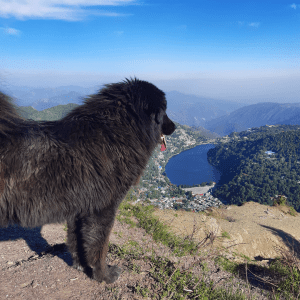
The Tibetan Mastiff and the Newfoundland are often confused due to their similar large size and thick, double coats that provide them protection in harsh weather conditions. Additionally, their majestic and imposing presence, along with some shared physical features, can contribute to the confusion between these two impressive breeds.
Size:
- Tibetan Mastiff: The Tibetan Mastiff is a large and imposing breed. Males typically stand 26 to 28 inches (66 to 71 cm) tall at the shoulder and weigh between 90 to 150 pounds (41 to 68 kg). Females are slightly smaller, standing 24 to 26 inches (61 to 66 cm) tall and weighing between 70 to 120 pounds (32 to 54 kg).
- Newfoundland: The Newfoundland is also a large breed, known for its massive size. Males typically stand 28 to 30 inches (71 to 76 cm) tall at the shoulder and weigh between 130 to 150 pounds (59 to 68 kg). Females are slightly smaller, standing 26 to 28 inches (66 to 71 cm) tall and weighing between 100 to 120 pounds (45 to 54 kg).
Coat:
- Tibetan Mastiff: The Tibetan Mastiff has a dense, thick double coat that provides insulation and protection from the elements. Their coat comes in various colors, including black, brown, blue, and gold.
- Newfoundland: The Newfoundland also has a dense, water-resistant double coat. Their coat is typically thick and oily, helping them stay warm and dry in cold water. Newfoundland coats come in solid colors such as black, brown, gray, or Landseer (white with black markings).
Temperament:
- Tibetan Mastiff: Tibetan Mastiffs are known for their aloof and independent nature. They are loyal, protective, and reserved around strangers. They are generally calm and patient but can be strong-willed and may require consistent training and socialization.
- Newfoundland: Newfoundlands are known for their gentle and friendly nature. They are known to be excellent family dogs, patient with children, and generally good-natured. They are often described as sweet, gentle giants and are known for their swimming and water rescue abilities.
Activity Level:
- Tibetan Mastiff: Tibetan Mastiffs have a moderate activity level. While they need regular exercise to maintain their physical and mental well-being, they are generally not as active or energetic as some other breeds. They tend to have a calm and relaxed demeanor.
- Newfoundland: Newfoundlands are moderate to low in terms of activity level. They enjoy moderate exercise and are typically content with daily walks or leisurely activities. Despite their size, they are not overly energetic and can adapt well to a more laid-back lifestyle.
Health:
- Tibetan Mastiff: Tibetan Mastiffs are generally healthy dogs, but they can be prone to certain health issues, such as hip and elbow dysplasia, hypothyroidism, and certain eye conditions.
- Newfoundland: Newfoundlands are also generally healthy, but like many large breeds, they can be susceptible to health concerns such as hip and elbow dysplasia, heart conditions (e.g., subaortic stenosis), and certain eye disorders.
Overall, both the Tibetan Mastiff and the Newfoundland are large and impressive breeds. While the Tibetan Mastiff is known for its protective and independent nature, the Newfoundland is renowned for its gentle and friendly temperament. Understanding the unique characteristics of each breed is important when considering them as pets, as their temperaments, size, and exercise needs may differ.
FUN FACTS
Here are some fun facts about Tibetan Mastiffs:
- Tibetan Mastiffs are one of the oldest and rarest breeds in the world. They are believed to have originated more than 5,000 years ago in the Himalayan mountains of Tibet.
- Tibetan Mastiffs have a thick, luxurious coat that is insulating and waterproof, allowing them to withstand extreme temperatures and harsh weather conditions.
- In 2011, a Tibetan Mastiff named Big Splash was sold in China for a record-breaking $1.5 million, making him the most expensive dog in the world.
- Tibetan Mastiffs have been known to protect their flocks and herds from predators like wolves and bears, and some have even been known to fight off snow leopards.
- Tibetan Mastiffs are often called “the gentle giant” due to their calm and patient nature around children.
- In Tibetan culture, it is believed that Tibetan Mastiffs have the power to ward off evil spirits and bring good luck to their owners.
- Tibetan Mastiffs have a strong prey drive and are known for their ability to catch small animals like rodents and birds.
- Tibetan Mastiffs have been featured in popular movies such as “The Golden Compass” and “Doctor Strange.”
- In 2008, a group of Tibetan Mastiffs were used to guard the Olympic flame as it made its way through Tibet on its way to the 2008 Beijing Olympics.
READY TO ADD A TIBETAN MASTIFF TO YOUR HOME OR FAMILY?
The Tibetan Mastiff makes a loyal and protective pet, dedicated to their family and home. With their independent and watchful nature, they require experienced owners who can provide proper training, socialization, and a secure environment to ensure they thrive as well-rounded companions.
Before getting a Tibetan Mastiff, there are several important factors to consider:
Size and Space: Tibetan Mastiffs are large and powerful dogs, so they require ample space to move around comfortably. They are not well-suited for small apartments or homes with limited outdoor areas. Ensure you have a spacious and secure yard or living environment that can accommodate their size and provide them with enough exercise space.
Exercise and Activity Level: While Tibetan Mastiffs are not overly active or high-energy dogs, they still require regular exercise to maintain their physical and mental well-being. Daily walks, playtime, and mental stimulation are important for their overall health. Consider if you have the time and commitment to provide them with appropriate exercise and mental enrichment.
Grooming and Coat Care: Tibetan Mastiffs have a dense, double coat that requires regular grooming. They shed heavily during seasonal coat changes and may need frequent brushing to prevent matting. Be prepared for the grooming commitment and potential for increased shedding during certain times of the year.
Training and Socialization: Tibetan Mastiffs are intelligent and independent-minded dogs. They require consistent and firm training, preferably with experienced dog owners, to establish boundaries and ensure they become well-behaved companions. Early socialization is also crucial to help them develop positive behaviors around people and other animals.
Temperament and Protective Nature: Tibetan Mastiffs are known for their protective nature and loyalty to their families. They may exhibit strong guarding instincts and can be wary of strangers. Proper socialization and training are essential to manage their protective tendencies and ensure they are well-adjusted in various social situations.
Healthcare and Potential Health Issues: Tibetan Mastiffs, like many large breeds, may be prone to certain health issues such as hip and elbow dysplasia, progressive retinal atrophy (PRA), and hypothyroidism. Consider the potential medical expenses and ensure you can provide them with proper veterinary care, including regular check-ups, vaccinations, and preventative treatments.
Commitment and Time: Tibetan Mastiffs thrive in homes where they receive plenty of attention and interaction from their owners. They are not suited for a lifestyle that requires them to be left alone for long periods. Evaluate your daily schedule and ensure you can dedicate enough time and attention to meet their needs for companionship and care.
By carefully considering these factors and ensuring that a Tibetan Mastiff aligns with your lifestyle, commitment, and living situation, you can make an informed decision about whether a Tibetan Mastiff is the right pet for you.
Grab your FREE New Puppy Success Guide to help select, prepare for, and train your new puppy!! 

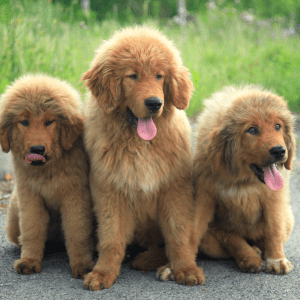
If you’re looking to purchase a Tibetan Mastiff puppy, here, in the USA, you have a few avenues to start your search:
Tibetan Mastiff Breeders: Look for reputable Tibetan Mastiff breeders who are registered with recognized kennel clubs such as the American Kennel Club (AKC). The AKC’s website provides a breeder referral search tool that can help you find registered breeders in your area.
Breed Clubs and Events: Contact Tibetan Mastiff breed clubs or attend dog shows, exhibitions, or events where Tibetan Mastiffs are likely to be present. These gatherings provide an opportunity to meet breeders, owners, and enthusiasts who can provide valuable information and potential leads on available puppies or upcoming litters.
Online Platforms and Directories: Online platforms and directories focused on connecting breeders and potential buyers can be helpful. However, exercise caution and thoroughly research any breeders you come across online to ensure their credibility and ethical practices.
Rescue Organizations: While Tibetan Mastiffs are not as commonly found in rescue organizations as some other breeds, it’s worth checking with local rescue groups or breed-specific rescue organizations. They may occasionally have Tibetan Mastiffs available for adoption.
DON’T FORGET TO CHECK OUT OUR TIBETAN MASTIFF 101 VIDEO ON YOUTUBE!!

Tibetan Mastiff Puppy Prices
Tibetan Mastiff puppies were known to be one of the most expensive dog breeds in the world. Prices for Tibetan Mastiff puppies can vary significantly depending on various factors, including the breeder’s reputation, bloodline, location, and the puppy’s lineage.
On average, Tibetan Mastiff puppies from reputable breeders can cost anywhere from $2,000 to $5,000. However, some exceptionally well-bred or show-quality Tibetan Mastiff puppies with champion bloodlines could fetch prices ranging from $5,000 to $15,000 or even more in some cases.
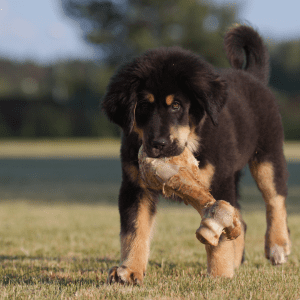
Keep in mind that the purchase of any dog is a big decision and responsibility, and it is important to choose a breed that fits your lifestyle and preferences.
SUMMARY
Tibetan Mastiff Height: 24-26 inches, for females and 26-28 inches for males
Tibetan Mastiff Weight: 70-120 lbs., for females and 90 -150 lbs., for males
Tibetan Mastiff Colors: Black, Black and Tan, Brown, Blue, Blue and Tan, Gray, Red, Sable, and Gold
Tibetan Mastiff Temperament: Independent, Confident, Loyal, Protective, Reserved
Tibetan Mastiff Life Expectancy: 10-12 years.
Overall, the Tibetan Mastiff is a steadfast and devoted companion, offering both loyalty and a strong protective nature to their family.
Want some more ways to spread the Tibetan Mastiff love?
Follow these hashtags on social media: #TibetanMastiff #MajesticMastiff #MightyMastiff #TibetanMastiffLove #TibetanMastiffPride #TibetanMastiffNation #TibetanMastiffWorld #TibetanMastiffCommunity #TibetanMastiffLife #TibetanMastiffOfInstagram #TibetanMastiffPuppy #TibetanMastiffLovers
Print this FREE Tibetan Mastiff Coloring Page!
Connect with us on social media to see more about the Tibetan Mastiff!