



The Pug is a small breed of dog that originated in China and is also known as the Chinese Pug. They are a popular breed of companion dog, known for their playful and affectionate nature. Pugs have a distinctive wrinkled face, short snout, and curled tail.
They have a compact, muscular body and are typically around 10-14 inches in height and weigh between 14-18 pounds.
Pugs come in a variety of colors, including fawn, black, silver, and apricot. They are known for being excellent with children and make great family pets.
Pugs are known for their outgoing and playful personalities. They are social dogs and enjoy spending time with their family members. They are generally good with other pets, including cats and other dogs. However, they may be wary of unfamiliar animals and may need some socialization to feel comfortable.
However, Pugs are a brachycephalic breed, which means that they have a short snout and flat face. This can make them more prone to respiratory issues and can cause snoring or breathing problems, particularly in hot weather.
Pugs are a relatively low-energy breed and do not require a lot of exercise. However, they do enjoy short walks and playtime with their owners. Pugs have a tendency to gain weight, so it is important to monitor their diet and exercise levels to prevent obesity.
Pugs have a lifespan of around 12-15 years.
Pugs shed quite a bit and require regular grooming to keep their coat healthy and shiny. They may also be prone to skin allergies, so it is important to keep their skin clean and dry.

Breed Confusion
Pug vs. French Bulldog
The breed that is often confused with a Pug is the French Bulldog. Both breeds have a similar appearance, characterized by a compact and muscular body, a flat face, and prominent expressive eyes. Their facial features and body structure can lead to confusion, especially for those who are not familiar with the distinct characteristics of each breed.
However, with a closer look, one can identify the differences between the two breeds, such as the French Bulldog’s bat-like ears and the Pug’s characteristic wrinkled face and curled tail.
Here’s a comparison and contrast between the Pug and the French Bulldog:
Origin and History:
- Pug: Pugs originated in China and have a long history dating back over 2,000 years. They were cherished companions of Chinese royalty and were later introduced to Europe.
- French Bulldog: French Bulldogs, as the name suggests, originated in France. They were developed as a smaller version of the English Bulldog and gained popularity in France during the 19th century.
Appearance:
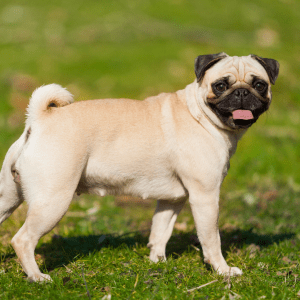
- Pug: Pugs have a distinct appearance with a square, compact body, a wrinkled face, and a curly tail. They have a short, smooth coat and a prominent round head with large, expressive eyes.
- French Bulldog: French Bulldogs also have a compact and muscular body with a square-shaped head and a flat face. They have bat-like ears, a short, smooth coat, and a straight or screwed tail.
Size and Weight:
- Pug: Pugs are generally small in size, with an average height of 10 to 13 inches at the shoulder and a weight range of 14 to 18 pounds.
- French Bulldog: French Bulldogs are slightly larger than Pugs, with an average height of 11 to 12 inches at the shoulder and a weight range of 16 to 28 pounds.
Temperament and Personality:
- Pug: Pugs are known for their friendly and sociable nature. They are often described as playful, affectionate, and loyal companions. Pugs are generally good with children and get along well with other pets.
- French Bulldog: French Bulldogs are also friendly and make excellent family companions. They are known for their affectionate, easygoing, and adaptable temperament. They enjoy being around people and form strong bonds with their owners.
Exercise Needs:
- Pug: Pugs are moderate in terms of exercise needs. They require daily walks and playtime to keep them physically and mentally stimulated. However, they can be sensitive to extreme heat or cold due to their short muzzle.
- French Bulldog: French Bulldogs have relatively low exercise needs. They enjoy short walks and indoor play sessions. They are not known for their endurance and can overheat easily, so it’s important to monitor their activity levels in hot weather.
Health Considerations:
- Pug: Pugs are prone to certain health issues, including respiratory problems due to their brachycephalic (flat-faced) structure, eye problems, skin fold infections, and obesity.
- French Bulldog: French Bulldogs also have potential health concerns related to their brachycephalic traits, including respiratory difficulties. They can also experience spinal issues, skin allergies, and eye problems.
While both the Pug and the French Bulldog share some similarities in appearance and temperament, they also have distinct differences in size, exercise needs, and potential health considerations. It’s important to consider these factors and do proper research to ensure that the breed you choose aligns with your lifestyle and preferences.

FUN FACTS
Here are some fun and little-known facts about pugs:
- Pugs are known for their snoring, snorting, and other unique sounds, which are often attributed to their short snouts.
- Pugs were a favorite breed of the Dutch royal family and were often depicted in paintings and other art from the time.
- Pugs have been known to have a strong sense of humor and can be quite playful and silly at times.
- Pugs are known for their ability to “read” their owners’ emotions and respond accordingly. They are often referred to as “emotional support dogs” because of their ability to provide comfort and companionship to their owners.
- The wrinkles on a pug’s face are said to resemble the Chinese character for “prince,” which is one reason why they were so highly prized in Chinese society.
- Pugs are often described as being “clowns” due to their playful and silly personalities.
- Pugs were once used by the Chinese as guard dogs for Buddhist monasteries.
- Pugs are considered a “toy” breed by the American Kennel Club and are one of the most popular breeds in the United States.
- Pugs have been known to act as therapy dogs, providing comfort and companionship to people in hospitals, nursing homes, and other settings.
- Pugs have a tendency to “sneak” food whenever they can and are known for their love of treats and snacks.
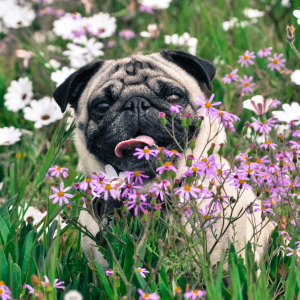
READY TO ADD A PUG TO YOUR HOME OR FAMILY?
Pugs make delightful and affectionate pets, bringing joy and laughter to their owners with their charming personalities and playful nature. They thrive in a loving and attentive environment, enjoying the company of their family members and adapting well to apartment living or smaller spaces.
Before getting a Pug, however, there are several factors to consider:
Brachycephalic Health Concerns: Pugs are a brachycephalic breed, meaning they have a flat face and a compressed respiratory system. This can lead to various health issues, including breathing difficulties, heat sensitivity, eye problems, and dental issues. Prospective owners should be aware of these potential health concerns and be prepared for potential medical expenses and the need for extra care.
Exercise and Activity Level: While Pugs are generally low-energy dogs, they still require regular exercise to maintain a healthy weight and mental stimulation. However, due to their brachycephalic nature, they may have limitations when it comes to intense physical activities and can easily overheat. Prospective owners should be mindful of their exercise needs and provide appropriate exercise in moderation.
Grooming and Shedding: Pugs have a short double coat that sheds moderately year-round. They require regular brushing to manage shedding and keep their coat healthy. Their facial wrinkles also need regular cleaning to prevent skin infections. Prospective owners should be prepared for regular grooming maintenance.
Socialization and Separation Anxiety: Pugs are social animals and thrive on human companionship. They can be prone to separation anxiety if left alone for long periods. It’s important to provide them with proper socialization from a young age and ensure they are not left alone for extended periods of time.
Health Maintenance: Pugs may require additional veterinary care compared to some other breeds due to their predisposition to certain health issues. Regular check-ups, vaccinations, dental care, and monitoring their weight are crucial to maintain their overall health and well-being.
Noise and Snoring: Pugs are known for their unique snoring and snorting sounds. These noises, along with their occasional wheezing, should be considered if you are sensitive to noise or if you live in an environment where noise levels are a concern.
Financial Considerations: Pugs can be prone to various health issues, and their medical expenses may be higher compared to some other breeds. It’s important to be prepared for potential veterinary costs, including routine check-ups, vaccinations, and potential treatments for any health issues that may arise.
Carefully considering these factors and ensuring that your lifestyle, living situation, and commitment align with the needs of a Pug will help ensure a happy and fulfilling relationship between you and your furry companion.
Grab your FREE New Puppy Success Guide to help select, prepare for, and train your new puppy!! 

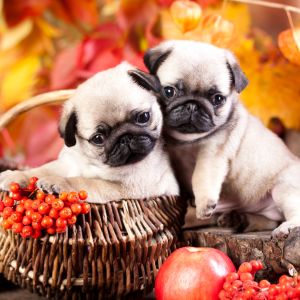
When looking to purchase a Pug puppy in the USA, there are a few options to consider:
- Reputable Breeders: Start by researching and contacting reputable Pug breeders. Look for breeders who have a good reputation, follow responsible breeding practices, and prioritize the health and well-being of their dogs. They should be able to provide information about the lineage, health clearances, and socialization of their puppies. The American Kennel Club (AKC) website can be a helpful resource in finding breeders who are registered with them.
- Rescue Organizations: Consider adopting a Pug from a rescue organization or a breed-specific rescue group. These organizations rescue and rehome dogs in need, including Pugs. They often have puppies available for adoption, and by adopting, you provide a home to a dog in need.
- Pug Clubs and Events: Attend Pug-specific events, such as dog shows, Pug club meetings, or Pug meet-ups. These gatherings can be an opportunity to meet breeders, owners, and enthusiasts who may have knowledge of available puppies or upcoming litters.
- Online Platforms: There are online platforms, such as reputable puppy-finding websites, where you can find Pug puppies available for sale. However, exercise caution and thoroughly research the sellers to ensure they are legitimate and prioritize the welfare of their dogs.
DON’T FORGET TO CHECK OUT OUR PUG 101 VIDEO ON YOUTUBE!!

Pug Puppy Prices
The price of a Pug puppy could vary widely based on several factors, including location, breeder reputation, lineage, and the puppy’s quality or pedigree. On average, Pug puppies could range anywhere from $600 to $2,500 or more in the United States, but prices could go even higher for show-quality or champion bloodline Pugs.
Remember, it is important to do thorough research and ask questions when dealing with any breeder or organization to ensure the well-being of the dogs and the legitimacy of the transaction. Responsible breeders will be happy to answer your questions and provide you with information about the breed and the specific puppy you are interested in.

Remember, every puppy is unique, so your Pug’s specific needs and preferences may vary. It’s always a good idea to consult with your veterinarian for personalized recommendations based on your puppy’s age, health, and individual requirements.
Keep in mind that the purchase of any dog is a big decision and responsibility, and it is important to choose a breed that fits your lifestyle and preferences.
SUMMARY
Pug Height: 10-13 inches
Pug Weight: 14-18 lbs.
Pug Colors: Fawn, Black, Silver, Apricot
Pug Temperament: Lively, Friendly, Affectionate, Playful, Easygoing
Pug Life Expectancy: 12-15 years.
Overall, the Pug is a charming and affectionate companion, known for their playful and loving nature, bringing joy and companionship to their owners.
Want some more ways to spread the Pug love?
Follow these hashtags on social media: #Pug #PugLove #PugLife #PugNation #PugCorner #PugsOfInstagram #PugPride #PugCommunity #PugLovers #PugObsessed #PugAdventures #PugFun #PugWorld #PugsofIG #PugDogs #PugFamily #PugClub #PugPuppies #PugDog
Print this FREE Pug Coloring Page!
Connect with us on social media to see more about the Pug!