

The Norwegian Lundehund is a unique and enigmatic breed that captivates dog enthusiasts with its distinctive features and fascinating history.
In this blog post, we’ll delve into the remarkable traits, origin, and characteristics that make the Norwegian Lundehund a truly one-of-a-kind companion. Join us as we unravel the mystery of the “Puffin Dog” and uncover the secrets behind this extraordinary breed.
AKC Recognition
The Norwegian Lundehund was recognized by the American Kennel Club (AKC) in 2011. It gained full recognition in the Non-Sporting Group, allowing the breed to participate in various AKC events and competitions. Prior to official recognition, the Lundehund had been registered in the AKC’s Foundation Stock Service (FSS), which is a step toward full recognition.
Origin and History of the Norwegian Lundehund
The Norwegian Lundehund boasts a rich history deeply rooted in the coastal regions of Norway. Originally bred for the challenging task of hunting puffins and their eggs on steep cliffs, this agile and flexible dog developed unique adaptations over the centuries. The Lundehund’s name itself reflects its purpose, with “Lunde” meaning puffin in Norwegian.

Norwegian Lundehund Physical Traits and Features
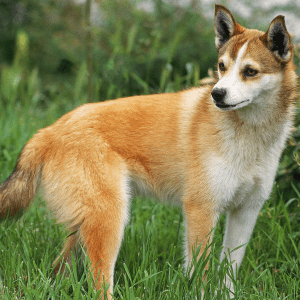
The Norwegian Lundehund is a small to medium-sized spitz-type dog with distinctive physical characteristics. This breed is renowned for its remarkable flexibility, possessing six fully functional toes on each foot, including two dew claws that can move independently. The Lundehund’s neck is highly flexible, allowing it to turn its head 180 degrees backward—a trait that proved invaluable for navigating narrow cliff crevices during puffin hunts.
Norwegian Lundehund Coat and Colors
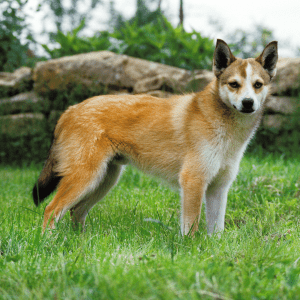
The Lundehund’s double coat is dense and weather-resistant, providing protection in the harsh Norwegian climate. Coat colors vary and include a range of shades, from red-brown to yellow-brown, with distinctive white markings on the face, neck, chest, and feet. Their unique coat not only adds to their charm but also serves as a testament to their adaptability in challenging environments.
Temperament and Personality of the Norwegian Lundehund
Beyond its physical uniqueness, the Norwegian Lundehund possesses a charming and intelligent personality. Known for their independence and strong will, Lundehunds are loyal and affectionate towards their families. Their alert nature makes them excellent watchdogs, while their playful demeanor endears them to both adults and children. Socialization is crucial for this breed, as their hunting instincts may lead them to be reserved around unfamiliar faces.
Exercise and Mental Stimulation
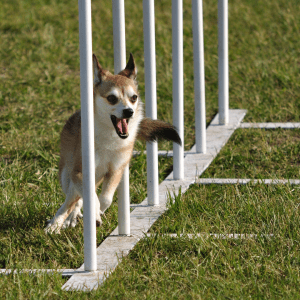
Given their historical role as puffin hunters, Norwegian Lundehunds have a natural inclination for physical activity. Regular exercise is essential to keep them happy and healthy. Engaging in interactive play, agility training, and puzzle-solving activities provides both physical and mental stimulation for these intelligent dogs. A well-exercised Lundehund is more likely to showcase its friendly and adaptable nature.
Training and Socialization
Training a Norwegian Lundehund requires patience and positive reinforcement. Their independent streak can make them a bit challenging for first-time dog owners, but consistent training from an early age helps establish a strong bond. Socialization is crucial to ensure they interact well with other pets and individuals. Early exposure to various environments and experiences contributes to a well-adjusted and confident Lundehund.
Norwegian Lundehund Health Considerations
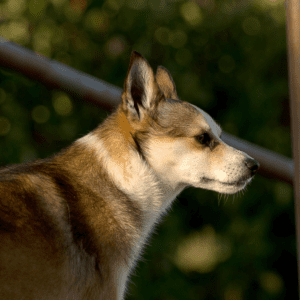
While the Norwegian Lundehund is generally a healthy breed, there are some considerations for potential owners. Their unique anatomy, including the extra toes and flexible neck, can sometimes lead to joint issues. Regular veterinary check-ups, a balanced diet, and appropriate exercise help maintain their overall well-being.
Breed Comparison
Norwegian Lundehund vs. the Swedish Vallhund
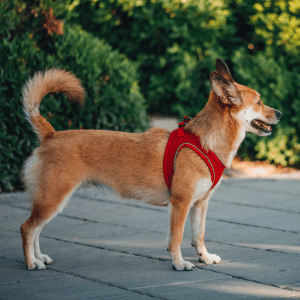
The Norwegian Lundehund and the Swedish Vallhund are distinct breeds with unique characteristics, origins, and purposes. Here’s a comparison and contrast between the two breeds:
Norwegian Lundehund
Origin:
The Norwegian Lundehund originated in Norway and was primarily used for hunting puffins and their eggs on steep cliffs along the Norwegian coast.
Physical Characteristics:
- Unique flexibility: Lundehunds are known for their exceptional flexibility, with the ability to turn their heads 180 degrees backward.
- Extra toes: Lundehunds typically have six fully functional toes on each foot, including two dewclaws on each hind leg.
Coat and Colors:
- Dense double coat: Lundehunds have a weather-resistant double coat that comes in various colors, including red-brown and yellow-brown, with distinctive white markings.
Temperament:
- Independent: Lundehunds are known for their independent nature and strong will.
- Loyal: They are loyal and affectionate towards their families.
- Alert: Lundehunds make good watchdogs due to their alert nature.
Exercise Needs:
- Moderate to high exercise requirements: Due to their historical role as puffin hunters, Lundehunds benefit from regular exercise and mental stimulation.
Recognition:
- AKC Recognition: The Norwegian Lundehund was recognized by the American Kennel Club (AKC) in 2011.
Swedish Vallhund
Origin:
- The Swedish Vallhund, also known as the “Viking Dog,” originated in Sweden and was historically used as a herding and farm dog.
Physical Characteristics:
- Corgi-like appearance: Vallhunds have a similar appearance to Welsh Corgis, with a long body, short legs, and erect ears.
- Tails: Vallhunds may be born with a natural bobtail, a short tail, or a full tail.
Coat and Colors:
- Double coat: Vallhunds have a double coat with a soft undercoat and a harsh outer coat. Coat colors include sable, red, and gray.
Temperament:
- Intelligent: Vallhunds are intelligent and responsive, making them trainable and eager to work.
- Energetic: They are energetic and enjoy activities such as herding and agility.
- Affectionate: Vallhunds are affectionate and form strong bonds with their families.
Exercise Needs:
Moderate exercise requirements: Vallhunds need regular exercise, including walks and playtime, to keep them physically and mentally stimulated.
Recognition:
AKC Recognition: The Swedish Vallhund was recognized by the American Kennel Club (AKC) in 2007.
Similarities:
- Origins: Both breeds have Scandinavian origins but were developed for different purposes – Lundehunds for hunting puffins and Vallhunds for herding.
- Physical Traits: Lundehunds are known for their unique flexibility and extra toes, while Vallhunds have a corgi-like appearance and may have a natural bobtail.
- Temperament: Lundehunds are independent and loyal, while Vallhunds are intelligent, energetic, and affectionate.
- Exercise Needs: Both breeds require regular exercise, but Lundehunds may have higher exercise needs due to their historical hunting role.
In summary, while both breeds have some common Scandinavian roots, the Norwegian Lundehund and the Swedish Vallhund have distinct features, temperaments, and historical roles that make them unique companions suited to different preferences and lifestyles.
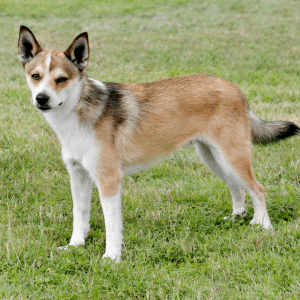
NORWEGIAN LUNDEHUND SUMMARY
Norwegian Lundehund Height: 12-16 inches
Norwegian Lundehund Weight: 13-20 lbs.
Norwegian Lundehund Colors: Reddish-brown, Yellowish-brown, Gray, Black, White
Norwegian Lundehund Temperament: Independent, Loyal, Alert, Playful, Strong-willed
Norwegian Lundehund Life Expectancy: 12-15 years
Conclusion
In conclusion, the Norwegian Lundehund stands out as a captivating and distinctive breed with a rich history and unparalleled physical traits. Whether you’re drawn to their remarkable flexibility, charming personality, or historical significance as puffin hunters, the Lundehund offers a unique and rewarding companionship. As with any dog breed, understanding their specific needs, providing proper training and socialization, and embracing their individual quirks contribute to a fulfilling relationship with this extraordinary “Puffin Dog.” Explore the wonders of the Norwegian Lundehund and embark on a journey with a truly exceptional canine companion.