


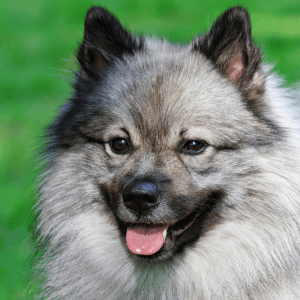
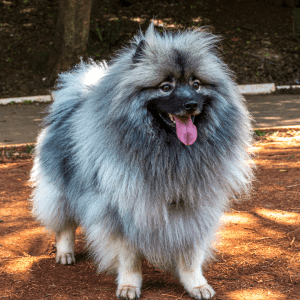
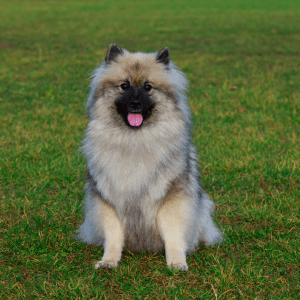
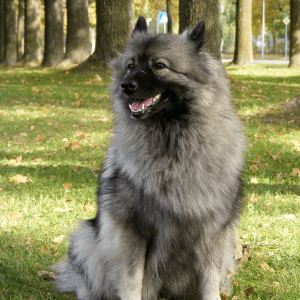
Keeshond is a breed of dog that originated in the Netherlands. They are a medium-sized dog that is known for their fluffy, thick coat and distinct “spectacles,” which are markings around their eyes.
Keeshonds are friendly, intelligent, and loyal dogs that make excellent family pets. They are often described as being good with children and other pets, and they are known for their playful and affectionate personalities.
However, like all dogs, Keeshonds require proper training and socialization from a young age to ensure they become well-behaved and well-adjusted adults. They also require regular exercise and grooming to keep their coat in good condition.
Overall, Keeshonds are a great choice for anyone looking for a friendly and loyal companion that is also relatively easy to care for.
Keeshonds belong to the spitz family of dogs, which are characterized by their thick fur, pointed ears, and curled tails.
The breed was named after a Dutch patriot and politician named Cornelis (Kees) de Gyselaer, who was known for his support of the Dutch Patriot Party in the 18th century.
The Keeshond is one of the national symbols of the Netherlands, along with the tulip and the windmill.
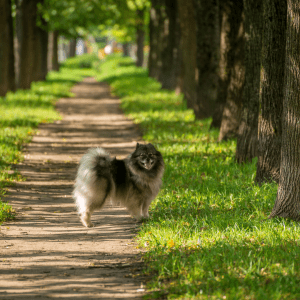
To properly care for a Keeshond, here are some important considerations:
Exercise
Keeshonds are active dogs that require daily exercise to keep them healthy and happy. A daily walk or jog, along with some playtime, will help fulfill their exercise needs.
Grooming
Keeshonds have a thick double coat that requires regular brushing to prevent matting and to keep their coat healthy and shiny. They shed seasonally, so extra brushing during these times can help control shedding.
Diet
Keeshonds should be fed a well-balanced diet appropriate for their age, size, and activity level. Overfeeding can lead to obesity, which can cause health problems such as joint issues.
Training
Keeshonds are intelligent and trainable dogs that respond well to positive reinforcement-based training. Early socialization and training are important to ensure that they become well-adjusted adults.
Health
Regular veterinary checkups are important to keep your Keeshond healthy. They are prone to certain health issues, so it’s important to stay on top of their health needs.
Mental Stimulation
Keeshonds are intelligent dogs that require mental stimulation to prevent boredom and destructive behaviors. Puzzle toys, training exercises, and other mentally stimulating activities can help keep them mentally stimulated.
Love and Attention
Keeshonds are social dogs that crave attention and love from their owners. They make great family pets and should be included in family activities whenever possible.
In summary, caring for a Keeshond requires providing them with proper nutrition, exercise, grooming, and training, as well as regular veterinary checkups and plenty of love and attention.
Breed Confusion
Keeshond vs. Norwegian Elkhound
The Keeshond and the Norwegian Elkhound are often confused due to their somewhat similar appearances, with both having thick double coats and a curled tail. Additionally, their origins in northern European countries and some shared behavioral traits, such as independence and alertness, can further contribute to the confusion between the two breeds.
Let’s compare and contrast the Keeshond and the Norwegian Elkhound based on various aspects:
Keeshond:
- Origin: The Keeshond originated in the Netherlands and was historically used as a watchdog and companion.
- Appearance: They have a fox-like appearance with a thick double coat that is silver, black, and cream. They have distinctive “spectacles” markings around their eyes.
- Temperament: Keeshonds are known for being friendly, affectionate, and social dogs. They are good with children and make excellent family pets. They are also alert and make decent watchdogs.
- Trainability: Keeshonds are intelligent and eager to please, making them relatively easy to train. Positive reinforcement methods work well with this breed.
- Exercise Needs: They have moderate energy levels and require regular exercise, such as daily walks and playtime.
Norwegian Elkhound:
- Origin: The Norwegian Elkhound, as the name suggests, is from Norway and was originally used for hunting large game, including elk and other wild animals.
- Appearance: They have a wolf-like appearance with a dense, silver-gray coat. They are strong and sturdy dogs with a curled tail.
- Temperament: Norwegian Elkhounds are independent and can be a bit aloof with strangers. They are loyal and protective of their families but may not be as outgoing as the Keeshond.
- Trainability: They are intelligent but can be a bit stubborn and independent, which may make training more challenging. Consistent and patient training methods are important.
- Exercise Needs: Norwegian Elkhounds have good stamina and need regular exercise to keep them mentally and physically stimulated. They enjoy activities such as hiking and jogging.
Comparison:
→ Both breeds have a thick double coat, are intelligent, and have a history of being used as hunting dogs.
→ Keeshonds tend to be more outgoing and social with people, while Norwegian Elkhounds can be reserved and aloof with strangers.
→ Norwegian Elkhounds may require more exercise and mental stimulation compared to Keeshonds due to their hunting background.
→ Both breeds can make good family pets, but the Keeshond may be more suitable for families with children due to their friendly and affectionate nature.
→ Keeshonds may be somewhat easier to train than Norwegian Elkhounds, who can be more independent and strong-willed.
Remember that individual dogs’ personalities can vary widely within any breed. If you are considering either of these breeds, it’s essential to spend time with individual dogs and consider their specific needs, temperament, and compatibility with your lifestyle and preferences. Proper training, socialization, and care are essential for raising a well-adjusted and happy companion.
FUN FACTS
Here are some fun and little-known facts about Keeshonds:
- Keeshonds were popular on Dutch riverboats in the 18th century, where they served as watchdogs and helped keep the boats free of rats.
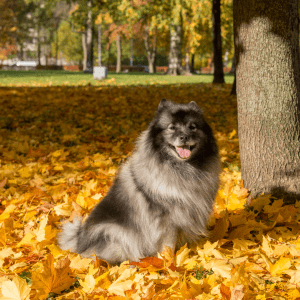
- The Keeshond’s distinctive “spectacles” are caused by the combination of darker fur around the eyes and lighter fur on the rest of the face.
- The breed is sometimes called the “smiling Dutchman” because of their friendly and happy expression.
- Keeshonds were once used to deliver messages during World War II due to their intelligence and trainability.
- The Keeshond was the mascot of the Dutch Patriot Party, and their popularity increased during the party’s heyday in the late 1700s.
- The breed is known for being particularly fond of children and often forms strong bonds with them.
- Keeshonds are sometimes used as therapy dogs because of their gentle and comforting nature.
- Despite their thick fur, Keeshonds do not shed excessively and are considered to be a hypoallergenic breed.
- The breed has also been owned by several notable figures throughout history, including Queen Victoria and King George V.
- Keeshonds are excellent at agility and obedience competitions, and they have won numerous awards in these categories.
READY TO ADD A KEESHOND TO YOUR HOME OR FAMILY?
Keeshonds make wonderful family pets due to their friendly and affectionate nature, making them great companions for children and adults alike. Their intelligence and eagerness to please also make them relatively easy to train, creating a strong bond with their owners.
Before getting a Keeshond, however, there are several essential factors to consider. Here are some key points to think about:
Breed Characteristics: Research the breed’s characteristics thoroughly to understand their temperament, energy levels, exercise needs, grooming requirements, and potential health issues. Ensure that the Keeshond’s traits align with your lifestyle and preferences.
Exercise and Activity: Keeshonds are moderately active dogs and require regular exercise to stay happy and healthy. They enjoy activities such as walks, playtime, and mental stimulation. Make sure you have enough time and commitment to meet their exercise needs.
Space and Living Situation: Keeshonds can adapt to different living environments, but they generally do better in homes with a yard or access to outdoor spaces. Apartments can work if the dog receives sufficient exercise and mental stimulation.
Training and Socialization: Keeshonds are intelligent and eager to please, making them relatively easy to train with positive reinforcement methods. Early training and socialization are essential to ensure they grow up to be well-adjusted and friendly around other dogs and people.
Time Commitment: Dogs, including Keeshonds, require time, attention, and care. Consider your daily schedule and whether you can dedicate enough time to training, exercise, play, grooming, and general care.
Family Dynamics: Consider how a Keeshond will fit into your family. Are there children, other pets, or elderly family members? Research how the breed interacts with different family members and other animals.
Grooming Needs: Keeshonds have a thick double coat that requires regular grooming to prevent matting and keep it in good condition. Be prepared for regular brushing and occasional shedding.
Healthcare and Expenses: Dogs require regular vet visits, vaccinations, preventive medications, and occasional medical care. Factor in the cost of these necessities when budgeting for a Keeshond.
Breeders and Adoption: If you decide on a Keeshond, choose a reputable breeder or consider adopting from a rescue or shelter. Responsible breeders ensure proper breeding practices, health testing, and socialization, which helps in getting a healthy and well-adjusted puppy.
Long-term Commitment: Owning a Keeshond is a long-term commitment, as they can live around 12-15 years. Be prepared to care for the dog throughout its life and provide a stable and loving home.
Allergies and Sensitivities: Consider any allergies or sensitivities you or your family members may have to dogs before bringing a Keeshond into your home.
Taking the time to consider these factors and doing thorough research will help ensure that you and a Keeshond are a good match and that you can provide the best possible life for your future canine companion.
Grab your FREE New Puppy Success Guide to help select, prepare for, and train your new puppy!! 

If you are looking to purchase a Keeshond in the USA, there are a few different options you can explore:
- Reputable Breeders: Look for reputable Keeshond breeders who follow ethical breeding practices. You can find a list of breeders through the Keeshond Club of America (KCA) or regional Keeshond clubs. Reputable breeders will provide health testing for their breeding dogs, offer socialization for puppies, and be transparent about their breeding practices.
- Rescue Organizations: Consider adopting a Keeshond from a breed-specific rescue organization or a general animal shelter. Many Keeshonds are in need of loving homes and may be available for adoption. Rescue organizations can be found through websites like Petfinder or Adopt-a-Pet.
- Dog Shows and Events: Attending dog shows, events, or specialty shows related to Keeshonds can provide an opportunity to meet breeders, owners, and enthusiasts who may have information about available puppies or upcoming litters.
- Online Platforms: Some online classified platforms provide listings for Keeshond breeders or available puppies.
DON’T FORGET TO CHECK OUT OUR KEESHOND 101 VIDEO ON YOUTUBE!!
Keeshond Puppy Prices
Keeshond puppy prices can vary significantly based on various factors such as the pedigree of the parents, the reputation of the breeder, location, and the overall quality of the puppies. On average, Keeshond puppies from reputable breeders can cost anywhere from $1,000 to $3,000 or more in the United States. Show-quality or puppies from champion bloodlines might be priced higher.
Remember that acquiring a dog is a significant decision and responsibility. Take the time to find a reputable source, meet the dog’s parents if possible, and ensure that you can provide a loving and stable home for your new Keeshond companion. Always do thorough research and ask questions when contacting breeders or rescue organizations to ensure that you are getting a healthy and well-cared-for puppy or dog.
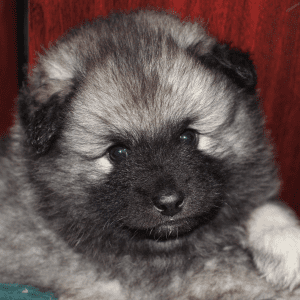
Remember to always consult with your veterinarian for specific product recommendations and advice tailored to your Keeshond puppy’s age, health, and individual needs. Providing your Keeshond puppy with the right products and early training will help them develop into a well-rounded and happy adult Keeshond.
Keep in mind that the purchase of any dog is a big decision and responsibility, and it is important to choose a breed that fits your lifestyle and preferences.
SUMMARY
Keeshond Height: 16-18 inches
Keeshond Weight: 30-45 lbs.
Keeshond Colors: Mix of various shades of gray and black with cream or silver markings
Keeshond Temperament: Affectionate, Friendly, Playful, Alert, Intelligent.
Keeshond Life Expectancy: 12-15 years.
Overall, the Keeshond is an affectionate and loyal companion, always ready to be by your side with their friendly and playful nature.
Want some more ways to spread the Keeshond love?
Follow these hashtags on social media: #Keeshond #Keeshonden #KeeshondLove #KeeshondLife #KeeshondPersonality #KeeshondCommunity #KeeshondTales #AdorableKeeshonds #KeeshondGram #KeeshondClub #KeeshondWorld
Print this FREE Keeshond Coloring Page!
Connect with us on social media to see more about the Keeshond!