



The Harrier dog is a breed of scent hound that originated in England. Harriers were originally bred for hunting hares, and they are still used for hunting today in some parts of the world.
They have a keen sense of smell and are excellent trackers, making them ideal for hunting small game. However, they are also popular as family pets due to their friendly and sociable nature.
It is a medium-sized dog, typically weighing between 45 and 65 pounds, and standing 19 to 21 inches tall at the shoulder. The Harrier is similar in appearance to the Beagle, but is larger and has longer legs.
Harriers are generally healthy dogs with a lifespan of 12 to 15 years. They require regular exercise to keep them fit and healthy, and are best suited to an active family who can provide them with plenty of opportunities to run and play. They are intelligent dogs and respond well to positive reinforcement training methods.
Overall, the Harrier is a loyal and affectionate breed that makes a great companion for those who enjoy an active lifestyle.

Here are some additional details about the Harrier breed:
History
The Harrier is believed to have been developed in England in the 13th century. It was bred to hunt hares in packs and was a popular breed among the nobility. The Harrier’s popularity declined in the 18th and 19th centuries as fox hunting became more popular, but it has since regained some popularity as a hunting and family dog.
Appearance
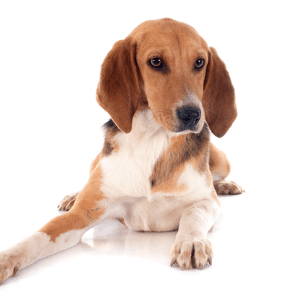
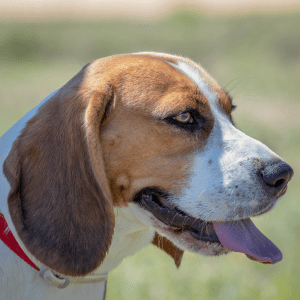
The Harrier has a short, dense coat that is typically tricolor (black, white, and tan) or red and white. Its ears are long and drooping, and its tail is medium-length and slightly curved. The Harrier’s legs are long and muscular, giving it a distinctive appearance.
Temperament
Harriers are friendly and outgoing dogs that get along well with people and other animals. They are pack animals by nature and enjoy being part of a family. Harriers are known for their energy and enthusiasm, and they require plenty of exercise to stay happy and healthy. They are also intelligent and independent, which can make them a bit stubborn at times.
Training
Harriers are intelligent dogs that are generally easy to train. Positive reinforcement methods such as treats, praise, and play are effective with this breed. Harriers can be stubborn, so consistency and patience are key when training them.
Health
Like all breeds, Harriers are susceptible to certain health issues. Some of the most common health concerns in this breed include hip dysplasia, ear infections, and obesity. It is important to keep your Harrier at a healthy weight and to schedule regular checkups with your veterinarian to catch any health issues early.
Exercise
Harriers are high-energy dogs that require plenty of exercise to stay happy and healthy. They enjoy long walks, hikes, and runs, and they also enjoy playing games such as fetch and tug-of-war. Harriers should have access to a securely fenced yard or be walked on a leash to prevent them from running off after a scent.
Breed Confusion
Harrier vs. Beagle
The breed often confused with the Harrier is the Beagle, mainly because both breeds share a similar appearance and ancestry as scent hounds, but the Harrier is larger and has distinct breed characteristics.
here’s a comparison and contrast between the Harrier and the Beagle:
Appearance
Harrier:
The Harrier is a medium-sized hound breed with a well-proportioned body.
They typically stand 21 to 22 inches tall at the shoulder.
Their coat is short and dense, with colors often including tricolor (black, tan, and white).
Beagle:
The Beagle is a smaller hound breed known for its compact and muscular build.
They typically stand 13 to 15 inches tall at the shoulder.
Beagles have a short, dense coat that comes in various color combinations, including tri-color, lemon and white, and red and white.
Temperament
Harrier:
Harriers are friendly, outgoing, and known for their sociable nature.
They are often good with children and other dogs.
They have a strong hunting instinct and enjoy outdoor activities.
Beagle:
Beagles are friendly, curious, and affectionate dogs.
They are also known for being good with children and other dogs.
Beagles have a strong sense of smell and are often motivated by their noses.
Exercise Needs
Harrier:
Harriers are an active breed that requires regular exercise and outdoor activities.
They enjoy long walks, running, and playtime.
Beagle:
Beagles are also active dogs that require exercise and mental stimulation.
They enjoy outdoor exploration and may follow scents during walks.
Trainability
Harrier:
Harriers are intelligent but can be independent and may require patient and consistent training.
They respond well to positive reinforcement methods.
Beagle:
Beagles are intelligent but can be easily distracted by scents.
Training requires patience and consistency, and using their strong sense of smell as a motivator can be effective.
Health
Harrier:
Harriers are generally healthy but can be prone to some health issues such as hip dysplasia, ear infections, and obesity.
Beagle:
Beagles are also generally healthy but can be prone to conditions like hip dysplasia, ear infections, and obesity. They may also be prone to back problems due to their longer backs.
In summary, while both the Harrier and Beagle are hound breeds with friendly and sociable temperaments, they differ in size, appearance, exercise needs, trainability, and potential health concerns. Your choice between them should depend on your preferences and lifestyle.

FUN FACTS
Here are some fun facts about the Harrier dog breed:
- The Harrier is one of the rarest breeds in the world, with only a few thousand registered worldwide.
- The Harrier is one of the oldest British hound breeds, with a history dating back to the 13th century.
- The Harrier was originally bred to hunt hares in packs, but it can also be used for fox hunting and other small game.
- Harriers are known for their excellent sense of smell, which is said to be second only to that of the Bloodhound.
- The Harrier is the official state dog of Virginia in the United States.
- Harriers were once used as couriers in England, carrying messages between towns and villages.
- Harriers are often mistaken for Beagles, but they are larger and have longer legs.
- The Harrier’s name comes from the French word “harrier,” which means “to hunt.”
- Harriers are very sociable dogs and enjoy being part of a pack or family.
- Harriers have a loud and distinctive baying bark, which they use to communicate with their owners and fellow dogs.

READY TO ADD A HARRIER TO YOUR HOME OR FAMILY?
The Harrier makes an excellent pet for active families who enjoy outdoor adventures, thanks to its friendly and sociable nature coupled with its love for outdoor exercise and play. Their affable temperament and affectionate disposition make them loyal companions, but they do require regular exercise and mental stimulation to keep them happy and healthy.
Before getting a Harrier, however, there are several important factors to consider:
Activity Level: Harriers are an active breed that requires regular exercise and outdoor activities. Ensure your lifestyle can accommodate their need for physical activity and mental stimulation.
Space: Harriers are medium-sized dogs and need enough room to move around comfortably. A spacious backyard or access to open areas for exercise is beneficial.
Training Commitment: Harriers are intelligent but can be independent. Be prepared to invest time and effort into consistent training, especially in areas like recall due to their strong hunting instincts.
Socialization: Proper socialization is essential from a young age to ensure they are well-adjusted and comfortable around other dogs and people.
Hunting Instinct: Harriers have a strong hunting instinct, and they may chase small animals. Be cautious and use a leash when walking them in areas with wildlife.
Grooming: Harriers have a short coat that is relatively low-maintenance, but regular brushing and occasional baths may be necessary.
Healthcare: Be prepared for routine veterinary care, vaccinations, and potential breed-specific health concerns. Choose a reputable breeder who prioritizes the health of their dogs.
Time Commitment: Harriers thrive on companionship and attention. Ensure you have enough time to spend with your Harrier, as they can become anxious or bored when left alone for extended periods.
Budget: Consider the financial aspects of dog ownership, including food, veterinary care, grooming, and other potential expenses.
Compatibility: Assess whether a Harrier is the right breed for your family and living situation, taking into account other pets or family members.
Breeder or Rescue: Choose a responsible breeder who follows ethical breeding practices and prioritizes the well-being of the dogs. Alternatively, consider adopting from a rescue organization to provide a loving home to a Harrier in need.
Taking these factors into account and conducting thorough research on the breed will help ensure a happy and harmonious life with your Harrier companion.
Grab your FREE New Puppy Success Guide to help select, prepare for, and train your new puppy!! 

If you are interested in buying a Harrier, here in the USA, there are a few options available to you:
- Reputable Breeders: Start by looking for reputable Harrier breeders in the USA. You can search for breeders through the American Kennel Club (AKC) website or contact breed-specific organizations like the Harrier Club of America. Reputable breeders prioritize the health and well-being of their dogs and adhere to responsible breeding practices.
- Rescue Organizations: Consider checking with Harrier rescue organizations or general dog rescue groups. While Harrier puppies may be less common in rescue, they can occasionally become available for adoption. Websites like Petfinder or contacting the Harrier Club of America for rescue recommendations can be helpful.
- Online Puppy Search: Explore reputable online platforms and classified websites to search for Harrier puppies for sale. Be cautious when using online sources and thoroughly research breeders to ensure they are reputable and prioritize the health of their dogs.
Harrier Puppy Prices
Harrier puppies’ prices could vary significantly based on several factors such as breeder reputation, bloodline, location, and the puppy’s pedigree. On average, Harrier puppies from a reputable breeder can cost anywhere between $800 to $1500 or more in the United States. However, prices might fluctuate, and it’s essential to consider additional expenses like initial vet check-ups, vaccinations, food, grooming, and other supplies.
Remember to adapt these product recommendations to your individual Harrier’s needs and preferences. Regular veterinary care, proper training, and exercise are essential to keep your Harrier happy and healthy.
Keep in mind that the purchase of any dog is a big decision and responsibility, and it is important to choose a breed that fits your lifestyle and preferences.
SUMMARY
Harrier Height: 21-22 inches
Harrier Weight: 45-60 lbs.
Harrier Colors: Tri-Color
Harrier Temperament: Friendly, Outgoing, Sociable, Energetic, Playful
Harrier Life Expectancy: 10-14 years.
Overall, the Harrier makes a wonderful companion with its friendly disposition, boundless energy, and affectionate nature, making it an excellent choice for active families and individuals who enjoy outdoor adventures.
Want some more ways to spread the Harrier love?
Follow these hashtags on social media: #harrier #harriersofinstagram #harrierlove #harrierpuppy #harrierworld #harrieroftheday #harrierclub #harrierlovers #harrierlife #harrierdaily #harriersofig #harriercommunity #harrierdog #harrieradventures #harriergram #harrierfans #harrierbreed #harrierlifeisthebestlife #harrierworldwide #harrierpup #harriersmile #harrierstyle #harriergoals #harrierdailyfeature #harrierpower #harrierfuntime #harriermoments #harrierappreciation #harrierproud #harriervibes
Print this FREE Harrier Coloring Page!
Connect with us on social media to see more about the Harrier!