

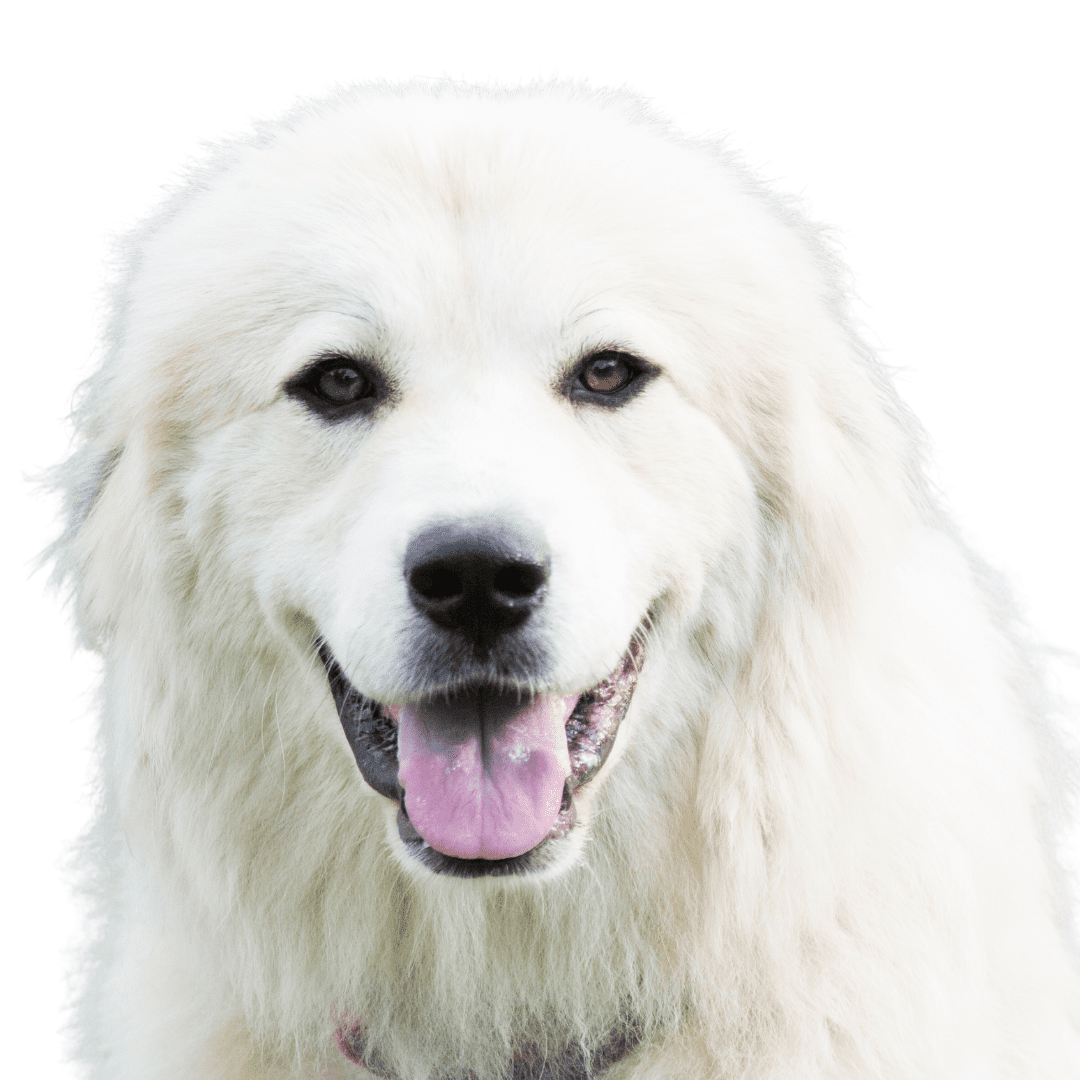

Great Pyrenees, also known as the Pyrenean Mountain Dog, is a large breed of dog that originated from the Pyrenees mountains in France and Spain. They were originally bred as livestock guardians to protect sheep and other farm animals from predators.
Great Pyrenees are known for their thick, white fur, which serves as insulation against the cold and provides camouflage in snowy environments. They are also characterized by their muscular build and powerful jaws.
These dogs are intelligent and independent, and require early socialization and training. They are gentle and affectionate with their families, but can be wary of strangers and protective of their territory.
Great Pyrenees are generally healthy, but can be prone to certain health issues such as hip dysplasia, bloat, and skin allergies. They require regular grooming to maintain their thick coats and prevent matting.
Great Pyrenees make loyal and devoted companions for those who are prepared to provide them with the proper care and training they need.
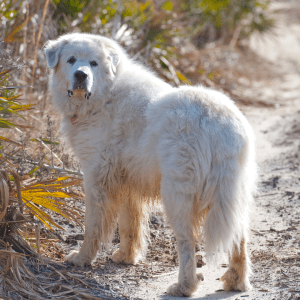
Here is some more detailed information on Great Pyrenees:
Size and Appearance: Great Pyrenees are a large breed of dog, with males typically standing 27-32 inches tall at the shoulder and weighing between 100-160 pounds, while females stand 25-29 inches tall and weigh 85-115 pounds. They have a distinctive thick, white double coat that sheds heavily twice a year.
Temperament: Great Pyrenees are known for their gentle and patient nature, but can also be independent and stubborn. They are very loyal to their families and have a strong protective instinct, which can make them wary of strangers. Early socialization and training is important to prevent them from becoming overly territorial or aggressive.
Exercise and Training: Great Pyrenees are a moderately active breed that require daily exercise, such as long walks or hikes, to keep them healthy and happy. They also enjoy having a job to do, such as patrolling their yard or guarding livestock. Positive reinforcement training methods work best with Great Pyrenees, as they can be sensitive to harsh corrections.
Health: Great Pyrenees are generally healthy dogs, with a lifespan of 10-12 years. However, they are prone to certain health issues such as hip dysplasia, bloat, skin allergies, and eye problems. Regular vet check-ups and proper grooming can help prevent and manage these health issues.
Living with a Great Pyrenees: Great Pyrenees are best suited for homes with a large, fenced yard where they can exercise and patrol their territory. They are adaptable to different living situations, but may not do well in apartments or small homes. They are also not recommended for first-time dog owners, as they require a firm and consistent hand in training and socialization.
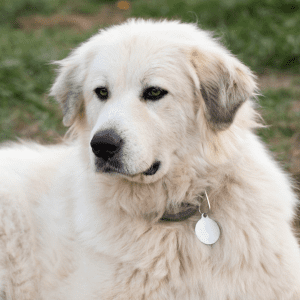
Breed Confusion
Great Pyrenees vs. Kuvasz
The Great Pyrenees and the Kuvasz are two large, white, and noble breeds with a history of working as livestock guardian dogs. While they share some similarities, they also have distinct differences in terms of temperament, appearance, and care.
Here’s a comparison and contrast of the Great Pyrenees and the Kuvasz:
Great Pyrenees
Origin: The Great Pyrenees, also known as the Pyrenean Mountain Dog, hails from the Pyrenees Mountains of France and Spain.
Size: They are large dogs, with males typically standing between 27 to 32 inches tall at the shoulder and females slightly smaller.
Coat: Great Pyrenees have a thick, double coat with a pure white color. They have a weather-resistant outer coat and a dense, insulating undercoat.
Temperament: They are known for their gentle and protective nature. Great Pyrenees are calm, patient, and devoted to their families, making them excellent family pets and livestock guardians.
Energy Level: While they are calm indoors, they have bursts of energy and need regular exercise, but they are not overly active dogs.
Socialization: Great Pyrenees can be reserved and cautious around strangers. Early socialization is essential to ensure they are well-adjusted and comfortable with different people and situations.
Grooming: They require regular grooming to manage their thick coat and prevent matting. They also shed seasonally.
Kuvasz
Origin: Kuvasz dogs have Hungarian origins and were traditionally used as livestock guardians in Hungary.
Size: Kuvasz dogs are slightly smaller than Great Pyrenees, with males typically standing between 28 to 30 inches (71-76 cm) tall and females slightly smaller.
Coat: They also have a dense double coat, but their coat is coarser and tends to be more wavy than the Great Pyrenees. Their coat is also pure white.
Temperament: Kuvasz dogs are known for their protective instincts and strong loyalty to their families. They can be more independent and assertive compared to the gentle and patient nature of the Great Pyrenees.
Energy Level: Kuvasz dogs are active and require regular exercise and mental stimulation to prevent boredom and potential behavior issues.
Socialization: They are typically reserved and wary of strangers, which makes early socialization crucial to ensure they are well-behaved and not overly aggressive.
Grooming: Like the Great Pyrenees, Kuvasz dogs require regular grooming to maintain their coat and manage shedding.
In summary, both the Great Pyrenees and the Kuvasz are majestic white guardian breeds with similar working backgrounds, but they have differences in temperament, size, and energy levels. Choosing between them should be based on your lifestyle, preferences, and the specific role you need them to play in your household or on your farm. Proper training and socialization are essential for both breeds to ensure they are well-behaved and safe companions.
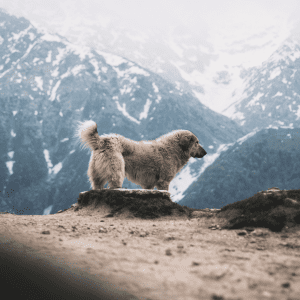
FUN FACTS
Here are some fun facts about Great Pyrenees:
- Great Pyrenees were originally bred to protect livestock, and their thick coats help keep them warm in cold mountain climates.
- Great Pyrenees are known for their barking and howling, which they use to communicate with their owners and protect their territory.
- Great Pyrenees have been used for search and rescue operations due to their strong sense of smell and tracking abilities.
- Great Pyrenees have a unique trait called “double dewclaws,” which is an additional toe and nail on their hind legs that help them maintain their balance when climbing and descending mountainous terrain.
- Great Pyrenees were bred as working dogs and have a strong work ethic, but they also make great family pets and are known for their gentle and patient nature.
- Great Pyrenees are very protective of their families and can be wary of strangers, but they can also be quite goofy and playful with their loved ones.
- Great Pyrenees have been known to act as “nannies” for other animals, including baby goats, sheep, and even kittens.
- Great Pyrenees are sometimes referred to as the “gentle giant” of the dog world due to their large size and gentle temperament.
- Great Pyrenees were recognized as a breed by the American Kennel Club in 1933.

READY TO ADD A GREAT PYRENEES TO YOUR HOME OR FAMILY?
The Great Pyrenees makes a loving and protective pet, known for their gentle and loyal nature, making them excellent companions for families and individuals alike. They are calm and patient indoors but will readily spring into action to guard and protect their loved ones when the need arises.
Before getting a Great Pyrenees as a pet, there are several important factors to consider:
Size and Space: Great Pyrenees are large dogs that require ample space. Make sure you have a home with enough room for them to move comfortably, and a secure, fenced yard to accommodate their size.
Exercise Needs: While they are not overly active, Great Pyrenees still require regular exercise to stay healthy and mentally stimulated. Be prepared to provide daily walks and playtime.
Grooming: Their thick double coat requires regular grooming to prevent matting and shedding. Be prepared for brushing and occasional baths, especially during shedding seasons.
Socialization: Early socialization is crucial to ensure they are well-adjusted and comfortable around other dogs and people. They can be reserved and protective by nature, so proper socialization is essential.
Training: Great Pyrenees are intelligent but can be independent thinkers. Consistent and patient training is necessary to establish boundaries and manners, especially given their protective instincts.
Healthcare: Understand potential health issues common to the breed, such as hip dysplasia and bloat. Regular veterinary check-ups and preventive care are essential to keep them healthy.
Lifestyle: Consider your own lifestyle and how it aligns with the needs of a Great Pyrenees. They are known for their loyalty and protective instincts, so they may not be the best choice for families with very young children or those who are frequently away from home.
Protection and Livestock: Historically, Great Pyrenees were bred as livestock guardians. If you intend to have them around other animals, ensure they are properly trained and have a job to do. They may not be suitable for households with small pets like cats or rabbits.
Commitment: Great Pyrenees have a relatively long lifespan, and they require a lifelong commitment in terms of care, attention, and exercise.
Breeder Selection: Choose a reputable breeder who focuses on breeding healthy and well-tempered dogs. Research breeders thoroughly and ask about health clearances for the parents.
Potential Allergies: Be aware that their thick coat may contribute to allergies in some individuals. Spend time with the breed to see if you or family members have any allergic reactions.
Weather Considerations: Great Pyrenees have a thick coat designed to protect them in cold climates. If you live in a hot region, be prepared to provide them with shade and plenty of water during hot weather.
By carefully considering these factors and conducting thorough research, you can determine whether a Great Pyrenees is the right fit for your lifestyle and living situation. They can be wonderful and loyal companions when their needs are met, but responsible ownership is essential to ensure a happy and healthy relationship with this breed.
Grab your FREE New Puppy Success Guide to help select, prepare for, and train your new puppy!! 

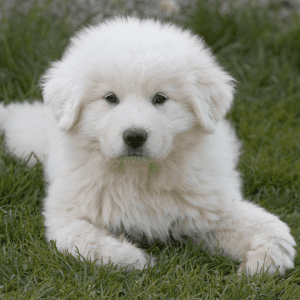
If you are interested in buying a Great Pyrenees, here in the USA, there are a few options available to you:
- Reputable Breeders: Look for breeders who specialize in Great Pyrenees and are known for responsible breeding practices. You can find them through breed-specific organizations like the Great Pyrenees Club of America or regional Great Pyrenees clubs.
- Rescue Organizations: Consider adopting a Great Pyrenees puppy from a rescue organization or shelter. There are breed-specific rescue groups that focus on Great Pyrenees, and they sometimes have puppies available for adoption.
- Online Databases: Websites like the American Kennel Club (AKC) have breeder directories where you can search for Great Pyrenees breeders in your area.
- Dog Shows and Events: Attend dog shows, events, or local breed club meetings to meet breeders and get recommendations.
- Local Veterinarians: Your local veterinarian may have information about reputable breeders or rescue organizations in your area.
- Networking: Reach out to Great Pyrenees enthusiasts and owners through online forums, social media groups, or local dog clubs. They may be able to provide recommendations or connect you with breeders or rescue organizations.
DON’T FORGET TO CHECK OUT OUR GREAT PYRENEES 101 VIDEO ON YOUTUBE!!

Great Pyrenees Puppy Prices
The price of a Great Pyrenees puppy can vary significantly based on several factors including breeder reputation, location, lineage, and the puppy’s pedigree.
On average, Great Pyrenees puppies from reputable breeders can cost anywhere from $500 to $2000 or more. However, prices can go higher for puppies from champion bloodlines, exceptional pedigrees, or those that come from breeders who conduct extensive health testing on their parent dogs.
Remember to thoroughly research any breeder or rescue organization you consider and ask questions about the health, socialization, and overall care of the puppies. Responsible breeders should provide health clearances for the parents, information on the puppy’s upbringing, and be willing to answer any questions you have.
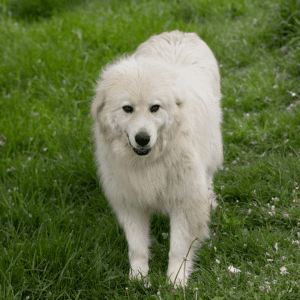
Remember that the specific products you need may vary based on your puppy’s age, size, and individual needs. Consult with your veterinarian and consider the advice of experienced dog owners or breeders to ensure you have all the necessary items to provide a happy and healthy start for your Great Pyrenees puppy.
Keep in mind that the purchase of any dog is a big decision and responsibility, and it is important to choose a breed that fits your lifestyle and preferences.
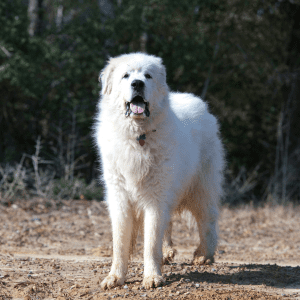
SUMMARY
Great Pyrenees Height: 25-29 inches for females, 27-32 inches for males
Great Pyrenees Weight: 80-115 lbs for females, 100-160 lbs for males
Great Pyrenees Colors: White
Great Pyrenees Temperament: Protective, Loyal, Gentle, Independent, Confident
Great Pyrenees Life Expectancy: 10-12 years.
Overall, the Great Pyrenees makes a devoted and gentle companion, offering both unwavering loyalty and a calm presence to its family.
Want some more ways to spread the Great Pyrenees love?
Follow these hashtags on social media: #greatpyrenees #greatpyreneesofinstagram #greatpyreneeslove #greatpyreneesclub #greatpyreneespuppy #greatpyreneeslovers #greatpyreneesbreed #greatpyreneesofig #greatpyreneesworld #greatpyreneesrock
Print this FREE Great Pyrenees Coloring Page!
Connect with us on social media to see more about the Great Pyrenees!