



The Flat-Coated Retriever is a breed of dog that was originally developed in the United Kingdom in the 19th century. They were bred to be hunting companions, particularly for retrieving game from water.
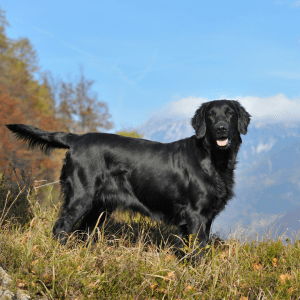
Flat-Coated Retrievers are medium to large-sized dogs, standing between 22 and 24 inches (56-61 cm) tall at the shoulder and weighing between 55 and 80 pounds (25-36 kg). They have a distinctive coat that is dense, flat, and shiny, and can be black or liver-colored.
These dogs are known for being friendly, outgoing, and active. They are intelligent and trainable, making them good candidates for obedience training, agility, and other activities. They are also loyal and affectionate with their families, but can be reserved with strangers.
As with all breeds, Flat-Coated Retrievers can be prone to certain health issues, such as hip dysplasia, cancer, and eye problems. It’s important to obtain a puppy from a reputable breeder who health-tests their breeding dogs.
The Flat-Coated Retriever is a versatile and loving breed that makes an excellent family pet for those who have the time and energy to devote to their care and training.
Here’s some additional information on the Flat-Coated Retriever:
History
The Flat-Coated Retriever was first developed in the mid-19th century by crossing various retriever and spaniel breeds, including the Newfoundland, Labrador Retriever, Setter, and Water Spaniel. They were initially called “Wavy-Coated Retrievers” but were later renamed “Flat-Coated Retrievers” due to their distinctive coat.
Coat and Grooming
As mentioned, the Flat-Coated Retriever has a dense, flat, and shiny coat that can be black or liver-colored. They have feathering on their legs, ears, and tail. Their coat requires regular brushing to prevent matting and to remove loose hair. They also need occasional baths and nail trims.
Exercise and Training
Flat-Coated Retrievers are active dogs that require daily exercise and mental stimulation. They enjoy activities such as swimming, retrieving, hiking, and playing with their owners. They are also highly trainable and excel in obedience, agility, and other dog sports.
Temperament
Flat-Coated Retrievers are known for being friendly, outgoing, and sociable. They are affectionate with their families and generally good with children and other pets. However, they can be reserved with strangers and may require early socialization to prevent shyness or aggression.
Health
Like all breeds, Flat-Coated Retrievers are prone to certain health issues, such as hip dysplasia, cancer, and eye problems. Regular veterinary check-ups and health screenings can help to catch and treat any issues early on.
Lifespan
The average lifespan of a Flat-Coated Retriever is around 10-12 years.
In summary, the Flat-Coated Retriever is a loving, active, and intelligent breed that can make a great addition to the right family. As with any dog, it’s important to do your research and make sure you can provide for their physical and emotional needs before bringing one into your home.

Breed Confusion
Flat-Coated Retriever vs. Labrador Retriever
The Labrador Retriever is often confused with the Flat-Coated Retriever. Both breeds are similar in size and share some physical characteristics, which can lead to confusion, especially for those who are not familiar with dog breeds.
Here are some reasons why they are often confused:
Flat-Coated Retriever
Appearance
- The Flat-Coated Retriever is known for its elegant and sleek appearance.
- They have a long, narrow head with a well-defined forechest.
- The coat is long, flat, and glossy, with feathering on the legs, tail, and ears.
- Coat colors include black and liver (a deep brown).
- They have a long, feathered tail.
Temperament
- Friendly, outgoing, and exuberant. Flat-Coated Retrievers are known for their cheerful disposition.
- They tend to be more independent thinkers than some other retriever breeds, which can sometimes lead to a bit of stubbornness.
- They are highly social dogs and thrive on human interaction.
- They are often described as “forever young” due to their playful and enthusiastic nature.
Care
- Flat-Coated Retrievers require regular exercise and mental stimulation to keep them happy and healthy.
- Their long coat requires regular grooming to prevent matting and keep it looking its best.
- They can be prone to certain health issues, including cancer, so regular vet check-ups are important.
Labrador Retriever
Appearance
- Labradors have a sturdy and athletic build with a blocky head.
- The coat is short, dense, and water-resistant.
- Coat colors include black, yellow, and chocolate (brown).
- Labradors have a short, thick tail that is often referred to as an “otter tail.”
Temperament
- Known for their friendly and even-tempered nature, Labradors are often described as one of the most reliable and trustworthy dog breeds.
- They are highly trainable and eager to please, making them excellent family pets and working dogs.
- Labradors are typically very social and get along well with other dogs and animals.
Care
- Labradors require regular exercise and mental stimulation to prevent boredom and potential behavioral issues.
- Their short coat is relatively low-maintenance but does shed year-round, so regular brushing can help control shedding.
- Like all breeds, Labradors can have some health concerns, including hip and elbow dysplasia, so responsible breeding and regular vet visits are essential.
In summary, both Flat-Coated Retrievers and Labrador Retrievers are wonderful dogs with friendly dispositions. The main differences lie in their appearance, with Flat-Coated Retrievers having a sleeker and longer coat, and Labradors having a stockier build and a shorter coat.
Additionally, Flat-Coated Retrievers are known for their playfulness and independent thinking, while Labradors are renowned for their trainability and reliability. Care requirements for both breeds include regular exercise, grooming, and attention to their specific health concerns.
Your choice between the two will depend on your lifestyle, preferences, and the type of companion you’re looking for.

FUN FACTS
Here are some fun facts about the Flat-Coated Retriever:
- The Flat-Coated Retriever is sometimes called the “Peter Pan” of dog breeds because they retain their playful, puppy-like nature well into adulthood.
- Flat-Coated Retrievers were one of the most popular retriever breeds in England during the late 1800s and early 1900s.
- These dogs were used as search and rescue dogs during World War II, and some were even trained as guide dogs for the blind.
- Flat-Coated Retrievers have been featured in several movies and TV shows, including the Disney movie “Up” and the British TV series “All Creatures Great and Small.”
- The breed’s distinctive coat is both beautiful and functional. Its thick, waterproof fur protects the dog from the cold and wet while retrieving game from water.
- Flat-Coated Retrievers have a strong retrieving instinct, which can sometimes manifest as a desire to retrieve non-toy items, such as socks or shoes.
- These dogs are known for their “happy tails,” which means that they tend to wag their tails so hard that their entire back end wiggles along with it.
- Flat-Coated Retrievers have been known to excel in a variety of dog sports, including agility, obedience, and dock diving.
- The breed has a high energy level and requires plenty of exercise and stimulation to keep them happy and healthy.
- Flat-coated retrievers have a tendency to “counter surf,” which means that they will try to steal food off of countertops or tables if given the chance.

READY TO ADD A FLAT-COATED RETRIEVER TO YOUR HOME OR FAMILY?
The Flat-Coated Retriever makes for an affectionate and lively pet, known for its playful nature and boundless enthusiasm for life. This breed’s joyful disposition and sociable personality make it a delightful addition to families who can provide ample exercise and attention.
Before getting a Flat-Coated Retriever, however, consider the following factors:
Exercise Needs: Flat-Coated Retrievers are active dogs that require regular exercise and mental stimulation. Ensure you have the time and energy to engage in daily walks, playtime, and potentially even activities like obedience training or agility to keep them happy and healthy.
Space: These dogs do well in homes with ample space, such as a fenced yard, for them to run and play. Apartment living can work if they receive sufficient exercise, but access to outdoor areas is still essential.
Socialization: Flat-Coated Retrievers are social animals and thrive on human interaction. Be prepared to spend quality time with your dog and provide socialization opportunities with other dogs and people.
Grooming: Their long, glossy coat requires regular grooming to prevent matting and maintain its appearance. If you don’t have the time for grooming or prefer low-maintenance breeds, this might not be the best choice.
Training: While they are intelligent and eager to please, Flat-Coated Retrievers can be a bit independent in their thinking. Consistent training and positive reinforcement techniques are essential to ensure they develop good manners and behavior.
Health Considerations: Like all breeds, Flat-Coated Retrievers are prone to certain health issues, including cancer and joint problems. Budget for regular vet visits and potential medical expenses.
Lifestyle Compatibility: Consider if your lifestyle aligns with the breed’s energy level and social needs. Flat-Coated Retrievers are best suited for active families or individuals who can provide the attention and exercise they require.
Long-Term Commitment: Remember that a dog is a long-term commitment, with a lifespan of 10-12 years or more. Ensure you’re ready for this commitment in terms of time, finances, and emotional support.
Breed-Specific Traits: Familiarize yourself with breed-specific traits, such as their exuberant nature and tendency to greet people enthusiastically. Ensure your household and family members are comfortable with these traits.
Breeder Selection: If you decide to get a Flat-Coated Retriever, choose a reputable breeder who conducts health screenings and prioritizes the well-being of their dogs. Alternatively, consider adopting from a rescue or shelter.
By carefully considering these factors, you can determine if a Flat-Coated Retriever is the right fit for your lifestyle and provide them with a loving and suitable home.
Grab your FREE New Puppy Success Guide to help select, prepare for, and train your new puppy!! 


If you are interested in buying a Flat-Coated Retriever, here in the USA, there are a few options available to you:
- Reputable Breeders: Look for reputable Flat-Coated Retriever breeders who are members of national or regional breed clubs and follow ethical breeding standards. You can find a list of breed clubs like the Flat-Coated Retriever Society of America (FCRSA) and use their breeder directory to find breeders who adhere to their guidelines.
- Rescue Organizations: Consider adopting a Flat-Coated Retriever from a rescue organization or shelter. Many dogs of this breed are in need of loving homes. Organizations like the Flat-Coated Retriever Society of America often have rescue programs or can direct you to rescue groups specializing in this breed.
- Petfinder and Adoption Websites: Websites like Petfinder and Adopt-a-Pet allow you to search for adoptable dogs, including Flat-Coated Retrievers, in your area. Be sure to verify the credibility of the organization or individual posting the listings.
- Dog Shows and Events: Attend dog shows, events, and Flat-Coated Retriever specialty shows in your area. You can meet breeders, owners, and enthusiasts who can provide recommendations or direct you to available puppies.
- Networking: Reach out to breed enthusiasts and Flat-Coated Retriever owners through online forums, social media groups, and local dog clubs. They may know of upcoming litters or available puppies.
- Local Kennel Clubs: Contact your local kennel club or all-breed dog club for information on reputable breeders in your region.
DON’T FORGET TO CHECK OUT OUR FLAT-COATED RETRIEVER 101 VIDEO ON YOUTUBE!!

Flat-Coated Retriever Puppy Prices
The price of a Flat-coated Retriever puppy in the United States typically ranges between $1,000 to $3,000 USD. However, prices can vary depending on various factors such as the breeder’s reputation, the puppy’s lineage, location, and whether the puppy is intended for pet or show purposes.

Remember that every puppy is unique, so your specific needs may vary. Regular vet visits, training, socialization, and lots of love and attention are essential for a happy and healthy Flat-Coated Retriever puppy.
Keep in mind that the purchase of any dog is a big decision and responsibility, and it is important to choose a breed that fits your lifestyle and preferences.

SUMMARY
Flat-Coated Retriever Height: 22-24.5 inches
Flat-Coated Retriever Weight: 55-75 lbs.
Flat-Coated Retriever Colors: Black, Liver
Flat-Coated Retriever Temperament: Friendly, Playful, Energetic, Affectionate, Outgoing
Flat-Coated Retriever Life Expectancy: 8-14 years.
Overall, the Flat-Coated Retriever makes for an affectionate and lively companion, known for its joyful personality and unwavering devotion to its human family.
Want some more ways to spread the Flat-Coated Retriever love?
Follow these hashtags on social media: #FlatCoatedRetriever #FlatCoatedRetrieverLove #FlatCoatedRetrieverLife #FlatCoatedRetrieverNation #FlatCoatedRetrieverPride #FlatCoatedRetrieverCorner #FlatCoatedRetrieverOfInstagram #FlatCoatedRetrieverLovers #FlatCoatedRetrieverObsessed #FlatCoatedRetrieverAdventures #FlatCoatedRetrieverFun #FlatCoatedRetrieverWorld #FlatCoatedRetrieversofIG #FlatCoatedRetrieverDogs #FlatCoatedRetrieverFamily #FlatCoatedRetrieverClub
Print this FREE Flat-Coated Retriever Coloring Page!
Connect with us on social media to see more about the Flat-Coated Retriever!