



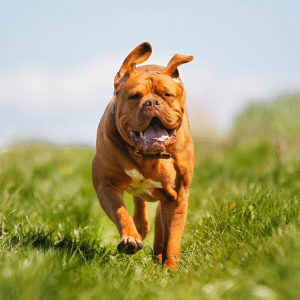
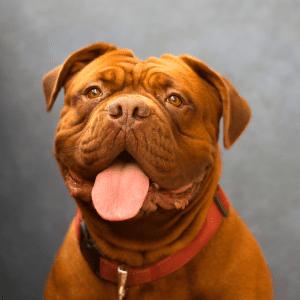
The Dogue de Bordeaux, also known as the Bordeaux Mastiff or French Mastiff, is a large breed of dog that originated in France. They are known for their muscular build, massive head, and wrinkled face. The breed was originally used for guarding and hunting, but has since become a popular companion dog.
Dogue de Bordeauxs typically weigh between 100-150 pounds and stand around 23-27 inches tall at the shoulder. They have a short, smooth coat that can be in shades of fawn, mahogany, or red. Their temperament is described as loyal, protective, and affectionate, though they can be stubborn at times.
Like all dogs, they requires proper socialization and training from a young age to ensure they become well-adjusted adults. They also require regular exercise and mental stimulation to prevent boredom and destructive behavior. Overall, they make loyal and devoted companions for the right owner who can meet their needs.
History
The Dogue de Bordeaux is an ancient breed that has been around for centuries. They were originally bred in France to work as guardians and protectors, and were often used in hunting and fighting. In the 19th century, the breed was nearly extinct, but was revived by a group of breeders in the 1960s.
Health
Like all breeds, they can be prone to certain health issues. Some of the most common health problems include hip dysplasia, elbow dysplasia, bloat, and heart disease. Potential owners should make sure to buy from a reputable breeder who screens for these conditions.
Training
They are an intelligent breed that responds well to positive reinforcement training. However, they can be stubborn at times, so patience and consistency are key. Early socialization is also important to ensure they are comfortable around other people and animals.
Exercise
The Dogue de Bordeaux is a large breed that requires daily exercise and mental stimulation. They enjoy walks, hikes, and other outdoor activities, but can also be content with a moderate amount of exercise if provided with plenty of mental stimulation.
Grooming
They have a short, smooth coat that requires minimal grooming. However, they do shed seasonally and will need to be brushed regularly to remove loose hair. Their wrinkles should also be cleaned and dried to prevent infections.
The Dogue de Bordeaux is a loyal and affectionate breed that makes a great companion for the right owner who can meet their needs for exercise, socialization, and training.
Breed Confusion
Dogue De Bordeaux vs. Neapolitan Mastiff
The Dogue de Bordeaux and the Neapolitan Mastiff share some similarities as large, powerful breeds with protective instincts, making them potentially formidable guard dogs. Both breeds require consistent training, socialization, and dedicated care due to their size and specific health considerations.
Let’s compare and contrast the two breeds across different aspects:
Appearance:
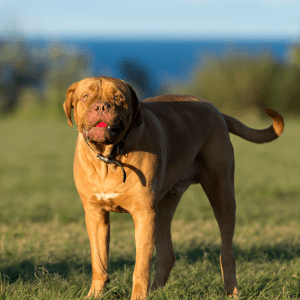
- Dogue de Bordeaux: The Dogue de Bordeaux, also known as the Bordeaux Mastiff, is a large and muscular breed with a well-defined head, loose skin, and deep wrinkles on the face. They have a short, dense coat that comes in shades of fawn, ranging from light to dark.
- Neapolitan Mastiff: The Neapolitan Mastiff is a massive and powerful breed with a distinctive loose skin and heavy wrinkles all over the body, including the face. They have a short, dense coat that can be in various solid colors, including gray, black, mahogany, or tawny.
Temperament:
- Dogue de Bordeaux: The Dogue de Bordeaux is known for its calm and patient temperament. They are loyal, affectionate, and generally good-natured. They are protective of their family and can be reserved with strangers, making them excellent guard dogs.
- Neapolitan Mastiff: The Neapolitan Mastiff is characterized by its calm and steady demeanor. They are known to be protective, loyal, and devoted to their family. They can be reserved with strangers and are generally calm and relaxed, but can display assertiveness if needed.
Size and Weight:
- Dogue de Bordeaux: The Dogue de Bordeaux is a large and powerful breed. Males typically stand around 23-27 inches (58-69 cm) at the shoulder and weigh between 110-145 pounds (50-66 kg). Females are slightly smaller and lighter.
- Neapolitan Mastiff: The Neapolitan Mastiff is a giant breed, known for its massive size. Males typically stand around 26-30 inches (66-76 cm) at the shoulder and weigh between 150-200 pounds (68-91 kg). Females are also large but slightly smaller and lighter.
Exercise and Training:
- Dogue de Bordeaux: The Dogue de Bordeaux has moderate exercise needs. They require regular walks, but they are not excessively active. They have a tendency to be stubborn at times, so consistent and patient training is important.
- Neapolitan Mastiff: The Neapolitan Mastiff is generally a low-energy breed. They have a calm and laid-back nature and require moderate exercise, such as daily walks and some playtime. Training should start early, as they can be strong-willed, and positive reinforcement methods work best.
Health:
- Dogue de Bordeaux: The Dogue de Bordeaux is a breed that can be prone to certain health issues, including hip dysplasia, elbow dysplasia, heart conditions, and certain types of cancer. Regular veterinary check-ups and a healthy diet are essential.
- Neapolitan Mastiff: The Neapolitan Mastiff can also be susceptible to certain health problems, including hip dysplasia, elbow dysplasia, eye issues, bloat, and skin infections. Regular vet check-ups, proper nutrition, and good hygiene are important for their well-being.
It’s important to note that individual dogs within each breed can vary in temperament and specific traits. Early socialization, proper training, and responsible ownership are essential for both breeds to thrive as companion animals.

FUN FACTS
Here are some fun or little-known facts about the Dogue de Bordeaux:
- The Dogue de Bordeaux is the breed featured in the movie “Turner & Hooch” starring Tom Hanks.
- They have a very high pain tolerance, which can make it difficult to tell when they are injured or in pain.
- The breed’s wrinkles were originally thought to protect their face during fights, but they are now believed to have a more social purpose of making their expressions more visible.
- In the 19th century, the Dogue de Bordeaux was known as the “butcher’s dog” because they were often used to haul meat through the streets of France.
- The breed has a very strong prey drive and should be supervised around small animals such as cats or rabbits.
- In France, the Dogue de Bordeaux is considered a national treasure and has been featured on postage stamps.
- They have a unique snoring and grunting sound due to their short snouts.
- They have a thick, muscular neck that is said to be strong enough to shake off a lion or bear.
- The breed has a powerful bite force, which has been measured at up to 556 pounds of pressure per square inch.
- They are known for their loyalty and protective nature, and have been used as police and military dogs in France.
READY TO ADD A DOGUE DE BORDEAUX TO YOUR HOME OR FAMILY?
Before getting a Dogue de Bordeaux, it’s important to consider several factors to ensure that this breed is the right fit for you and your lifestyle.
Here are some key factors to consider:
Space and Living Arrangements: Dogue de Bordeaux dogs are large and need ample space to move around comfortably. They are not suitable for small apartments or homes without a yard. Ideally, they should have a secure and spacious area to roam and play.
Exercise and Activity Level: Although they are generally a calm breed, they still require regular exercise to stay physically and mentally stimulated. Daily walks, playtime, and mental enrichment activities should be incorporated into their routine.
Grooming Needs: The Dogue de Bordeaux has a short and dense coat that requires minimal grooming. However, they do have wrinkles on their face and body that need regular cleaning to prevent infection. Additionally, attention should be given to their nails, teeth, and ears for overall hygiene.
Health Considerations: They are prone to certain health issues, including hip dysplasia, elbow dysplasia, heart conditions, and skin infections. It’s important to be aware of these potential health concerns and be prepared for regular veterinary check-ups and potential medical expenses.
Temperament and Socialization: The Dogue de Bordeaux is known for its loyal and protective nature. Early socialization and proper training are crucial to ensure they develop into well-behaved and well-adjusted dogs. They require positive reinforcement-based training methods and consistent leadership.
Family and Compatibility: They are generally affectionate and gentle with their family members, including children. However, due to their large size and protective instincts, they may not be the best fit for households with very young children or homes with small pets. Proper supervision and socialization are essential in such situations.
Time and Attention: Dogue de Bordeaux dogs thrive on human companionship and require regular interaction and attention. They may not do well if left alone for long periods. Consider your schedule and ensure that you can provide them with the time and attention they need.
Lifespan and Long-term Commitment: They have a lifespan of around 8 to 10 years. Owning any dog is a long-term commitment, and these dogs require dedicated care, attention, and love throughout their lives. Ensure that you are ready for the long-term commitment of providing for their needs and well-being.
Grab your FREE New Puppy Success Guide to help select, prepare for, and train your new puppy!! 

If you’re looking to purchase a Dogue de Bordeaux puppy in the USA, here are a couple of options to consider:
- Reputable Breeders: Start by researching and reaching out to reputable Dogue de Bordeaux breeders in the USA. You can search for breeders through the American Kennel Club (AKC) website or consult with breed-specific organizations such as the Dogue de Bordeaux Society of America. Reputable breeders prioritize the health and temperament of their dogs, perform necessary health tests, and provide proper care for their puppies.
- Breed-specific Rescue Organizations: Consider contacting Dogue de Bordeaux rescue organizations in the USA, such as the Dogue de Bordeaux Rescue, to inquire about available puppies or adult dogs in need of a loving home. Adopting from a rescue organization is a rewarding way to give a dog a second chance and provide them with a forever home.
DON’T FORGET TO CHECK OUT OUR DOGUE DE BORDEAUX 101 VIDEO ON YOUTUBE!!

Dogue De Bordeaux Puppy Prices
The average price for a Dogue de Bordeaux puppy from a reputable breeder in the United States ranged from $2,000 to $4,000. However, prices can vary depending on factors such as the breeder’s reputation, the dog’s lineage and pedigree, geographic location, and the demand for the breed.

Remember to consult with your veterinarian for specific product recommendations and to ensure that the products you choose meet the specific needs of your Dogue de Bordeaux puppy.
Keep in mind that the purchase of any dog is a big decision and responsibility, and it is important to choose a breed that fits your lifestyle and preferences.
SUMMARY
Dogue De Bordeaux Height: 23-27 inches
Dogue De Bordeaux Weight: 110-145 lbs.
Dogue De Bordeaux Colors: Fawn
Dogue De Bordeaux Temperament: Loyal, affectionate, calm, protective, gentle.
Dogue De Bordeaux Life Expectancy: 8-10 years.
Overall, the Dogue de Bordeaux makes a devoted and loving companion, offering both loyalty and affection to their owners.
Want some more ways to spread the Dogue De Bordeaux love?
Follow these hashtags on social media: #dougedebordeaux #douge #dougedebordeauxofinstagram #dougedebordeauxlove #dougedebordeauxpuppy #dougedebordeauxlife #dougedebordeauxworld #dougedebordeauxgram #dougedebordeauxoftheday #dougedebordeauxsofig #dougedebordeauxlovers #dougedebordeauxobsessed #dougedebordeauxcorner #dougedebordeauxcommunity #dougedebordeauxaddict #dougedebordeauxdaily #dougedebordeauxsofinstagram
Print this FREE Dogue De Bordeaux Coloring Page!
Connect with us on social media to see more about the Dogue De Bordeaux!