

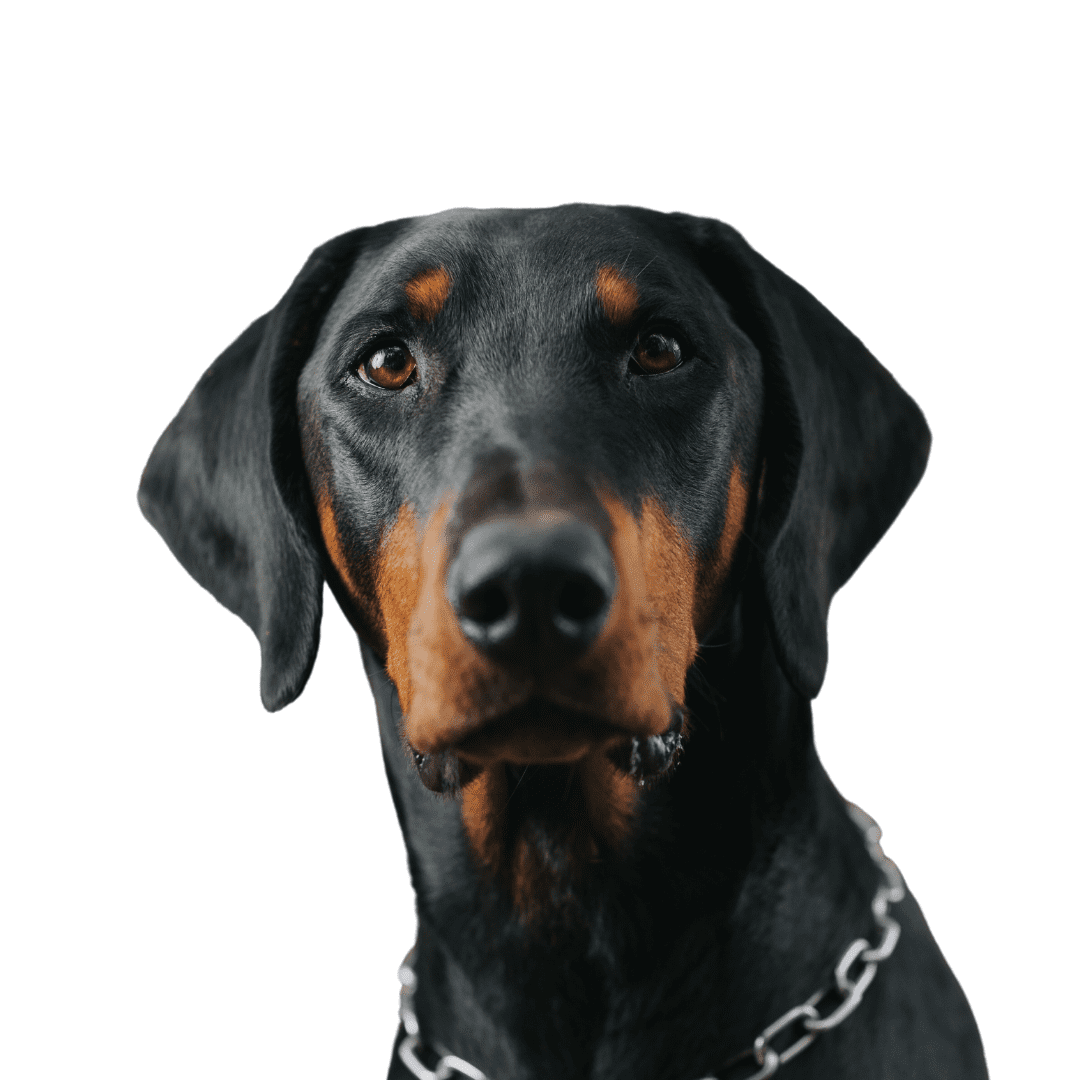

The Doberman Pinscher is a medium to large breed of dog that originated in Germany. They were originally bred for personal protection and as guard dogs, but they are now commonly kept as family pets due to their loyal and affectionate nature.
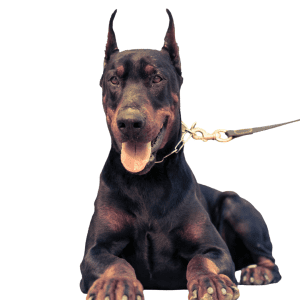
Dobermans are known for their sleek, muscular build and distinctive cropped ears and docked tails. They are highly intelligent and trainable, making them well-suited for a variety of tasks including obedience, agility, and even search and rescue.
While they are generally healthy dogs, Dobermans can be prone to certain health issues such as hip dysplasia, von Willebrand’s disease, and dilated cardiomyopathy. Regular veterinary check-ups and proper nutrition and exercise can help mitigate these risks.
The Doberman Pinscher is a loving and protective breed that requires a strong and consistent owner to provide them with the training and care they need to thrive.
History
The Doberman Pinscher was developed in the late 19th century by a German tax collector named Karl Friedrich Louis Dobermann, who wanted a dog that could protect him while he was on his rounds. He bred several different types of dogs, including the Rottweiler, the German Pinscher, and the Greyhound, to create the Doberman Pinscher we know today. The breed quickly gained popularity in Europe and was eventually introduced to the United States in the early 1900s.
Appearance
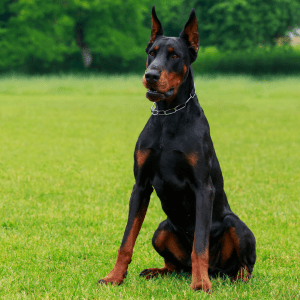
Doberman Pinschers are muscular and athletic dogs with a short, smooth coat that can come in a variety of colors including black, blue, red, and fawn. They typically stand between 24 to 28 inches tall at the shoulder and weigh between 60 to 100 pounds. The breed’s signature cropped ears and docked tail are still common in some countries, although many countries have banned the practice.
Temperament
Doberman Pinschers are known for their loyalty and affection towards their owners, but they can also be protective and territorial. Early socialization and training are important to help them develop into well-adjusted and well-behaved adults. Dobermans are highly intelligent and energetic, and they require regular exercise and mental stimulation to stay happy and healthy.
Training
Dobermans are highly trainable and respond well to positive reinforcement training methods. They excel in a variety of dog sports, including obedience, agility, and tracking. However, their protective instincts can make them suspicious of strangers, so it’s important to socialize them well from a young age to prevent aggression towards unfamiliar people.
Health
Doberman Pinschers are generally healthy dogs, but they can be prone to certain health issues. Some of the most common health concerns in the breed include hip dysplasia, von Willebrand’s disease (a blood clotting disorder), and dilated cardiomyopathy (a heart condition). Regular veterinary check-ups and preventive care, including a healthy diet and exercise, can help minimize these risks.
Breed Confusion
Doberman Pinscher vs. Miniature Pinscher
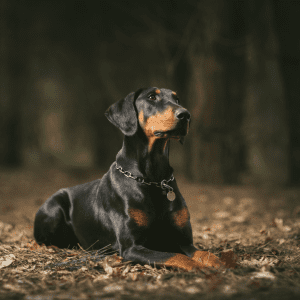
One of the dog breeds most often confused with the Doberman Pinscher is the Miniature Pinscher, also known as the “Min Pin.” Despite the similar name, these two breeds are not directly related and have distinct characteristics. The confusion might arise due to their physical appearance and some shared traits, such as their alert and energetic nature.
Here are some key differences between the Doberman Pinscher and the Miniature Pinscher:
Size: The Doberman Pinscher is a larger breed, usually weighing between 60 to 100 pounds and standing around 24 to 28 inches tall at the shoulder. On the other hand, the Miniature Pinscher is much smaller, typically weighing between 8 to 12 pounds and standing about 10 to 12.5 inches tall.
Build: The Doberman is a more robust and muscular breed, whereas the Miniature Pinscher has a more delicate and slender frame.
Coat: The Doberman Pinscher has a short, smooth coat that lies close to the body. In contrast, the Miniature Pinscher also has a short coat, but it is usually smoother and harder.
Color: Both breeds can come in various colors, but the most common color for Dobermans is black and tan, whereas Miniature Pinschers are often seen in red or black and tan.
Purpose: The Doberman Pinscher was originally bred as a guard dog and is known for its loyalty and protective instincts. The Miniature Pinscher, while also alert and spirited, was originally bred as a small vermin hunter.
It is essential to differentiate between these two breeds to meet their specific needs and provide proper care and training. If you encounter a dog that looks like a Doberman Pinscher but appears much smaller, it’s likely a Miniature Pinscher.
FUN FACTS
Here are some fun and little-known facts about Doberman Pinschers:
- The Doberman Pinscher was one of the first breeds to be used as a police dog. They were originally bred for personal protection and as guard dogs, and their loyalty and intelligence made them well-suited for law enforcement work.
- Doberman Pinschers are sometimes called “Dobies” or “Dobermans” for short.
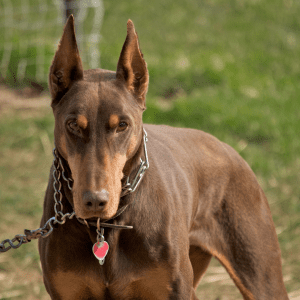
- Although they are known for their cropped ears, not all Dobermans have their ears cropped. In some countries, the practice of cropping ears is illegal or considered unethical, and some owners choose to keep their Dobermans’ ears natural.
- Doberman Pinschers are often used as therapy dogs. Their affectionate nature and ability to bond closely with their owners make them great candidates for therapy work, where they can provide comfort and support to people in need.
- Dobermans have been featured in a number of movies and TV shows over the years, including “Kojak,” “Magnum, P.I.,” and “The Doberman Gang.”
- Dobermans are one of the few breeds that can have a blue coat color, which is caused by a dilution gene. Blue Dobermans are often prized for their striking appearance, but they can be more prone to certain health issues than other coat colors.
- Doberman Pinschers are very fast runners and can reach speeds of up to 30 miles per hour.
- Dobermans are often described as “velcro dogs” because they like to be close to their owners at all times. They are known for following their owners from room to room and even cuddling up next to them in bed.
READY TO ADD A DOBERMAN PINSCHER TO YOUR HOME OR FAMILY?
Before getting a Doberman Pinscher, it’s essential to consider several factors to ensure that you can provide the right environment, care, and attention this breed requires. Here are some important facts to consider:
Exercise Needs: Dobermans are high-energy dogs that require regular and vigorous exercise. They enjoy activities such as long walks, jogging, playing fetch, and mental stimulation. If you have an active lifestyle and can commit to daily exercise, a Doberman may be a good fit.
Space Requirements: Dobermans are not well-suited for apartment living due to their size and energy levels. They thrive in homes with a yard or ample space to move around and play.
Training and Socialization: Dobermans are intelligent and highly trainable, but they also need consistent and positive reinforcement training from an early age. Proper socialization is crucial to ensure they become well-adjusted and friendly around people and other animals.
Time and Attention: Dobermans are affectionate and loyal dogs that form strong bonds with their owners. They thrive on human companionship and can suffer from separation anxiety if left alone for extended periods. Be prepared to spend quality time with your Doberman and provide them with attention and affection.
Protective Instincts: Dobermans have a natural protective instinct, making them excellent guard dogs. While this trait can be advantageous, it also means they need careful socialization to differentiate between genuine threats and normal interactions.
Grooming Needs: Dobermans have short, smooth coats that are relatively low-maintenance. They shed moderately, and regular brushing can help keep their coat in good condition.
Health Considerations: Like all breeds, Dobermans are prone to certain health issues, including hip dysplasia, cardiomyopathy (heart disease), and von Willebrand’s disease (a bleeding disorder). Regular veterinary check-ups and a balanced diet are essential for their well-being.
Commitment: Dobermans typically live around 10 to 12 years or more. Getting a Doberman is a long-term commitment, and you should be prepared for the responsibilities of caring for them throughout their life.
Breed-Specific Regulations: Some regions or housing communities have breed-specific regulations that might affect your ability to own a Doberman. Ensure you are aware of any local restrictions before bringing one home.
Financial Considerations: Dobermans can have specific medical needs that might result in higher veterinary expenses. Additionally, providing proper training, quality food, and other supplies can add to the overall cost of ownership.
Before getting a Doberman Pinscher, research the breed thoroughly, talk to experienced Doberman owners or breeders, and assess whether your lifestyle and capabilities align with the needs of this intelligent and loyal breed.
Grab your FREE New Puppy Success Guide to help select, prepare for, and train your new puppy!! 

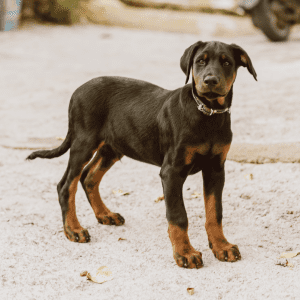
If you are interested in purchasing a Doberman Pinscher puppy in the USA, there are several options you can consider:
- Reputable Breeders: Look for responsible and reputable Doberman Pinscher breeders in your area or within a reasonable distance. A good breeder will prioritize the health and well-being of their dogs, conduct health testing, and provide proper socialization for their puppies. You can find breeders through online directories, breed-specific clubs, or by attending dog shows and events.
- Rescue Organizations: Consider adopting a Doberman Pinscher from a rescue organization or animal shelter. There are breed-specific rescues dedicated to Dobermans that can help you find a dog in need of a loving home.
- Online Platforms: While it’s essential to be cautious, there are some legitimate online platforms where breeders advertise their puppies. Make sure to do thorough research and verify the credibility of the breeder before making any commitments.
DON’T FORGET TO CHECK OUT OUR DOBERMAN PINSCHER 101 VIDEO ON YOUTUBE!!

Doberman Pinscher Puppy Prices
The price of a Doberman Pinscher puppy can vary significantly based on various factors such as the dog’s lineage, pedigree, breeder reputation, location, and whether the puppy is sold as a pet or for show/breeding purposes.
On average, reputable breeders may charge anywhere from $1,500 to $3,000 for a Doberman Pinscher puppy. However, prices can exceed this range, especially if the puppy comes from champion bloodlines or has exceptional qualities.
Before purchasing a puppy, it’s crucial to do your due diligence to ensure you are dealing with a reputable and responsible source. Here are some tips to help you find a responsible breeder:
– Visit the breeder’s facility in person to see how they care for their dogs and puppies.
– Ask for references from previous buyers to hear about their experiences.
– Check the health and genetic testing records of the parents and puppies.
– Ensure that the breeder provides proper documentation, including health certificates and registration papers.
– Avoid purchasing from puppy mills or backyard breeders who prioritize profit over the well-being of the dogs.
Additionally, consider adopting a Doberman Pinscher from a rescue organization. Many dogs in shelters are in need of loving homes, and adopting can be a rewarding experience.
Always remember that bringing a puppy into your home is a significant commitment, so take the time to find the right fit for your family and lifestyle.
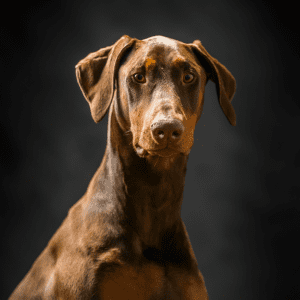
Remember, every puppy is unique, and their preferences may differ. Observe your Doberman Pinscher puppy’s behavior and adjust your product choices accordingly.
Also, consult with your veterinarian or a professional dog trainer for personalized recommendations and guidance as your puppy grows.
SUMMARY
Doberman Pinscher Height: 24 -28 inches
Doberman Pinscher Weight: 60 – 100 lbs.
Doberman Pinscher Colors: Black and Tan, Red and Tan, Blue, and Fawn
Doberman Pinscher Temperament: Energetic, Intelligent, Loyal, Protective, Affectionate
Doberman Pinscher Life Expectancy: 10-12 years.
Overall, the Doberman Pinscher is an exceptional companion, combining loyalty, affection, and intelligence, making them devoted and protective family members.
Want some more ways to spread the Doberman Pinscher love?
Follow these hashtags on social media: #doberman #dobermansofinstagram #dobermanpinscher #dobermanlove #dobermanpuppy #dobermanlife #dobermanworld #dobermangram #dobermanoftheday #dobermansofig #dobermanlovers #dobermanobsessed #dobermancorner #dobermancommunity #dobermanaddict #dobermanclub #dobermanlifeisthebestlife #dobermansrule #dobermanworldwide #dobermanfun #dobermansoftheday #dobermanstyle #dobermanloveclub #dobermanstagram #dobermanloversclub #dobermanfamily #dobermanloveforever #dobermanofficial #dobermanpics #dobermanlifeisgood
Check out these amazing Doberman Pinscher finds on Amazon!
Print this FREE Doberman Pinscher Coloring Page!
Connect with us on social media to see more about the Doberman Pinscher!