
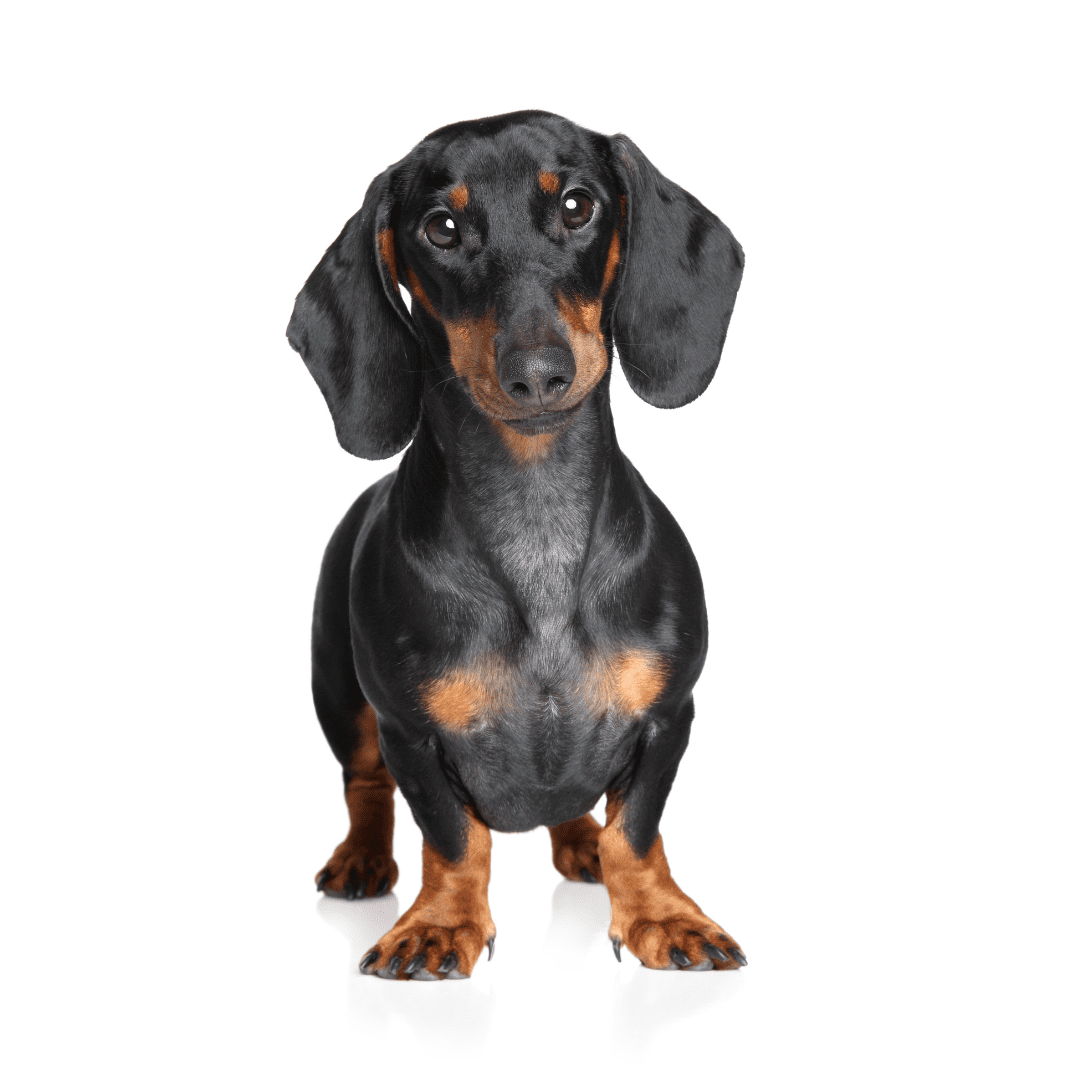

Dachshunds, also known as “Wiener dogs,” are a small breed of dog that originated in Germany.
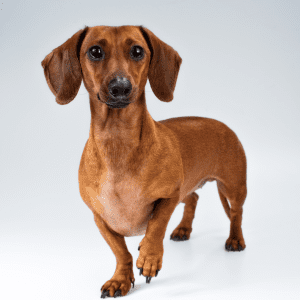
They are known for their long bodies, short legs, and lively personalities. Dachshunds come in three different coat types: smooth, wirehaired, and longhaired. They also come in a variety of colors, including black and tan, red, chocolate, and cream.
Despite their small size, dachshunds are known for their courage and hunting instincts. Originally bred to hunt badgers, they are still used as hunting dogs today, although they are more commonly kept as companion animals.
Dachshunds are generally friendly and affectionate with their owners, but they can be wary of strangers and may be prone to barking. They are also known for their stubbornness, which can make training a challenge.
Dachshunds are a beloved breed that make great pets for those who are willing to put in the time and effort to train and socialize them properly.
Dachshund Pronunciation
The correct pronunciation of “Dachshund” is “DAHKS-hund” or “DAHKS-uhnd.” The word is of German origin, and in German, “Dachshund” translates to “badger dog.” The “Dachs” part is pronounced like the English word “docks” with an “s” sound at the end, and the “hund” part is pronounced like the English word “hoond” with a short “u” sound.
Appearance
Dachshunds are a relatively small breed, typically weighing between 11 and 32 pounds and standing 5 to 9 inches tall at the shoulder.
They have a unique body shape, with long bodies and short legs, which is the result of selective breeding for their hunting abilities. This shape makes them prone to certain health issues, such as back problems and obesity, so it’s important to keep them at a healthy weight and provide them with proper exercise.
Dachshund Temperament
Dachshunds are intelligent dogs, but they can also be stubborn and independent. Consistent training and socialization from a young age can help ensure they grow up to be well-behaved and obedient.
They are generally good with children and other pets in the household, but they may not do well with small animals such as hamsters or birds due to their hunting instincts. Dachshunds have a lifespan of around 12-16 years, which is relatively long for a small breed.
In addition to their hunting abilities, dachshunds are also known for their loyalty and affection toward their owners. They are often described as “lap dogs” and love nothing more than cuddling up with their humans.
Dachshunds have been popularized in popular culture, with appearances in movies, TV shows, and even as the mascot for a brand of hot dogs.
Dachshund Lifespan
The average lifespan of a Dachshund is typically between 12 and 16 years. However, it’s important to note that individual Dachshunds may vary, and factors such as genetics, diet, exercise, healthcare, and overall lifestyle can influence their lifespan. Providing proper care, regular veterinary check-ups, a balanced diet, exercise, and a loving environment can help ensure a Dachshund lives a long and healthy life.
Coat Comparison
Shorthaired Dachshund vs. Longhaired Dachshund
Here’s a comparison between the Shorthaired Dachshund and the Longhaired Dachshund:
Shorthaired Dachshund:
- Coat: The Shorthaired Dachshund has a smooth and sleek coat that lies close to the body. The coat is dense and can come in various colors and patterns, including solid, dappled, and brindle.
- Grooming: Their short coat requires minimal grooming. Regular brushing is usually sufficient to keep it in good condition. They are low shedders compared to the Longhaired Dachshund.
- Appearance: Shorthaired Dachshunds have a more streamlined and athletic appearance due to their sleek coat. They have a well-defined body shape and are often more agile and energetic.
- Adaptability: They are well-suited for different climates due to their short coat, as it doesn’t provide as much insulation as the longhaired variety. They may require additional protection in colder weather.
- Maintenance: Their short coat makes them less prone to matting or tangles, and they generally require less grooming maintenance compared to the Longhaired Dachshund.
Longhaired Dachshund:
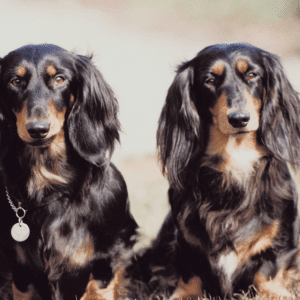
- Coat: The Longhaired Dachshund has a soft and flowing coat that is longer and more abundant than that of the Shorthaired Dachshund. The coat can be straight or slightly wavy and is usually found in solid colors or combinations.
- Grooming: Their long coat requires more maintenance and regular grooming to prevent matting and tangling. Regular brushing, occasional baths, and attention to ear and paw hair are needed.
- Appearance: Longhaired Dachshunds have a more luxurious and elegant appearance due to their flowing coat. They often have slightly shorter legs than the Shorthaired Dachshunds.
- Adaptability: Their long, insulating coat provides better protection in colder climates, making them more suitable for cooler environments. They may require extra care in hot weather to prevent overheating.
- Maintenance: Due to their longer coat, Longhaired Dachshunds require more attention to grooming and may need professional grooming assistance. Regular brushing and attention to coat maintenance are necessary to keep their coat healthy and free from matting.
In terms of personality and temperament, both Shorthaired and Longhaired Dachshunds share similar characteristics. They are known for their playful, affectionate, and loyal nature. However, individual personality traits can vary regardless of coat type.
It’s important to consider your lifestyle, climate, and grooming preferences when choosing between the two coat types of Dachshunds.

FUN FACTS
Here are some fun or little-known facts about dachshunds:
- Dachshunds were originally bred in Germany in the 16th century to hunt badgers, but they were later used to hunt other small game such as rabbits, foxes, and even wild boar.
- The word “dachshund” translates to “badger dog” in German.
- Dachshunds come in two sizes: standard and miniature. Miniature dachshunds were bred to hunt smaller prey such as rabbits and are usually less than 11 pounds in weight.
- Dachshunds were one of the first dog breeds to be recognized by the American Kennel Club (AKC) in 1885.
- A dachshund named Waldi was the first official mascot of the Olympic Games, representing the 1972 Summer Olympics in Munich, Germany.
- Famous people who have owned dachshunds include Queen Victoria, Napoleon Bonaparte, and Pablo Picasso.
- Dachshunds have been bred in a variety of coat colors and patterns, including black and tan, chocolate and tan, red, cream, dapple, and brindle.
- Because of their long, low-slung bodies, dachshunds are often referred to as “weiner dogs” or “sausage dogs.”
- Dachshunds are known for their loud and persistent barking, which can make them good watchdogs but may not make them ideal for apartment living.
- According to the Guinness Book of World Records, the world’s oldest dachshund lived to be 21 years and 3 months old.

READY TO ADD A DACHSHUND TO YOUR HOME OR FAMILY?
Dachshunds make wonderful pets due to their loyal, affectionate nature and their playful and entertaining personalities. Despite their small size, they have a big heart and bring joy and companionship to their families.
But before getting a Dachshund, it’s essential to consider several factors to ensure that the breed is the right fit for your lifestyle and that you can provide the care they need. Here are some important factors to consider:
Exercise and activity level: Dachshunds may be small in size, but they are active and energetic dogs. They require regular exercise to keep them physically and mentally stimulated. Consider if you can commit to providing daily walks, playtime, and activities to meet their exercise needs.
Space and living arrangements: Dachshunds can adapt to various living situations, including apartments or houses, but they do require adequate indoor and outdoor space. They enjoy having a small yard to explore. If you live in an apartment, be prepared to provide daily walks and opportunities for exercise outside the home.
Grooming needs: Dachshunds have different coat types—smooth, wirehaired, and longhaired—each with varying grooming requirements. Smooth-coated Dachshunds require minimal grooming, while longhaired Dachshunds need more frequent brushing and coat maintenance. Wirehaired Dachshunds fall in between. Consider the grooming commitment you can provide based on the coat type you prefer.
Training and socialization: Like all dogs, Dachshunds benefit from early and ongoing training and socialization. They can be independent and strong-willed, so consistent and positive reinforcement training methods work best. Consider if you have the time and patience to train and socialize a Dachshund to ensure they grow up to be well-behaved and adaptable dogs.
Health concerns: Dachshunds are prone to certain health issues, including intervertebral disc disease (IVDD), obesity, dental problems, and hip dysplasia. It’s important to be aware of these potential health risks and be prepared for regular veterinary care, proper nutrition, exercise, and preventive measures to keep your Dachshund healthy.
Time commitment: Dachshunds are social dogs that thrive on human companionship. They may experience separation anxiety if left alone for long periods. Consider if you can provide the time and attention needed to meet their social needs and prevent behavioral issues.
Family dynamics: Dachshunds can make great family pets, but it’s essential to consider the ages and personalities of family members, including children and other pets. Some Dachshunds may not tolerate rough handling or excessive noise, while others may get along well with other animals. Ensure that the breed is compatible with your family’s dynamics.
Financial responsibilities: Owning any dog comes with financial responsibilities. Consider the costs of food, grooming, veterinary care, vaccinations, preventive medications, toys, and other supplies. Be prepared for potential medical expenses and consider pet insurance to help manage healthcare costs.
By carefully considering these factors, you can make an informed decision about whether a Dachshund is the right breed for you and ensure that you can provide them with a loving and suitable forever home.
Grab your FREE New Puppy Success Guide to help select, prepare for, and train your new puppy!! 

If you’re looking to purchase a Dachshund puppy in the United States, there are a few options you can explore:
- Reputable breeders: Finding a reputable breeder who focuses on the health, temperament, and overall well-being of their Dachshund puppies is important. You can search for breeders through national or regional Dachshund clubs or organizations, such as the Dachshund Club of America (DCA) or local Dachshund clubs. These clubs often have breeder referral lists or can provide information on upcoming litters.
- Rescue organizations: Consider adopting a Dachshund from a breed-specific rescue organization or a local animal shelter. There are rescue groups dedicated to Dachshunds that rescue and rehome abandoned or surrendered dogs. Websites like Petfinder or Adopt-a-Pet can help you find Dachshunds available for adoption in your area.
- Online platforms: Be cautious when considering online platforms, as they can vary in terms of reliability and ethics. If you choose to use online platforms, ensure that you thoroughly research and vet the breeders to verify their credibility and ensure they prioritize the well-being of their puppies.
DON’T FORGET TO CHECK OUT OUR DACHSHUND 101 VIDEO ON YOUTUBE!!

Dachshund Puppy Prices
The average price for a Dachshund puppy from a reputable breeder in the United States ranged from $800 to $2,000. However, prices can vary depending on factors such as the breeder’s reputation, the dog’s lineage and pedigree, coat type (smooth, long-haired, or wire-haired), geographic location, and the demand for the breed.
Remember, it’s crucial to do thorough research and ask questions when contacting breeders or rescue organizations. Responsible breeders should be open to answering your questions, provide health clearances for their breeding dogs, and offer a clean and safe environment for their puppies. Additionally, be prepared to be placed on a waiting list as reputable breeders often plan their litters in advance.

Remember, each Dachshund is unique, and their specific needs may vary. It’s always a good idea to consult with your veterinarian or a professional dog trainer for personalized recommendations based on your Dachshund’s age, health, and individual requirements.
Keep in mind that the purchase of any dog is a big decision and responsibility, and it is important to choose a breed that fits your lifestyle and preferences.
SUMMARY
Dachshund Height: 8-9 inches
Dachshund Weight: 16-32 lbs.
Dachshund Colors: Red, Black and Tan, Chocolate and Tan, Dapple, Brindle, Piebald, Isabella
Dachshund Temperament: Affectionate, Lively, Intelligent, Brave, Playful
Dachshund Life Expectancy: 12-16 years.
Overall, Dachshunds are loyal and loving companions, always ready to bring warmth and companionship to their owners’ lives.
Want some more ways to spread the Dachshund love?
Follow these hashtags on social media: #dachshund #dachshundsofinstagram #dachshundlove #dachshundpuppy #dachshundlife #dachshundworld #dachshundgram #dachshundoftheday #dachshundsofig #dachshundlovers #dachshundnation #dachshundcorner #dachshundcommunity #dachshundaddict #dachshundobsessed #dachshunddaily #dachshundofinstagram #dachshundsoftheworld #dachshundworldwide #dachshundcrazy #dachshundfun #dachshundloversclub #dachshundlover #dachshundlifeisthebestlife #dachshundsofficial #dachshundstyle #dachshundcentral #dachshundsofusa #dachshundplanet #dachshundsoflove.
Print this FREE Dachshund Coloring Page!
Connect with us on social media to see more about the Dachshund!