



The Briard is a breed of large herding dog that originated in France. They are known for their long, shaggy coat that requires regular grooming and their loyalty and intelligence. Briards are typically black or fawn in color and have a muscular build.
They were originally bred to work as herding dogs, but have also been used as military and police dogs due to their strength and intelligence.
Briards are known for their affectionate and protective nature towards their owners, but can be wary of strangers. They require regular exercise and training to keep them mentally and physically stimulated.
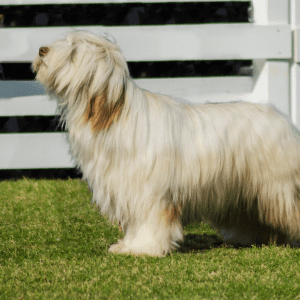
Here’s some more information about the Briard breed:
Appearance
Briards are large dogs, typically weighing between 70-100 pounds and standing 22-27 inches tall at the shoulder. They have a distinctive long, shaggy coat that is usually black or fawn in color. The coat can be wavy or slightly curly and requires regular grooming to prevent matting. Their ears are typically cropped and stand upright, and they have a bushy tail.
Temperament
Briards are known for their loyalty and affection towards their owners. They are intelligent dogs and can be independent thinkers, so they require firm and consistent training. They have a natural instinct to herd and may try to herd children or other pets in the household. They can be protective of their family and may be wary of strangers, so early socialization is important. They have a moderate energy level and require regular exercise and mental stimulation to prevent boredom.
Health
Like all breeds, Briards can be prone to certain health issues. These may include hip dysplasia, elbow dysplasia, progressive retinal atrophy (PRA), cataracts, and bloat. Responsible breeders will perform health screenings on their dogs before breeding to reduce the risk of passing on these issues to their offspring.
History
The Briard is an ancient breed that has been around for centuries. They were originally bred in France to work as herding dogs, guarding flocks of sheep and other livestock. During World War I, Briards were used as messenger dogs and performed other duties for the French military. After the war, the breed nearly became extinct, but dedicated breeders worked to revive the breed and it has since become popular in many countries around the world.
In summary, Briards are intelligent, affectionate dogs that make great companions for those willing to put in the time and effort to train and care for them properly.
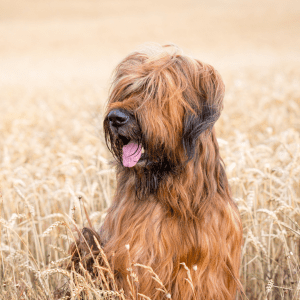
Breed Confusion
Briard vs. Otterhound
Both the Otterhound and the Briard are loving and devoted to their families, but there are notable differences in their physical appearance, coat maintenance, temperament, and trainability. It’s important to consider these factors when choosing a breed to ensure it aligns with your lifestyle and preferences.
Here’s a comparison and contrast between the Briard and the Otterhound:
Physical Appearance:
- Otterhound: The Otterhound is a large breed with a rugged and athletic build. It has a shaggy, rough double coat that helps protect it from harsh weather conditions. The head is elongated with a distinct otter-like appearance, and the ears are long and pendulous.
- Briard: The Briard is also a large breed with a sturdy and muscular build. It has a dense, double coat that forms natural cords or waves. The head is strong and rectangular, and the ears are set high and drop down.
Coat and Grooming:
- Otterhound: The Otterhound’s coat is rough, dense, and water-resistant. Regular brushing is necessary to prevent matting, and occasional hand-stripping may be required to maintain its texture. They have moderate shedding.
- Briard: The Briard’s coat is dense, long, and slightly wavy. It forms natural cords as it grows, which require regular maintenance and occasional separating to prevent matting. They have moderate shedding.
Temperament and Personality:
- Otterhound: Otterhounds are known for their friendly and outgoing nature. They are sociable, patient, and good with children and other dogs. They have a natural hunting instinct but are generally gentle and easygoing. They can be independent thinkers and may have a stubborn streak.
- Briard: Briards are loyal, intelligent, and protective. They are known for their strong bond with their families and can be reserved with strangers. They are generally good with children and other pets when properly socialized. They are highly trainable and versatile working dogs.
Exercise and Activity:
- Otterhound: Otterhounds are active dogs that require regular exercise to keep them physically and mentally stimulated. They enjoy activities such as long walks, hikes, and swimming. They have a moderate energy level.
- Briard: Briards are also active dogs that require daily exercise and mental stimulation. They enjoy activities like long walks, jogging, and play sessions. They have a moderate energy level and can adapt to various lifestyles.
Trainability:
- Otterhound: Otterhounds have a moderate level of trainability. They are intelligent but can be independent and stubborn at times. Consistent, positive reinforcement training methods work best with them.
- Briard: Briards are intelligent and eager to please, making them generally more trainable than Otterhounds. They respond well to positive reinforcement training methods and thrive on mental challenges.
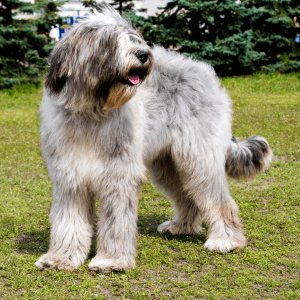
FUN FACTS
Here are some fun facts about the Briard:
- Ancient Heritage: The Briard is one of the oldest French herding breeds, with a history dating back over a thousand years.
- Napoleon’s Favorite: Napoleon Bonaparte owned several Briards and often praised their loyalty and intelligence. He even had them accompany him in exile on the island of Elba.
- Double Dewclaws: Briards are known for having double dewclaws on their hind legs, a distinctive feature of the breed that aids in stability and agility.
- Herding Roots: Originally bred as herding dogs, Briards have been used for centuries to guard and protect livestock, particularly sheep.
- Secret Messages: During World War I and World War II, Briards were used as messenger dogs by the French army due to their intelligence and ability to navigate difficult terrains.
- Versatile Working Dogs: In addition to herding and military roles, Briards have excelled in various working roles, including search and rescue, police work, and as therapy dogs.
- Gentle Giants: Despite their imposing size and appearance, Briards are known for their gentle and affectionate nature, making them excellent family dogs.
- Maternal Instinct: Female Briards are often celebrated for their strong maternal instincts and are known to be excellent mothers.
- French Treasures: Briards are considered a national treasure in France, where they have been officially recognized as part of the country’s cultural heritage.
- Movie Stars: Briards have made appearances in several films and TV shows, including the 2005 movie “Because of Winn-Dixie,” where a Briard played the role of the titular dog, Winn-Dixie.
These facts highlight the Briard’s rich history, versatility, and unique characteristics that make them both fascinating and wonderful companions.
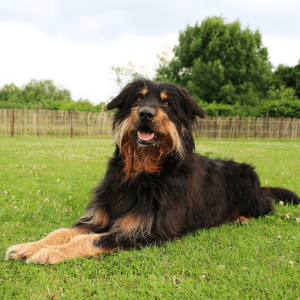
READY TO ADD A BRIARD TO YOUR HOME OR FAMILY?
The Briard is a devoted and affectionate pet, known for its gentle nature and loyalty to its family. Their intelligence and protective instincts make them excellent companions for those who appreciate a close bond with their furry friend.
Before getting a Briard, however, consider the following factors:
Exercise Needs: Briards are active dogs that require regular exercise and mental stimulation. Be prepared for daily walks, playtime, and activities to keep them physically and mentally fit.
Grooming Requirements: Briards have a long, double coat that requires regular grooming, including brushing to prevent mats and tangles. Professional grooming may also be necessary.
Temperament: Briards are known for their loyalty and protective instincts. Early socialization and consistent training are essential to ensure they are well-behaved and comfortable around people and other animals.
Space: Briards are relatively large dogs and require ample living space, ideally with a yard where they can move around comfortably.
Training: Briards are intelligent but can be independent thinkers. Patient, positive reinforcement-based training methods work best with this breed.
Health Considerations: Research potential health issues in the breed, such as hip dysplasia and bloat, and work with a responsible breeder who screens for these conditions.
Time Commitment: Briards thrive on human companionship and require attention and engagement. Ensure you have the time to meet their emotional needs.
Socialization: Early and ongoing socialization is crucial to ensure they are well-adjusted and comfortable in various situations.
Rescue or Breeder: Decide whether you want to adopt from a rescue organization or obtain a puppy from a reputable breeder. Both options have their merits, but make sure to choose one that aligns with your preferences and values.
Lifestyle Fit: Assess whether the Briard’s characteristics align with your lifestyle and preferences. They are loyal and loving pets but require active and attentive owners.
Family Compatibility: Briards can be excellent family dogs, but it’s important to consider their size, energy level, and temperament in relation to your family’s dynamics and needs.
Remember that Briards can be wonderful companions for those who are willing to meet their needs for exercise, grooming, training, and socialization. Carefully evaluate your readiness for the responsibilities of owning this breed to ensure a happy and fulfilling partnership.
Grab your FREE New Puppy Success Guide to help select, prepare for, and train your new puppy!! 

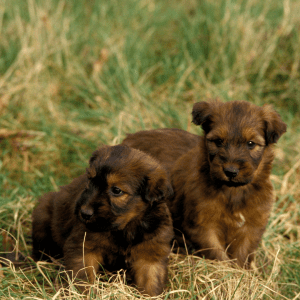
If you are interested in purchasing a Briard, here in the USA, there are a few options available to you:
- Reputable Breeders: Look for reputable Briard breeders who follow ethical breeding practices and prioritize the health and well-being of their dogs. You can search for breeders through the Briard Club of America (BCA) or other breed-specific organizations. Reputable breeders are often listed on these organizations’ websites.
- Rescue Organizations: Consider adopting a Briard puppy from a rescue organization, such as the Briard Rescue Trust or local Briard rescue groups. These organizations rescue and rehome Briards in need of loving homes.
- Online Resources: Websites like the American Kennel Club (AKC) Marketplace or the Briard Club of America website may provide information about breeders with available puppies or planned litters. Be cautious when using online sources and thoroughly research any breeders you find.
DON’T FORGET TO CHECK OUT OUR BRIARD 101 VIDEO ON YOUTUBE!!

BRIARD PUPPY PRICES
The cost of a Briard puppy can vary depending on various factors, such as the breeder’s reputation, the lineage and pedigree of the dog, geographic location, and the individual qualities of the puppy.
On average, a Briard puppy from a reputable breeder can range from $1,500 to $3,000 or more. Show-quality or puppies from champion bloodlines may be priced higher than those intended as pets or companions. Additionally, factors like coat color, markings, and overall conformation can influence the price.
It’s crucial to research and choose a responsible breeder who prioritizes the health, temperament, and well-being of their dogs. Reputable breeders often conduct health screenings and genetic tests on their breeding stock to ensure the healthiest possible puppies.

Remember that every puppy is unique, so you may need to adjust your supplies and training methods based on your puppy’s specific needs and preferences. Additionally, consult with your veterinarian for guidance on your puppy’s health and dietary requirements.
Keep in mind that the purchase of any dog is a big decision and responsibility, and it is important to choose a breed that fits your lifestyle and preferences.

SUMMARY
Briard Height: 22-25 inches for females, 23-27 inches for males
Briard Weight: 55-75 lbs for females and 70-90 lbs for males
Briard Colors: Black, Fawn, Gray, Tawny, Sable, Black and Tan
Briard Temperament: Loyal, Protective, Intelligent, Confident, Affectionate
Briard Life Expectancy: 10-12 years.
Overall, the Briard makes a devoted and protective companion, known for its loyalty and intelligence, making it an excellent choice for those seeking a close and loving bond with their dog.
Want some more ways to spread the Briard love?
Follow these hashtags on social media: #Briard #BriardsOfInstagram #BriardPuppy #BriardLove #BriardLife #BriardNation #BriardWorld #BriardCommunity #BriardsoftheDay #BriardSociety #BriardClub #BriardLovers #BriardAdventures #BriardDog #BriardFamily #BriardDail #BriardGram #BriardObsessed #BriardFanClub #BriardLifeStyle #BriardMoments #BriardPhotography #BriardWorldWide #BriardDailyDose #BriardInsta #BriardGrooming #BriardBreeder #BriardRescue #BriardTraining #BriardCutenessOverload #BriardFurEver #BriardTherapyDog #BriardBestFriend #BriardForever #BriardFun #BriardHappy #BriardLifeIsBetter #BriardPets #BriardTailWaggers
Print this FREE Briard Coloring Page!
Connect with us on social media to see more about the Briard!