

The Great Dane, also known as the German Mastiff or Deutsche Dogge, is a breed of dog that originated in Germany. The breed’s origins can be traced back to at least 4000 BC, with depictions of similar dogs appearing in ancient Egyptian, Greek, and Roman art. They were originally bred to hunt boars, but later became popular as companions and guard dogs.
The Great Dane as we know it today was developed in the 16th century, when German nobility began breeding the dogs for hunting and as guard dogs. The breed’s size and strength made them well-suited for these tasks, and they quickly became popular among the aristocracy.
By the 18th century, the Great Dane had spread throughout Europe, and was used for a variety of purposes, including as a war dog, a hunting dog, and a companion animal. The breed was first imported to the United States in the late 1800s, and quickly gained popularity as a show dog and family pet.
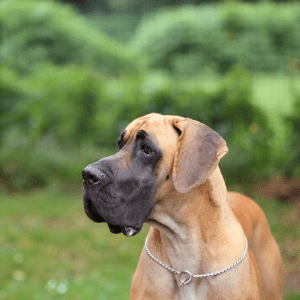
Today, the Great Dane is known for its imposing size and gentle nature. They are typically 28 to 32 inches tall at the shoulder and weigh between 100 and 200 pounds. Despite their size, Great Danes are known for their calm demeanor and affectionate personalities, and make excellent family pets for those who have the space and resources to care for them.
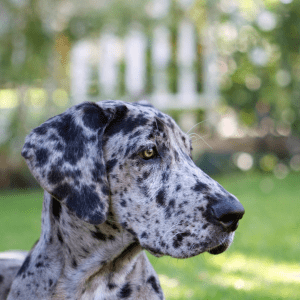
They have a short, smooth coat that can come in a variety of colors, including fawn, brindle, blue, black, and harlequin (white with black patches).
Great Danes are known for their gentle and friendly nature, despite their size, they are known for their calm and affectionate demeanor. They are often referred to as “gentle giants” and make excellent family pets.
However, they do require a lot of space and exercise, and can be prone to certain health problems such as hip dysplasia and bloat. It’s important for owners to provide proper care and attention to their Great Dane to ensure their health and happiness.
Great Danes are not particularly active dogs, but they do require daily exercise to keep them healthy and happy. They enjoy going for walks and playing in a fenced-in yard.
Because of their large size, Great Danes are prone to certain health problems, including hip dysplasia, bloat, and heart issues. It’s important for owners to keep up with regular veterinary checkups and to provide proper nutrition and exercise to prevent these issues.
Great Danes have a relatively short lifespan, with an average lifespan of 7-10 (some sources say 6-8) years. This is partly due to their size and the health issues they can be prone to.
Great Danes come in a variety of colors, including fawn, brindle, black, blue, harlequin, mantle, and sometimes even white. Fawn is the most common color, which ranges from light beige to deep golden. Brindle is a mix of fawn and black or dark brown stripes, while black and blue are solid colors. Harlequin is characterized by a white base coat with black torn patches, and mantle is a black and white coat with distinct separation of colors.
Great Danes are not well-suited to small apartments or homes without a yard. However, they are relatively low-maintenance when it comes to grooming, as their short coat requires only occasional brushing.
Breeds Similar to the Great Dane
The Great Dane vs. The Irish Wolfhound
Appearance:
- Great Dane: The Great Dane is a giant breed with a sleek and muscular body. They have a long, narrow head with a deep, powerful chest. Their coat is short and comes in a variety of colors, including black, blue, fawn, and brindle. They stand 28-32 inches tall at the shoulder and weigh between 100-200 pounds.
- Irish Wolfhound: The Irish Wolfhound is one of the tallest breeds, known for its graceful and athletic appearance. They have a long, narrow head with a deep chest and a long, shaggy coat that is usually gray, brindle, or fawn. They stand 30-35 inches tall at the shoulder and weigh between 115-180 pounds.
Temperament:
- Great Dane: Great Danes are known for their gentle and friendly personality. They are loyal and affectionate with their family but can be reserved with strangers. They are calm and patient but can also be playful and energetic.
- Irish Wolfhound: Irish Wolfhounds are also known for their gentle and friendly personality. They are affectionate with their family and are known for their patience and loyalty. They are reserved with strangers but are generally not aggressive.
Health:
- Great Dane: Great Danes can be prone to certain health issues, including hip dysplasia, bloat, and heart problems.
- Irish Wolfhound: Irish Wolfhounds can also be prone to certain health issues, including hip dysplasia, heart problems, and bone cancer.
Grooming:
- Great Dane: Great Danes have a short, smooth coat that requires minimal grooming. They only need occasional brushing and bathing.
- Irish Wolfhound: Irish Wolfhounds have a long, shaggy coat that requires regular grooming. They need to be brushed several times a week and may require occasional trimming.
In summary, both Great Danes and Irish Wolfhounds are large, friendly breeds that make great family pets. While they have some similarities in temperament, they differ in their appearance, health issues, and grooming needs. Great Danes have a shorter, smoother coat that requires minimal grooming, while Irish Wolfhounds have a longer, shaggy coat that requires more regular brushing and occasional trimming.
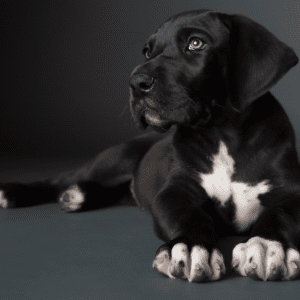
FUN FACTS
Here are some fun and little-known facts about Great Danes:
- Despite their imposing size, Great Danes are often referred to as the “gentle giants” of the dog world because of their friendly and affectionate nature.
- Great Danes have made appearances in popular culture, including in the cartoon series Scooby-Doo where Scooby-Doo is a Great Dane.
- Great Danes are one of the tallest dog breeds, with the world record for the tallest dog ever recorded going to a Great Dane named Zeus who stood at 44 inches (111.8 cm) tall.
- Great Danes have been known to “lean” on their owners, using their weight to get as close to them as possible for some extra affection.
- Great Danes were originally bred for hunting wild boar, but they also served as protectors of estates and nobility in Germany.
- Great Danes were once used by German troops in World War I to help transport equipment and wounded soldiers.
- Great Danes have a reputation for being droolers. It’s important for owners to keep a towel on hand to wipe away any excess drool.
- Great Danes can be trained to do a variety of tasks, including serving as therapy dogs and performing in obedience and agility competitions.
- Despite their size, Great Danes can be quite sensitive and may not respond well to harsh training methods. Positive reinforcement training is recommended.
- Great Danes are not only large in size, but they also have a big heart. They are known for their loyalty and devotion to their owners.
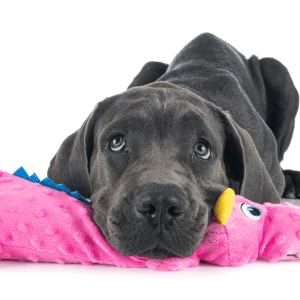
READY TO ADD A GREAT DANE TO YOUR HOME OR FAMILY?
Great Danes make great pets due to their gentle and affectionate nature, as well as their loyalty and protective instincts towards their owners. They are also adaptable to different living situations and generally get along well with children and other pets.
Here are few things to consider before adding a Great Dane to your home or family:
Feeding: Great Danes need a high-quality, balanced diet that is appropriate for their size and age. It’s important not to overfeed them, as they are prone to weight gain and obesity. Speak to your veterinarian about the best feeding schedule and diet for your Great Dane.
Exercise: Great Danes need daily exercise, but it should be low-impact and appropriate for their size. Walking, swimming, and playing in a fenced-in yard are good options. Avoid high-impact activities like jumping or running on hard surfaces until your Great Dane is fully grown.
Grooming: Great Danes have a short, smooth coat that requires minimal grooming. They should be brushed once a week to remove loose hair and debris. Bathe them as needed, but not too often as it can strip their coat of natural oils. Check their ears regularly for signs of infection or irritation, and trim their nails as needed.
Training: Great Danes are intelligent dogs that respond well to positive reinforcement training. It’s important to socialize them early to prevent any behavioral issues, and to provide consistent training and boundaries to keep them well-behaved.
Health: Great Danes are prone to certain health issues, including hip dysplasia, bloat, and heart problems. It’s important to schedule regular veterinary checkups and to be aware of any signs of illness or discomfort. Keep them up to date on vaccinations and parasite prevention.
Environment: Great Danes are not well-suited to small living spaces, as they require a lot of room to move around. They also prefer a comfortable, warm sleeping area and plenty of shade during hot weather. Ensure that your home and yard are safe and secure, and provide plenty of toys and stimulation to prevent boredom.
Famous Great Danes
- Scooby-Doo – the cartoon character from the TV show “Scooby-Doo, Where Are You!” is a Great Dane.
- Marmaduke – the comic strip and movie character is also a Great Dane.
- Hamlet – the Great Dane owned by the famous actor, Will Smith.
- George – the Great Dane owned by the famous actress, Ellen DeGeneres.
- Gibson – the tallest dog on record, standing at 7 feet tall when standing on his hind legs, was a Great Dane.
- Chamberlain – a Great Dane who served as the official mascot for Purdue University for over 30 years.
- Juno – a Great Dane who starred in the movie “The Art of Racing in the Rain”.
Grab your FREE New Puppy Success Guide to help select, prepare for, and train your new puppy!! 

If you’re interested in purchasing a Great Dane puppy in the USA, it’s important to find a reputable breeder who prioritizes the health and well-being of their dogs.
Here are some resources to help you find a responsible breeder:
- The Great Dane Club of America (GDCA) – The GDCA has a breeder referral program on their website where you can search for breeders in your area who are members of the organization and adhere to their code of ethics.
- The American Kennel Club (AKC) – The AKC also has a breeder referral program on their website, where you can search for breeders of Great Danes who are registered with the organization.
- Great Dane Rescue clubs – Many states have local Great Dane Rescue clubs that may have Danes in need of a loving home.
DON’T FORGET TO CHECK OUT OUR GREAT DANE 101 VIDEO ON YOUTUBE!!

Great Dane Puppy Prices
When it comes to the price of a Great Dane, it can vary depending on factors such as the breeder’s reputation, location, lineage, and the dog’s quality. On average, you can expect to pay between $1,000 to $3,000 for a Great Dane puppy from a reputable breeder.
If you’re considering adopting a Great Dane, you can also check with rescue organizations or shelters that may have Great Danes available for adoption. Adoption fees for rescue dogs are typically lower and can range from around $300 to $600. These fees usually cover basic veterinary care, vaccinations, and sometimes spaying/neutering.

By having these essential products ready before bringing your new Great Dane home, you can help ensure a smooth transition and a happy, healthy life for your furry friend.
Keep in mind that the purchase of any dog is a big decision and responsibility, and it is important to choose a breed that fits your lifestyle and preferences.
SUMMARY
Great Dane Height: 26-30 inches for females, 28-32 inches for males
Great Dane Weight: 100-200 lbs.
Great Dane Colors: Fawn, brindle, black, blue, harlequin, mantle, white
Great Dane Temperament: Loving, gentle, loyal, friendly, patient
Great Dane Life Expectancy: 7-10 years.
Overall, Great Danes make loving and loyal companions, providing affection, protection, and endless entertainment with their gentle and goofy personalities.
Want some more ways to spread the Great Dane love?
Follow these hashtags on social media:#greatdane #greatdanesofinstagram #greatdanelove #greatdaneclub #greatdanepuppy #greatdanelovers #greatdanebreed #greatdanesofig #greatdaneworld #greatdanesrock #greatdanesrule #greatdanepics #greatdaneoftheday #greatdanenation #greatdanemoments #greatdanelife #greatdanepuppies #greatdanesunited #greatdanesarethebest #greatdane_feature #greatdaneadventures #greatdanesdaily #greatdanesmile #greatdanesquad #greatdanesofigworldwide #greatdaneloversclub #greatdanemom #greatdanecommunity #greatdanelover #greatdaneobsessed
Print this FREE Great Dane Coloring Page!
Connect with us on social media to see more about the Great Dane!