



The Saint Bernard is a breed of large working dogs that originated in the Western Alps of Switzerland, Italy, and France. These dogs were primarily used for rescuing travelers and pilgrims lost in the mountains, as they have a strong sense of smell and can locate people buried in the snow.
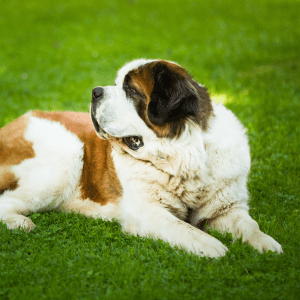
Saint Bernards are known for their massive size, with adult males weighing between 140 and 180 pounds, and females weighing between 120 and 140 pounds. They have a thick, dense coat that is typically white with brown or black markings.
In terms of temperament, Saint Bernards are known for being gentle, friendly, and loyal dogs. They are also known for being good with children and other pets, and are often used as therapy dogs.
Here is some more detailed information about Saint Bernard dogs:
History
Saint Bernards were originally bred by monks at the Hospice of Saint Bernard in the Western Alps. These dogs were used to help locate and rescue travelers who became lost or injured in the mountains. Over time, the breed became well-known for their rescue work and their gentle, friendly temperament.
Appearance
Saint Bernards are large dogs with a muscular build and a thick, dense coat. They typically have a white coat with brown, black, or red markings, and their eyes are usually brown. The breed standard allows for both smooth and rough coats.
Temperament
Saint Bernards are known for their friendly, gentle nature, and they are typically good with children and other pets. They are also known for their loyalty and affection towards their owners. However, because of their size, they can accidentally knock over small children or elderly people, so it’s important to supervise them around vulnerable individuals.
Training and Exercise
Saint Bernards are intelligent dogs, but they can be stubborn at times. They respond well to positive reinforcement training methods and consistency. They require regular exercise to keep them in good physical shape, and a large yard or a spacious home is recommended to accommodate their size.
Health
Saint Bernards are prone to certain health issues, including hip and elbow dysplasia, bloat, and heart problems. Regular vet checkups and proper nutrition can help prevent some of these issues. It’s important to buy a Saint Bernard from a reputable breeder who screens for health issues in their breeding stock.
Saint Bernards make great family pets for those who have the space and time to care for them properly. They are affectionate, loyal, and known for their rescue work in the mountains, which has earned them a special place in history and in the hearts of many dog lovers.
Breed Confusion
Saint Bernard vs. Bernese Mountain Dog
The Bernese Mountain Dog is one of the breeds most often confused with the St. Bernard. Both breeds are large, have a similar tri-colored coat pattern (black, white, and tan), and share a gentle and friendly demeanor. Due to these similarities in appearance and temperament, people sometimes mistake Bernese Mountain Dogs for St. Bernards and vice versa.
Here’s a comparison and contrast between these two breeds:
Origin
- Bernese Mountain Dog: The Bernese Mountain Dog originated in Switzerland. They were originally bred as working dogs for tasks such as herding cattle and pulling carts in the Swiss Alps.
- St. Bernard: St. Bernards, on the other hand, originated in the Swiss Alps as well, specifically in the Great St. Bernard Pass. They were initially bred by monks at the Great St. Bernard Hospice for rescue and guarding purposes.
Size
- Bernese Mountain Dog: Bernese Mountain Dogs are large but not as massive as St. Bernards. They typically weigh between 70 to 115 pounds and stand around 23 to 28 inches tall at the shoulder.
- St. Bernard: St. Bernards are one of the largest dog breeds. They can weigh anywhere from 140 to 180 pounds or even more and stand 26 to 30 inches tall at the shoulder.
Coat and Appearance
- Bernese Mountain Dog: Bernese Mountain Dogs have a distinctive tri-colored coat with a black base, white markings on the face, chest, and legs, and rust-colored accents. Their coat is long and silky.
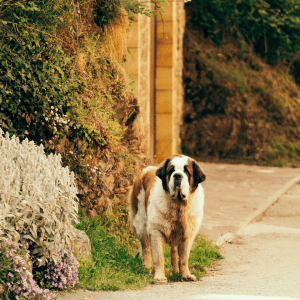
- St. Bernard: St. Bernards typically have a white coat with reddish-brown markings around the ears and eyes. Their coat is dense, short to medium in length, and tends to be rough to the touch.

Temperament
- Bernese Mountain Dog: Bernese Mountain Dogs are known for their friendly, affectionate, and gentle nature. They are often described as good-natured and enjoy being with their families. They can be good with children and other pets if properly socialized.
- St. Bernard: St. Bernards are also gentle and friendly, often referred to as “gentle giants.” They are known for their patience and are usually good with children. They can be more laid-back compared to Bernese Mountain Dogs.
Activity Level
- Bernese Mountain Dog: While they are a large breed, Bernese Mountain Dogs are moderately active. They enjoy outdoor activities and playtime but do not have extremely high exercise needs.
- St. Bernard: St. Bernards are also moderate in terms of activity. They need daily exercise but do not require as much exercise as some other breeds.
Lifespan
- Bernese Mountain Dog: The typical lifespan of a Bernese Mountain Dog is around 7 to 10 years.
- St. Bernard: St. Bernards have a similar lifespan, usually around 7 to 10 years.
Health Concerns
- Both breeds are prone to certain health issues, including hip and elbow dysplasia, bloat (gastric torsion), and certain hereditary conditions. Potential owners should be aware of these health concerns and work with responsible breeders who prioritize health testing.
In conclusion, both Bernese Mountain Dogs and St. Bernards are wonderful, loving breeds that make excellent family pets. The choice between them should primarily depend on your preferences regarding size, appearance, and activity level, as well as your ability to meet their specific care needs. Additionally, consider adopting from rescue organizations or shelters for either breed if you’re open to providing a loving home to a dog in need.

FUN FACTS
Here are some fun facts about Saint Bernards:
- Saint Bernards are known for their love of cold weather and snow. They were originally bred to work in the snowy Alps, and their thick coats help protect them from the cold.
- The famous image of Saint Bernards carrying barrels of brandy around their necks is actually a myth. The barrels were never used for brandy, but rather for carrying food and other supplies to the rescue sites.
- The most famous Saint Bernard in history is probably Barry, who lived at the Hospice of Saint Bernard from 1800 to 1812. During his lifetime, he saved more than 40 people from the snow and was responsible for founding the modern Saint Bernard breed.
- Saint Bernards are often featured in movies and television shows, including “Beethoven” and “Peter Pan.”
- Despite their size, Saint Bernards are actually great swimmers and love to swim.
- Saint Bernards have been used as therapy dogs for many years, and their gentle nature and affectionate personality make them well-suited for this role.
- Saint Bernards are one of the largest dog breeds in the world, with some individuals weighing over 200 pounds.
- Despite their large size, Saint Bernards are known for being gentle giants, and they are often great with children and other pets.
- Saint Bernards have been bred to work as rescue dogs for centuries, and their excellent sense of smell and their ability to locate lost travelers has saved countless lives.
- Saint Bernards are often referred to as “saints” or “Berners” for short, and they have a loyal following of fans around the world who love them for their friendly personalities and lovable nature.

READY TO ADD A SAINT BERNARD TO YOUR HOME OR FAMILY?
Saint Bernards make affectionate and gentle family pets, known for their patience and good-natured temperament. However, due to their large size and heavy shedding, they require ample space and regular grooming, making them best suited for families with spacious homes and a love for big, furry companions.
Before getting a Saint Bernard, however, there are several important factors to consider:
Size and Space: Saint Bernards are one of the largest dog breeds, so you need to have a spacious home with enough room for them to move comfortably. They are not well-suited for small apartments.
Exercise Needs: Despite their size, Saint Bernards are not highly active dogs, but they still need regular exercise to stay healthy. Daily walks and playtime are essential to keep them in good shape.
Grooming: Saint Bernards have a thick coat that sheds year-round and more heavily during seasonal changes. Be prepared for regular grooming and brushing to manage shedding and prevent matting.
Health Considerations: This breed is prone to certain health issues, including hip and elbow dysplasia, bloat, and heart problems. Regular veterinary check-ups and a good understanding of their health needs are crucial.
Socialization and Training: Proper socialization and training are vital, especially because of their large size. Early training and socialization can help ensure they are well-behaved and comfortable around people and other animals.
Temperament: Saint Bernards are known for their gentle and friendly nature, but they can be stubborn at times. Understanding their temperament and being patient with training is important.
Cost of Ownership: Large dogs often come with higher costs for food, grooming, and veterinary care. Be prepared for these expenses throughout their lifetime.
Lifespan: Saint Bernards typically have a shorter lifespan compared to smaller breeds. Be ready for the emotional aspects of caring for a dog with a shorter life expectancy.
Family Compatibility: Saint Bernards are generally good with children and can be great family dogs. However, their large size means they can accidentally knock over small children, so supervision is important.
Breeder Selection: Choose a reputable breeder who conducts health screenings on their breeding dogs to reduce the risk of genetic health problems.
Adoption Option: Consider adopting a Saint Bernard from a rescue organization or shelter. Many wonderful dogs are in need of loving homes, and adoption can be a rewarding experience.
Lifestyle Fit: Ensure that the Saint Bernard’s characteristics and care requirements align with your lifestyle and daily routines.
Grab your FREE New Puppy Success Guide to help select, prepare for, and train your new puppy!! 


If you are interested in purchasing a Saint Bernard, here in the USA, there are a few options available to you:
- Reputable Breeders: One of the most common ways to acquire a Saint Bernard puppy is through a reputable breeder. Look for breeders who are members of the Saint Bernard Club of America (SBCA) or other recognized breed clubs. You can find breeders through the SBCA website or by attending dog shows and events where breeders often exhibit their dogs.
- Rescue Organizations: Consider adopting a Saint Bernard from a rescue organization or shelter. Many Saint Bernards in need of homes are available through breed-specific rescues or general animal shelters. Websites like Petfinder and Adopt-a-Pet can help you locate adoptable Saint Bernards in your area.
- Local Kennel Clubs: Contact your local kennel club or breed-specific club. They may have information about reputable breeders or upcoming litters.
- Online Resources: Websites like puppies.com list puppies available for sale from breeders across the country. While these sites can be a useful resource, it’s essential to verify the reputation and ethical practices of any breeder you find online.
- Word of Mouth: Ask for recommendations from fellow dog owners, veterinarians, or dog trainers. Personal referrals can lead you to reputable breeders.
DON’T FORGET TO CHECK OUT OUR SAINT BERNARD 101 VIDEO ON YOUTUBE!!

Saint Bernard Puppy Prices
The price of a Saint Bernard puppy can vary significantly based on various factors such as the breeder’s reputation, the puppy’s lineage, location, health clearances, and whether the puppy comes with papers or is considered show quality.
On average, a Saint Bernard puppy from a reputable breeder can range from $1,000 to $3,000. However, some exceptional bloodlines or show-quality Saint Bernards might cost even more, potentially reaching $5,000 or more.

Remember that each puppy is unique, and your puppy’s specific needs may vary. Consult with your veterinarian and a professional dog trainer for personalized guidance on caring for your Saint Bernard puppy.
Keep in mind that the purchase of any dog is a big decision and responsibility, and it is important to choose a breed that fits your lifestyle and preferences.

SUMMARY
Saint Bernard Height: 26-28 inches for females, 28-30 inches for males
Saint Bernard Weight: 120-140 lbs for females, 140-180 lbs for males
Saint Bernard Colors: White, Red/Mahogany Markings, Brindle, Black Mask
Saint Bernard Temperament: Gentle, Friendly, Patient, Loyal, Good-Natured
Saint Bernard Life Expectancy: 7-10 years.
Overall, the Saint Bernard is a devoted and gentle companion, known for its affectionate nature and loyalty to its family.
Want some more ways to spread the Saint Bernard love?
Follow these hashtags on social media: #SaintBernardLove #SaintBernardLife #SaintBernardPuppyLove #SaintBernardLovers #SaintBernardFamily #SaintBernardCommunity #SaintBernardPride #SaintBernardNation #SaintBernardLifeStyle #SaintBernardGoals #SaintBernardAdventures #SaintBernardSoulmate #SaintBernardFur #SaintBernardBestFriend #SaintBernardPersonality #SaintBernardLifestyle #SaintBernardCute #SaintBernardTraining #SaintBernardFun #SaintBernardHappy
Print this FREE Saint Bernard Coloring Page!
Connect with us on social media to see more about the Saint Bernard!