



Bouviers des Flandres, also known as Belgian Cattle Dogs or Vlaamse Koehond in Dutch, are a breed of large, sturdy dogs originally from the Flanders region of Belgium. They were historically used as working dogs to herd and guard livestock, and were also employed as draft animals, pulling carts and wagons.
Bouviers des Flandres are known for their intelligence, loyalty, and protective nature, and make excellent family pets for those who have experience with large breeds. They are generally calm and patient but can be protective and territorial if they perceive a threat to their family or home.
The breed typically weighs between 70 and 110 pounds, and has a thick, rough coat that can range in color from fawn to black. They require regular grooming and exercise to keep them healthy and happy.
In recent years, Bouviers des Flandres have also been trained as police dogs and search and rescue dogs due to their keen sense of smell and excellent work ethic.
Here is some more detailed information about Bouviers des Flandres:
Appearance
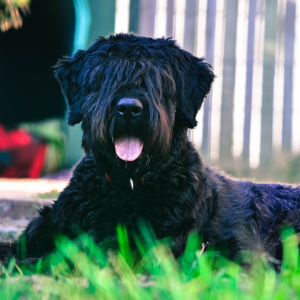
Bouviers des Flandres are large, muscular dogs with a thick, rough coat that protects them from the elements. They have a broad head, a strong jaw, and medium-sized, pendant-shaped ears. The breed’s eyes are typically brown, but can be blue or gray in dogs with lighter-colored coats. Bouviers des Flandres have a square-shaped build and stand between 22 and 28 inches tall at the shoulder.
Temperament
Bouviers des Flandres are intelligent, loyal, and protective dogs that form strong bonds with their families. They are generally calm and patient, but can be reserved around strangers and may exhibit protective behavior towards their owners. They require a firm, consistent hand in training, but respond well to positive reinforcement techniques. Bouviers des Flandres are social dogs and enjoy spending time with their owners and participating in activities like obedience training, agility, and hiking.
Health
Like all breeds, Bouviers des Flandres can be prone to certain health issues. Some common conditions include hip dysplasia, elbow dysplasia, bloat, and eye problems like cataracts and progressive retinal atrophy. It’s important to work with a reputable breeder who conducts health testing on their breeding stock to minimize the risk of these conditions.
Exercise and Training
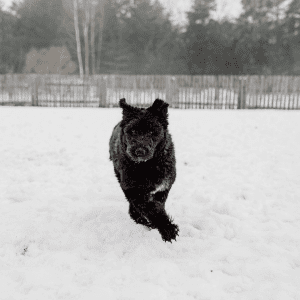
Bouviers des Flandres are active dogs that require regular exercise to stay healthy and happy. They enjoy daily walks, playtime in a securely-fenced yard, and activities like obedience training, agility, and herding. Bouviers des Flandres are highly trainable and excel in activities that require mental and physical stimulation.
Grooming
Bouviers des Flandres have a thick, double coat that requires regular grooming to prevent matting and tangling. They should be brushed at least once a week and bathed as needed. The breed’s coat should be trimmed every few months to maintain its shape and prevent it from becoming too long and unruly. Bouviers des Flandres also require regular nail trimming, teeth brushing, and ear cleaning to maintain good hygiene.
Bouviers des Flandres are a loyal, intelligent, and protective breed that make great family pets for those who have experience with large, active dogs. They require regular exercise, grooming, and training to thrive, but reward their owners with years of love and companionship.
Breed Confusion
Bouviers Des Flandres vs. Giant Schnauzer
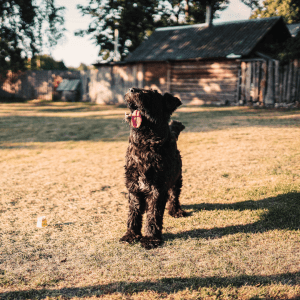
The Bouvier des Flandres and the Giant Schnauzer are both large, powerful breeds with distinctive appearances, but they have differences in terms of their origins, temperament, and characteristics.
Here’s a comparison and contrast between the two breeds:
Origins:
- Bouvier des Flandres: The Bouvier des Flandres, often referred to as the Bouvier, originates from the Flanders region, which spans parts of Belgium and France. It was initially bred for herding and driving cattle, as well as serving as a farm dog and cart-puller.
- Giant Schnauzer: The Giant Schnauzer hails from Germany and was primarily developed for guarding livestock and properties, as well as driving cattle to market. They were also used as working and farm dogs.
Size:
- Bouvier des Flandres: Bouviers are large, sturdy dogs. On average, males stand about 23.5 to 27.5 inches tall at the shoulder and weigh between 80 to 110 pounds. Females are slightly smaller.
- Giant Schnauzer: Giant Schnauzers are also large, but they are typically a bit taller than Bouviers. Males usually stand between 25.5 to 27.5 inches tall and weigh around 85 to 95 pounds, while females are slightly smaller.
Coat:
- Bouvier des Flandres: Bouviers have a distinctive double coat that is dense, harsh, and weather-resistant. Their coat requires regular grooming and can come in various colors, including black, fawn, gray, and brindle.
- Giant Schnauzer: Giant Schnauzers have a dense, wiry, and harsh coat that is typically solid black or salt-and-pepper (a combination of black and gray).
Temperament:
- Bouvier des Flandres: Bouviers are known for their calm, steady, and protective nature. They are loyal, intelligent, and often reserved with strangers. They can be strong-willed but are usually obedient and reliable family dogs.
- Giant Schnauzer: Giant Schnauzers are intelligent, alert, and protective. They are often more assertive and less reserved than Bouviers, making them excellent watchdogs. They are also known for their high energy levels and need for mental stimulation.
Trainability:
- Bouvier des Flandres: Bouviers are generally trainable and eager to please but may have an independent streak. They respond well to positive reinforcement methods and early socialization.
- Giant Schnauzer: Giant Schnauzers are highly intelligent and can excel in various dog sports and activities with proper training. They require consistent and firm training to manage their protective instincts.
In conclusion, both the Bouvier des Flandres and the Giant Schnauzer are strong, capable working breeds with distinct characteristics. While the Bouvier is known for its calm and steady temperament, the Giant Schnauzer tends to be more assertive and vigilant. Your choice between the two should depend on your lifestyle, training abilities, and preferences for a specific breed’s temperament and appearance.
FUN FACTS
Here are a few fun and little-known facts about Bouviers des Flandres:
- Bouviers des Flandres were used by the Belgian army in World War I as messenger dogs, ambulance dogs, and even as pack animals to carry supplies.
- The breed was almost extinct after World War II, but a group of Belgian breeders worked to revive the breed by crossing surviving dogs with other breeds like the Scottish Deerhound and the Irish Wolfhound.
- Bouviers des Flandres have a strong herding instinct and were historically used to drive cattle and other livestock to market.
- The breed is known for its excellent sense of smell and has been trained to work as police dogs, search and rescue dogs, and even cancer detection dogs.
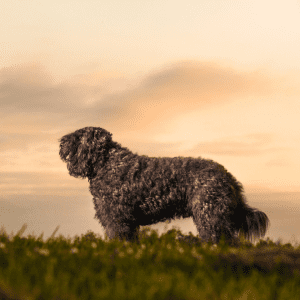
- Bouviers des Flandres have a distinctive beard and mustache that is thought to have helped protect their faces from kicks and bites while working with livestock.
- The breed’s coat is naturally water-resistant, which made them well-suited to working in wet and muddy conditions.
- Bouviers des Flandres are sometimes called “Gentle Giants” due to their large size and calm, gentle temperament.
- The Bouvier des Flandres was recognized by the American Kennel Club in 1929.
- In addition to their work as herding and guard dogs, Bouviers des Flandres have also been trained to pull carts and wagons, and to compete in weight-pulling competitions.
- Bouviers des Flandres are sometimes used as therapy dogs due to their calm and patient nature.
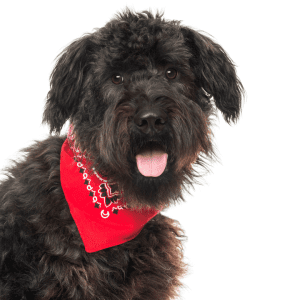
READY TO ADD A BOUVIERS DES FLANDRES TO YOUR HOME OR FAMILY?
The Bouvier des Flandres makes a loyal and protective pet, known for its gentle yet sturdy demeanor, making it an excellent choice for families seeking both a devoted companion and a watchful guardian. While they require regular grooming and early socialization, their intelligence and obedience make them rewarding pets for those who can invest time in their care.
Before getting a Bouvier des Flandres, however, consider the following factors:
Size and Space: Bouviers are large dogs that need ample space both indoors and outdoors. Ensure you have a suitable living environment, whether it’s a spacious home or access to a secure yard.
Exercise Needs: Bouviers are active dogs with moderate to high exercise requirements. Be prepared for daily walks, playtime, and mental stimulation to keep them happy and prevent boredom.
Grooming Commitment: Their dense, double coat requires regular grooming to prevent matting and maintain hygiene. Brushing, trimming, and occasional professional grooming are necessary.
Training: Bouviers are intelligent but can be strong-willed. Consistent training with positive reinforcement methods and early socialization are essential to ensure they are well-behaved and comfortable around people and other pets.
Temperament: While Bouviers are loyal and protective, they can also be reserved with strangers. Consider whether their protective instincts align with your household’s needs and whether they can be introduced to new people and situations safely.
Family Compatibility: Bouviers can be great family dogs, but their size and protective nature may not be suitable for households with very young children. Supervision is key.
Time Commitment: They thrive on companionship and can suffer from separation anxiety if left alone for long periods. Ensure that someone is available to spend time with your Bouvier or consider doggy daycare or a dog walker.
Healthcare: Bouviers are prone to certain health issues, including hip dysplasia, bloat, and eye problems. Regular veterinary check-ups and preventive care are essential.
Lifestyle: Assess whether their temperament and exercise needs match your lifestyle and activity level. Bouviers are not recommended for sedentary households.
Pet Insurance: Consider getting pet insurance to help cover potential veterinary expenses, as large breeds like the Bouvier can be susceptible to certain health conditions.
Long-Term Commitment: Remember that Bouviers have a lifespan of around 10 to 12 years or longer. Be prepared for a long-term commitment to provide them with a loving and stable home throughout their life.
Breeder Selection: If getting a puppy, choose a reputable breeder who conducts health testing and prioritizes the well-being of their dogs. Consider adopting from a rescue organization if that aligns with your preferences.
Before bringing a Bouvier des Flandres into your home, thorough research, preparation, and a commitment to their needs are essential to ensure a happy and healthy relationship with your new furry companion.
Grab your FREE New Puppy Success Guide to help select, prepare for, and train your new puppy!! 

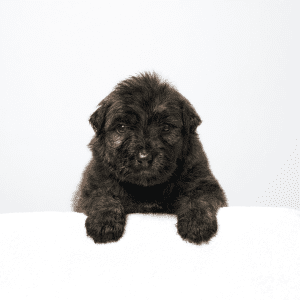
If you are interested in purchasing a Bouviers des Flandres, here in the USA, there are a few options available to you:
- Breeders: You can search for reputable Bouvier des Flandres breeders in the USA through national and regional breed clubs, such as the American Bouvier des Flandres Club. These clubs often have breeder directories or can provide you with a list of breeders who follow responsible breeding practices.
- Rescue Organizations: Consider adopting a Bouvier des Flandres from a rescue organization. There are breed-specific rescue groups dedicated to finding homes for Bouviers in need. One example is the Second Chance Bouviers Rescue.
- Local Shelters and Pet Adoption Websites: While Bouviers may not be as common in shelters as some other breeds, it’s worth checking local animal shelters and websites like Petfinder and Adopt-a-Pet. Occasionally, Bouviers or Bouvier mixes become available for adoption through these channels.
- Dog Shows and Events: Attend dog shows, specialty shows, and events that feature Bouviers des Flandres. You may have the opportunity to meet breeders, owners, and enthusiasts who can provide information on available puppies or upcoming litters.
- Online Resources: Websites like the AKC Marketplace can be useful for finding Bouvier des Flandres puppies from reputable breeders. However, always exercise caution and thoroughly research any breeder you find online to ensure they adhere to responsible breeding practices.
DON’T FORGET TO CHECK OUT OUR BOUVIER DES FLANDRES 101 VIDEO ON YOUTUBE!!

Bouvier Des Flandres Puppy Prices
The price of Bouvier des Flandres puppies can vary based on several factors including the reputation of the breeder, the lineage and pedigree of the dog, geographical location, and the specific qualities of the individual puppy (such as coat color, markings, and health).
On average, a Bouvier des Flandres puppy from a reputable breeder can cost anywhere from $1,500 to $2,500 or even more. Show-quality or puppies from champion bloodlines may be priced higher. However, prices can fluctuate significantly and may be influenced by demand, availability, and the breeder’s reputation.
When searching for a Bouvier des Flandres, it’s crucial to prioritize ethical and responsible breeders or rescue organizations. Ask questions about the health and genetic testing of the parents, the puppy’s upbringing, and any guarantees or contracts associated with the adoption. Ensure that the breeder or organization is committed to the well-being of their dogs and puppies. Additionally, be prepared for the possibility of a waiting list, as this breed may not be widely available.
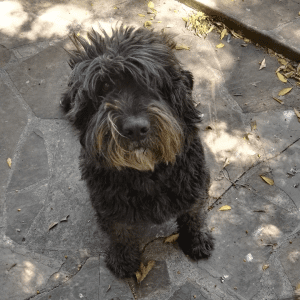
Remember that the specific products you need may vary based on your individual Bouvier’s age, preferences, and lifestyle. Always consult with your veterinarian for personalized recommendations, especially when it comes to diet and healthcare products.
Keep in mind that the purchase of any dog is a big decision and responsibility, and it is important to choose a breed that fits your lifestyle and preferences.
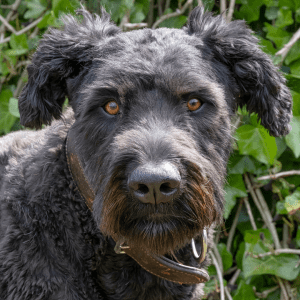
SUMMARY
Bouviers des Flandres Height: 24-27 inches
Bouviers des Flandres Weight: 60-80 lbs for females, 75-110 for males
Bouviers des Flandres Colors: Black, Fawn, Brindle, Gray, Black and Gray, Salt and Pepper
Bouviers des Flandres Temperament: Protective, Loyal, Confident, Intelligent, Adaptable
Bouviers des Flandres Life Expectancy: 10-12 years.
Overall, the Bouvier des Flandres makes a devoted and protective companion, combining loyalty with intelligence to form a strong and loving bond with their family.
Want some more ways to spread the Bouviers des Flandres love?
Follow these hashtags on social media: #BouvierDesFlandres #BouviersOfInstagram #BouvierLove #Bouviersofig #BouvierLife #BouvierPuppy #BouvierWorld #BouvierNation #BouvierCommunity #BouvierDog #BouvierGram #BouvierCuteness #BouvierPets #BouvierFeature #BouvierCorner #BouvierFam #BouvierBeauty #BouvierPride #BouvierPerfection #BouvierHappy #BouvierGoodness #BouvierFun #BouvierLovers #BouvierAdventures #BouvierDoggo #BouvierGrooming #BouvierStyle #BouvierFamily #BouvierDaily #BouvierTraining
Print this FREE Bouviers des Flandres Coloring Page!
Connect with us on social media to see more about the Bouviers des Flandres!