

Rhodesian Ridgeback is a breed of dog that originated in Southern Africa, specifically in what is now Zimbabwe, formerly Rhodesia. They were originally used by the local tribes for hunting big game, such as lions, and were later developed as a breed by European settlers in the region.
Rhodesian Ridgebacks are large, muscular dogs that typically weigh between 70-85 pounds and stand around 24-27 inches tall at the shoulder. They are known for their distinctive “ridge” of hair on their back, which grows in the opposite direction from the rest of their coat. This ridge is caused by a genetic mutation and is a defining characteristic of the breed.
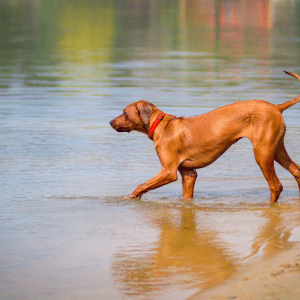
These dogs are intelligent and independent, but also loyal and affectionate with their families. They have a high energy level and need plenty of exercise and mental stimulation to stay happy and healthy. They are also protective of their families and can be wary of strangers, making them good watchdogs.
Rhodesian Ridgebacks make great companions for active families who have the time and dedication to properly train and care for them.

Breed Confusion
Rhodesian Ridgeback vs. Vizsla
The Vizsla is a breed of dog that is sometimes confused with the Rhodesian Ridgeback. While these two breeds have some similarities, they also have distinct differences.
Here’s some information about both breeds to help you understand why they might be confused:
Rhodesian Ridgeback
- Origin: Rhodesian Ridgebacks, also known as African Lion Hounds, originate from Southern Africa, particularly Zimbabwe (formerly Rhodesia), where they were bred by crossing various European breeds with local African dogs.
- Size: Rhodesian Ridgebacks are large dogs, with males typically standing between 25-27 inches (63-69 cm) at the shoulder and weighing around 85-90 pounds (38-41 kg). Females are slightly smaller.
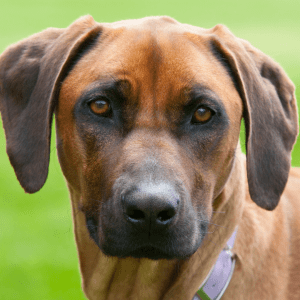
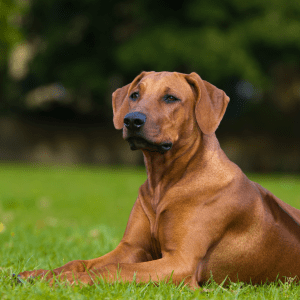
- Coat: They have a short and sleek coat that can range in color from light wheaten to red wheaten. Their most distinctive feature is the “ridge” of hair along their back, which grows in the opposite direction to the rest of the coat.
- Purpose: Originally bred for hunting lions, Rhodesian Ridgebacks are known for their bravery and hunting prowess. They are also loyal and protective family dogs.
Vizsla
- Origin: Vizslas are Hungarian hunting dogs with a history dating back hundreds of years. They were bred to be versatile hunting dogs capable of pointing and retrieving game.
- Size: Vizslas are slightly smaller than Rhodesian Ridgebacks, with males typically standing between 22-24 inches (56-61 cm) at the shoulder and weighing around 55-60 pounds (25-27 kg). Females are smaller.
- Coat: They have a short, rust-colored coat that is smooth and dense.
- Purpose: Vizslas are primarily hunting dogs, excelling at pointing and retrieving game. They are known for their boundless energy, affectionate nature, and love for human companionship.
The confusion between Rhodesian Ridgebacks and Vizslas might arise due to their similar coat color (both have reddish tones) and their sleek, athletic appearance. However, their size, origin, and primary purposes are distinct. Proper identification and understanding of their individual characteristics should help prevent confusion between these two breeds.
FUN FACTS
Here are some fun facts about Rhodesian Ridgebacks:
- The ridge on a Rhodesian Ridgeback’s back is caused by a genetic mutation that is unique to the breed. It is also sometimes referred to as a “reverse” or “upside-down” coat.
- Rhodesian Ridgebacks have been used for a variety of jobs throughout history, including hunting, guarding, and even serving as messenger dogs during wartime.
- The breed was named after the former British colony of Rhodesia, now known as Zimbabwe, where they were developed.
- Rhodesian Ridgebacks have been known to take on lions, which is why they are sometimes referred to as the “lion dog”.
- These dogs have a high pain tolerance, which can make it difficult to know when they are injured or in pain.
- Rhodesian Ridgebacks are known for their athleticism and endurance. They are often used for activities such as hiking, running, and swimming.
- They are affectionately known as “Ridgebacks” or “Ridgies” by their owners and fans.
- Rhodesian Ridgebacks are known for their loyalty and protective nature, and will go to great lengths to protect their families.
- These dogs are also known for their love of sunbathing, and can often be found basking in the sun on a warm day.
- Rhodesian Ridgebacks have a strong prey drive and are known to be excellent hunters. They are particularly adept at hunting small game, such as rabbits and squirrels.
READY TO ADD A RHODESIAN RIDGEBACK TO YOUR HOME OR FAMILY?
Rhodesian Ridgebacks make loyal and affectionate pets, known for their protective instincts and love for their families. However, they require early socialization, consistent training, and regular exercise due to their strong-willed nature and high energy levels.
Before getting a Rhodesian Ridgeback, however, several important factors should be carefully considered:
Activity Level: Rhodesian Ridgebacks are high-energy dogs that require regular exercise and mental stimulation. Ensure you have the time and commitment to provide daily walks, playtime, and opportunities for them to run and expend their energy.
Training Commitment: These dogs are intelligent but can be strong-willed. Consistent and positive reinforcement-based training is essential to ensure they grow into well-behaved pets. Consider obedience classes or professional training if needed.
Socialization: Early socialization is crucial to help them become well-adjusted and non-aggressive dogs. Expose them to various people, animals, and environments from a young age to prevent behavioral issues.
Space: Rhodesian Ridgebacks are large dogs that need space to move around comfortably. Make sure you have enough indoor and outdoor space to accommodate their size.
Grooming: Their short coat requires minimal grooming, but they do shed, so be prepared for some grooming and regular brushing to manage shedding.
Healthcare: Be aware of potential breed-specific health issues, including hip dysplasia and certain skin conditions. Regular vet check-ups and a commitment to their healthcare are necessary.
Family and Lifestyle: Consider your family dynamics and lifestyle. Rhodesian Ridgebacks can be protective, so they may not be suitable for households with very young children or other small pets. Evaluate if their temperament aligns with your family’s needs.
Time Commitment: These dogs thrive on human interaction and can suffer from separation anxiety if left alone for extended periods. Ensure someone can be with them or arrange for a pet sitter or doggy daycare if necessary.
Financial Responsibility: Owning a dog involves costs such as food, vet bills, grooming, and training. Make sure you can financially support a Rhodesian Ridgeback throughout its lifetime.
Longevity: Rhodesian Ridgebacks have a lifespan of around 10 to 12 years. Consider the long-term commitment required when bringing one into your home.
It’s crucial to thoroughly research and understand the breed’s characteristics and needs to determine if a Rhodesian Ridgeback is the right fit for your lifestyle and living situation. Responsible ownership and proper preparation will ensure a happy and healthy life for your pet.
Grab your FREE New Puppy Success Guide to help select, prepare for, and train your new puppy!! 


If you are interested in purchasing a Rhodesian Ridgeback, here in the USA, there are a few options available to you:
- Rhodesian Ridgeback Breed Clubs: Contact the Rhodesian Ridgeback Club of the United States (RRCUS) or regional Ridgeback clubs. They often have breeder directories and can provide information about upcoming litters.
- Breeders: Look for reputable Rhodesian Ridgeback breeders who adhere to ethical breeding practices. Ensure that they health-test their breeding dogs and prioritize the well-being of their puppies. You can find breeders through the American Kennel Club (AKC).
- Rescue Organizations: Consider adopting a Rhodesian Ridgeback from a rescue organization or shelter. Many purebred dogs end up in shelters and rescue groups due to various reasons. You can search for Ridgeback-specific rescue organizations or check with local animal shelters.
- Online Resources: There are online platforms and websites where breeders advertise their available puppies. However, be cautious and thoroughly research any breeder you find online to ensure their legitimacy and commitment to responsible breeding.
- Dog Shows and Events: Attend local dog shows, events, or agility trials where you may meet Rhodesian Ridgeback owners and breeders. Networking at such events can help you find reputable breeders or rescue organizations.
- Local Veterinarians and Pet Professionals: Ask your local veterinarians, pet trainers, or groomers for recommendations. They may have insights into reputable breeders or rescue groups in your area.
- Rhodesian Ridgeback Communities: Join online forums, social media groups, or forums dedicated to Rhodesian Ridgebacks. These communities often have members who can provide information and advice on finding a Ridgeback in your area.
DON’T FORGET TO CHECK OUT OUR RHODESIAN RIDGEBACK 101 VIDEOS ON YOUTUBE!!

Rhodesian Ridgeback Puppy Prices
The price of Rhodesian Ridgeback puppies can vary based on several factors such as the breeder’s reputation, location, lineage, quality of the parents (whether they are show-quality or have won awards), and the puppy’s pedigree. On average, the cost of a Rhodesian Ridgeback puppy from a reputable breeder can range from $800 to $2500 or even higher, depending on the aforementioned factors.
When you identify a breeder or rescue organization, be sure to thoroughly vet them by asking questions about their breeding practices, health testing, and the care they provide to their dogs. Responsible breeders and rescue organizations will prioritize the well-being of their dogs and will be happy to answer your questions.
Remember to take your time when searching for a Rhodesian Ridgeback and prioritize adopting from reputable sources that prioritize the health and welfare of the breed.

Remember that each puppy is unique, so you may need to adjust your choices based on your puppy’s specific needs and preferences. Additionally, consult with your veterinarian for personalized recommendations on healthcare products and a vaccination schedule. Providing a safe, comfortable, and stimulating environment will help your Rhodesian Ridgeback puppy thrive.
Keep in mind that the purchase of any dog is a big decision and responsibility, and it is important to choose a breed that fits your lifestyle and preferences.

SUMMARY
Rhodesian Ridgeback Height: 24-26 inches for females, 25-27 inches for males
Rhodesian Ridgeback Weight: 70-75 lbs for females, 80-85 lbs for males
Rhodesian Ridgeback Colors: Wheaten, Red Wheaten
Rhodesian Ridgeback Temperament: Loyal, Independent, Protective, Confident, Affectionate
Rhodesian Ridgeback Life Expectancy: 10-12 years.
Overall, the Rhodesian Ridgeback is a devoted and protective companion, known for its loyalty and affection towards its family.
Want some more ways to spread the Rhodesian Ridgeback love?
Follow these hashtags on social media: RhodesianRidgebackLove #RidgebackLife #RidgebackMoments #RidgebackPuppyLove #RidgebackLovers #RidgebackAdventure #RidgebackKing #RidgebacksofInstagram #RidgebackCommunity #RidgebackProud #RidgebackNation #RidgebackFamily #RidgebackLoveStory #RidgebackCute #RidgebackLifeStyle #RidgebackGoals #RidgebackPersonality #RidgebackFur #RidgebackBestFriend #RidgebackDoggyLove
Print this FREE Rhodesian Ridgeback Coloring Page!
Connect with us on social media to see more about the Rhodesian Ridgeback!