

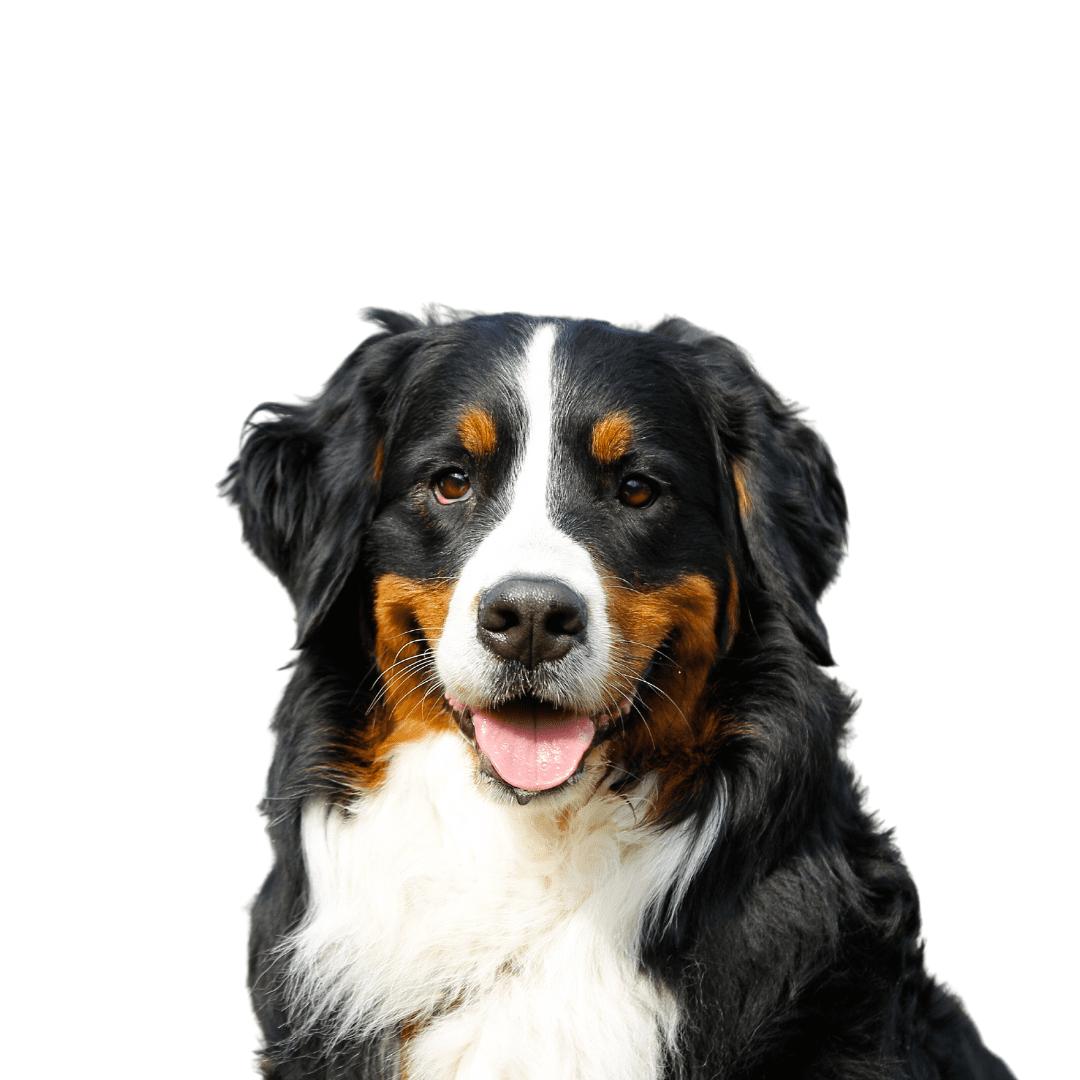

The Bernese Mountain Dog, also known as the Berner Sennenhund, is a large breed of dog that originated in Switzerland. They were historically used as working dogs for tasks such as herding, guarding, and pulling carts.
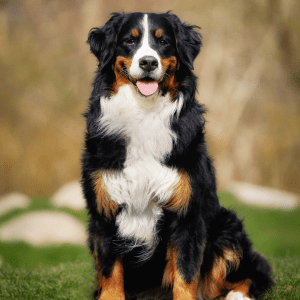
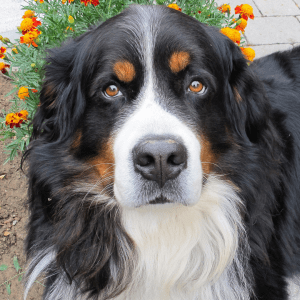
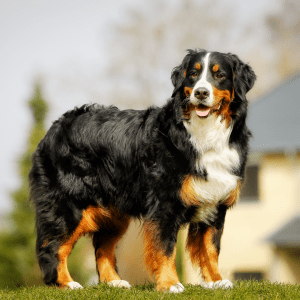
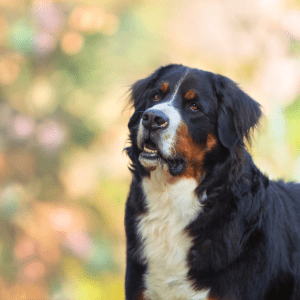
Appearance-wise, Bernese Mountain Dogs have a distinctive tri-colored coat of black, white, and rust-colored markings. They have a sturdy build and a friendly, gentle expression. On average, they can weigh anywhere from 70-115 pounds and stand 23-28 inches tall at the shoulder.
In terms of temperament, Bernese Mountain Dogs are known for their loyal, affectionate nature and are often great family pets. They can be playful and energetic, but also calm and gentle when needed. However, they can also be quite stubborn and may require firm training and socialization.
It’s worth noting that Bernese Mountain Dogs can be prone to certain health issues, such as hip dysplasia and cancer, so it’s important to ensure they receive regular veterinary check-ups and proper care throughout their lifespan.
Here are some additional information on Bernese Mountain Dogs:
History
Bernese Mountain Dogs are believed to have originated in the Swiss Alps, where they were developed as a versatile working breed for farmers and dairymen. They were used for guarding livestock, pulling carts, and as general farm dogs. The breed almost became extinct in the 19th century due to changing agricultural practices, but dedicated breed enthusiasts helped revive the breed in the 20th century.
Exercise and Training
Bernese Mountain Dogs are active dogs that require regular exercise and mental stimulation to stay healthy and happy. They enjoy walks, hikes, and outdoor activities, but are also content to lounge around the house with their family. Training is important for this breed, as they can be strong-willed and independent. Positive reinforcement techniques and early socialization are recommended.
Grooming
The Bernese Mountain Dog’s long, thick coat requires regular grooming to prevent matting and keep it healthy. They shed moderately year-round, with heavier shedding during seasonal changes. Regular brushing, bathing, and nail trimming are important for maintaining their coat and overall hygiene.
Health
As with many large breeds, Bernese Mountain Dogs are prone to certain health issues such as hip and elbow dysplasia, bloat, cancer, and eye problems. Responsible breeders will screen their breeding dogs for these and other genetic health issues. Regular veterinary care and a healthy diet and exercise routine can help prevent and manage health problems.
Temperament
Bernese Mountain Dogs are generally friendly, affectionate, and loyal dogs that make great family pets. They are known for their patient and gentle nature, and are often good with children and other pets. However, they can also be reserved with strangers and may exhibit protective instincts towards their family. Early socialization and positive training can help ensure a well-behaved and well-adjusted dog.
Breed Confusion
Bernese Mountain Dog vs. Greater Swiss Mountain Dog
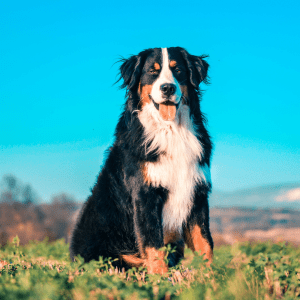
The Greater Swiss Mountain Dog is a breed often confused with the Bernese Mountain Dog. Both breeds share some similarities in appearance, which can lead to confusion. They are both large, sturdy, and have tri-color coats with black, white, and rust markings. However, there are some key differences between the two breeds.
Here’s a detailed comparison and contrast between the Greater Swiss Mountain Dog and the Bernese Mountain Dog:
Comparison
Origin:
- Greater Swiss Mountain Dog: Originates from Switzerland and is one of the country’s oldest breeds.
- Bernese Mountain Dog: Also originates from Switzerland, specifically from the Bernese Oberland region.
Size:
- Greater Swiss Mountain Dog: Generally larger and heavier, with males weighing 115-140 pounds and females weighing 85-110 pounds.
- Bernese Mountain Dog: Smaller than Greater Swiss Mountain Dogs, with males weighing 80-115 pounds and females weighing 70-95 pounds.
Coat:
- Greater Swiss Mountain Dog: Short, dense, and smooth coat.
- Bernese Mountain Dog: Longer, silky coat with a thick undercoat.
Coat Color:
- Greater Swiss Mountain Dog: Tri-color with black, white, and rust/tan markings.
- Bernese Mountain Dog: Also tri-color with black, white, and rust/tan markings, often with a distinct white blaze on the face.
Temperament:
- Greater Swiss Mountain Dog: Known for their gentle, friendly, and calm temperament. They are typically good with families and children.
- Bernese Mountain Dog: Also has a gentle and affectionate temperament. They are often described as good-natured and easygoing.
Exercise Needs:
- Greater Swiss Mountain Dog: Requires regular exercise and enjoys activities like hiking and outdoor play.
- Bernese Mountain Dog: Also needs regular exercise but may have slightly lower energy levels compared to Greater Swiss Mountain Dogs.
Lifespan:
- Greater Swiss Mountain Dog: Typically has a lifespan of 8-11 years.
- Bernese Mountain Dog: Typically has a lifespan of 7-10 years.
Health:
- Greater Swiss Mountain Dog: Prone to certain health issues such as hip dysplasia, bloat, and some genetic disorders.
- Bernese Mountain Dog: Also prone to health issues like hip dysplasia, cancer, and heart problems.
Contrast
Size:
- Greater Swiss Mountain Dogs are larger and heavier than Bernese Mountain Dogs.
Coat Texture:
- Greater Swiss Mountain Dogs have a shorter, smoother coat, while Bernese Mountain Dogs have a longer, silkier coat.
Head Shape:
- The head shape differs, with Bernese Mountain Dogs having a more rounded head and a distinct white blaze on their face, while Greater Swiss Mountain Dogs have a broader, flatter skull.
Tail:
- Greater Swiss Mountain Dogs typically have a straight tail, while Bernese Mountain Dogs have a bushy, plume-like tail.
History:
- Both breeds have Swiss origins but come from different regions within Switzerland, contributing to their distinct histories.
Lifespan:
- The average lifespan for Greater Swiss Mountain Dogs is slightly longer than that of Bernese Mountain Dogs.
Temperament
- While both breeds are known for their friendly and gentle nature, individual temperament can vary, so it’s essential to consider the specific dog’s personality.
In summary, both the Greater Swiss Mountain Dog and the Bernese Mountain Dog are wonderful, gentle giants with some similarities in appearance but distinct differences in size, coat, and history. Potential owners should consider these factors and the specific needs of each breed when making a choice. Additionally, responsible breeding and regular veterinary care are essential to maintaining the health and well-being of these breeds.
FUN FACTS
Here are some fun or little-known facts about Bernese Mountain Dogs:
- Bernese Mountain Dogs were originally bred as general-purpose farm dogs, but they were also used as draft dogs to pull carts of milk and cheese to market.
- The Bernese Mountain Dog is one of four breeds of Sennenhund-type dogs from Switzerland, the others being the Appenzeller, Entlebucher, and Greater Swiss Mountain Dogs.
- In Switzerland, Bernese Mountain Dogs are called “Berner Sennenhund” which translates to “Bernese Alpine Herdsman’s Dog”.
- In 2012, a Bernese Mountain Dog named “Shadow” became the first dog to climb to the top of Mount Kilimanjaro, the highest peak in Africa.
- Bernese Mountain Dogs have a natural inclination towards water and swimming, which can be surprising for a breed that is often associated with snow and cold weather.
- Despite their size, Bernese Mountain Dogs are sometimes referred to as “gentle giants” due to their friendly and patient nature.
- The Bernese Mountain Dog is the 27th most popular breed in the United States, according to the American Kennel Club’s 2021 ranking.
READY TO ADD A BERNESE MOUNTAIN DOG TO YOUR HOME OR FAMILY?
The Bernese Mountain Dog makes an excellent family pet with its gentle, affectionate nature and strong desire to be close to its human companions. This breed is known for its loyalty and willingness to please, making it a loving and devoted addition to any household.
Before getting a Bernese Mountain Dog, however, several important factors should be carefully considered:
Size and Space: Bernese Mountain Dogs are large and need ample space to move around comfortably. Ensure you have a spacious living environment, ideally with access to a fenced yard.
Exercise Needs: These dogs require regular exercise and mental stimulation. Be prepared for daily walks, playtime, and outdoor activities to keep them happy and healthy.
Grooming: Bernese Mountain Dogs have a long, thick coat that requires regular brushing to prevent matting and shedding. Consider the time and effort needed for grooming.
Health Care: Be aware of potential health issues that are common in the breed, including hip and elbow dysplasia and certain cancers. Budget for regular veterinary check-ups and potential medical expenses.
Socialization and Training: Early socialization and obedience training are crucial for a well-behaved Bernese Mountain Dog. Consider enrolling in puppy classes and dedicating time to training.
Family Dynamics: Bernese Mountain Dogs are generally good with families, but their large size can be overwhelming for small children. Ensure that all family members are comfortable with and capable of handling a large breed.
Time Commitment: These dogs thrive on human companionship and can suffer from separation anxiety if left alone for extended periods. Make sure your lifestyle allows for plenty of quality time with your pet.
Budget: Owning a Bernese Mountain Dog can be costly due to their size, grooming needs, and potential health issues. Budget for food, grooming supplies, vet bills, and emergency expenses.
Lifespan: Understand that Bernese Mountain Dogs have a relatively short lifespan of around 7-10 years. Be prepared for the emotional aspect of caring for a dog with a shorter life expectancy.
Breeder Reputation: If getting a puppy, choose a reputable breeder who conducts health screenings, provides a clean and caring environment, and can offer references.
Adoption: Consider adopting a Bernese Mountain Dog from a rescue organization or shelter. There are often adult dogs in need of loving homes.
Commitment: Dogs, especially large breeds like Bernese Mountain Dogs, are a long-term commitment. Ensure you are ready for a 10+ year commitment to care for and love your pet.
Taking these factors into account will help you make an informed decision and provide the best possible home for a Bernese Mountain Dog.
Grab your FREE New Puppy Success Guide to help select, prepare for, and train your new puppy!! 

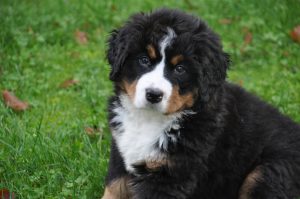
If you are interested in finding a Bernese Mountain Dog, here in the USA, there are a few options available to you:
- Reputable Breeders: One of the most common ways to acquire a Bernese Mountain Dog is through a reputable breeder. Look for breeders who are members of breed clubs and organizations such as the Bernese Mountain Dog Club of America (BMDCA). You can find breeder directories on their websites. Ensure that the breeder conducts health testing on their breeding dogs and provides a clean and caring environment for their puppies.
- Rescue Organizations: Consider adopting a Bernese Mountain Dog from a rescue organization or shelter. There are breed-specific rescues dedicated to Bernese Mountain Dogs in the USA. These dogs are often in need of loving homes, and adoption can be a rewarding experience.
- Pet Stores: Be cautious when purchasing from pet stores, as reputable breeders typically do not sell puppies through these outlets. Many pet store puppies come from commercial breeding facilities, which may not prioritize the health and well-being of the dogs.
- Online Platforms: You can find Bernese Mountain Dog puppies advertised for sale on various online platforms. However, exercise caution and thoroughly research any seller you find online. Ensure that they are reputable breeders who prioritize the welfare of their dogs.
- Local Dog Shows and Events: Attend local dog shows and events where you can meet breeders and owners of Bernese Mountain Dogs. This can be an excellent opportunity to network and find reputable breeders in your area.
- Breed-specific Websites: Look for websites and forums dedicated to Bernese Mountain Dogs. These communities often have classified sections where reputable breeders advertise their litters.
DON’T FORGET TO CHECK OUT OUR BERNESE MOUNTAIN DOG 101 VIDEO ON YOUTUBE!!

Bernese Mountain Dog puppy
The price of a Bernese Mountain Dog puppy in the United States could range anywhere from $800 to $2,500 or more, depending on various factors such as the breeder’s reputation, location, pedigree, bloodline, health screenings, and whether the puppy is intended for pet quality or show quality.
It’s important to note that prices for purebred puppies can vary significantly based on these factors and may have changed since then due to market demands, location-specific costs, and other influencing factors. Additionally, reputable breeders often charge higher prices because they prioritize health testing, proper breeding practices, and provide necessary care for both the puppies and their parent dogs.
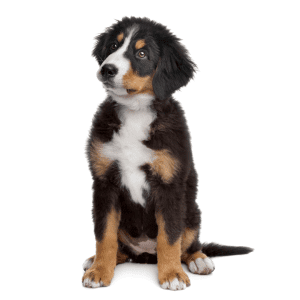
Remember that each puppy is unique, so you may need to adjust your choices based on your puppy’s specific preferences and needs. Regular veterinary care and consultations with a veterinarian will also help you make informed decisions about your Bernese Mountain Dog’s care and product needs.
Keep in mind that the purchase of any dog is a big decision and responsibility, and it is important to choose a breed that fits your lifestyle and preferences.
SUMMARY
Bernese Mountain Dog Height: 23-26 inches for females, 25-27.5 inches for males
Bernese Mountain Dog Weight: 70-95 lbs for females, 80-115 lbs for males
Bernese Mountain Dog Colors: Tri-colored (Black, White, Tan)
Bernese Mountain Dog Temperament: Gentle, Affectionate, Loyal, Calm, Friendly
Bernese Mountain Dog Life Expectancy: 7-10 years.
Overall, the Bernese Mountain Dog is a loving and devoted companion, known for its gentle nature and unwavering loyalty to its family.
Want some more ways to spread the Bernese Mountain Dog love?
Follow these hashtags on social media: #BerneseMountainDog #BernerLove #BernerLife #BernerPuppy #BernerGram #BernerNation #BernerOfTheDay #BernerFamily #BernerSquad #BernerWorld #BMD #BerneseMountainDogsOfInstagram #BerneseMountainDogPuppy #BernerFriends #BernerCommunity #BernerFever #BernerLifeIsTheBestLife #BernerLoveAndHappiness #BernerFamilyTime #BernerProud
Print this FREE Bernese Mountain Dog Coloring Page!
Connect with us on social media to see more about the Bernese Mountain Dog!