



The American Eskimo Dog is a breed of dog that is known for its beautiful, thick white coat and its lively and friendly personality.
History
Despite its name, the American Eskimo Dog actually originated in Germany, where it was known as the German Spitz. It was brought to the United States by German immigrants in the early 20th century, where it became a popular breed and was eventually renamed the American Eskimo Dog.
Appearance
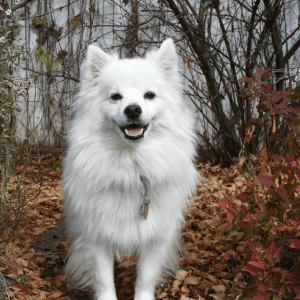
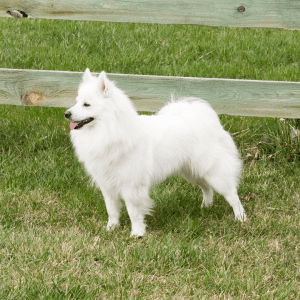
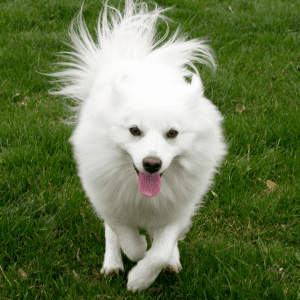
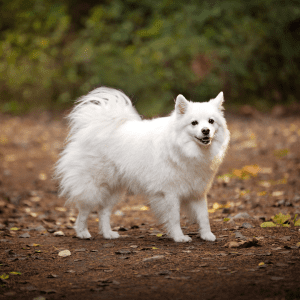
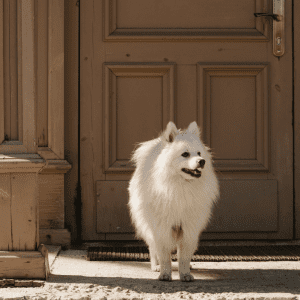
The American Eskimo Dog is a small to medium-sized dog, typically weighing between 15 and 35 pounds. It has a thick, fluffy white coat, pointed ears, and a curled tail. It is also known for its dark, expressive eyes.
Personality
American Eskimo Dogs are known for being intelligent, playful, and loyal. They are highly trainable and love to learn new tricks and skills. They are also great with children and make excellent family pets.
Exercise
American Eskimo Dogs require moderate exercise, such as daily walks and playtime in a fenced yard. They also enjoy participating in activities like obedience training, agility, and even dog sports like flyball and disc dog.
Grooming
American Eskimo Dogs require regular grooming to maintain their thick, white coat. They should be brushed at least once a week and bathed as needed. They also require regular trimming of their nails and cleaning of their ears.
Health
Like all breeds, American Eskimo Dogs can be prone to certain health issues, such as hip dysplasia, progressive retinal atrophy, and dental problems. It is important to choose a reputable breeder who tests their dogs for these conditions.
Lifespan
American Eskimo Dogs typically live for 12-15 years.
Size
The American Eskimo Dog comes in three size varieties – Toy, Miniature, and Standard. The Toy variety stands 9-12 inches tall at the shoulder and weighs up to 10 pounds, the Miniature variety stands 12-15 inches tall at the shoulder and weighs between 10-20 pounds, while the Standard variety stands 15-19 inches tall at the shoulder and weighs between 25-35 pounds.
Intelligence
American Eskimo Dogs are highly intelligent and excel at learning and performing tricks. They are quick learners and respond well to positive reinforcement training techniques.
Vocalization: American Eskimo Dogs are known for their tendency to bark and can be quite vocal. They may bark to alert their owners of potential danger or to express excitement or boredom.
Socialization
Early socialization is important for American Eskimo Dogs to ensure they become well-adjusted and well-behaved adults. It is important to expose them to a variety of people, animals, and situations to help them develop confidence and good manners.
Living Conditions
American Eskimo Dogs can adapt to various living conditions but tend to thrive in homes with fenced yards where they can run and play. They can also do well in apartments or smaller homes as long as they get enough exercise and mental stimulation.
Shedding
American Eskimo Dogs are moderate shedders and require regular grooming to keep their coat healthy and clean. They shed seasonally, and during shedding season, they may require more frequent brushing and grooming to manage loose fur.
Trainability
American Eskimo Dogs are highly trainable and respond well to positive reinforcement techniques such as treats and praise. They are also very alert and make excellent watchdogs.
The American Eskimo Dog is a friendly, intelligent, and lively breed that makes a great companion for those who are willing to put in the time and effort to meet their exercise, training, and grooming needs.
Breed Confusion
American Eskimo vs. Samoyed
The American Eskimo Dog is often confused with the Samoyed. Both breeds share similar physical appearances, including a fluffy white coat and a similar overall body structure. They also have a similar facial expression, with dark eyes and erect, triangular ears. Due to these resemblances, people sometimes mistake one breed for the other. However, there are some notable differences between the two breeds, such as size and temperament.
Let’s compare and contrast the American Eskimo Dog and the Samoyed:
Size: The Samoyed is generally larger than the American Eskimo Dog. Samoyeds typically weigh between 50 to 60 pounds for males and 35 to 50 pounds for females. In contrast, American Eskimo Dogs are smaller, with males weighing around 20 to 35 pounds and females weighing around 15 to 30 pounds.
Coat: Both breeds have a thick double coat, but there are slight differences in texture. Samoyeds have a longer, dense, and more profuse coat, while American Eskimo Dogs have a slightly shorter and denser coat. Both breeds shed moderately, with heavier shedding during seasonal changes.
Color: The American Eskimo Dog comes in three recognized color variations: white, biscuit cream, and white with biscuit cream. On the other hand, Samoyeds are primarily white, although some may have biscuit or cream-colored markings on their coat.
Temperament: Samoyeds are known for their friendly and gentle nature. They are usually outgoing, affectionate, and love being around people. American Eskimo Dogs, although also friendly, can be more reserved with strangers. They tend to be loyal and protective of their family.
Energy and Exercise: Both breeds have a good amount of energy, but Samoyeds tend to be more active. They have a high exercise requirement and enjoy activities such as running, hiking, and playing. American Eskimo Dogs also need regular exercise but are generally more adaptable to different activity levels.
Trainability: Both breeds are intelligent and eager to please their owners. However, the American Eskimo Dog may be slightly easier to train due to their high intelligence and quick learning abilities. Samoyeds can sometimes exhibit a stubborn streak, requiring consistent and patient training methods.
Health: Both breeds are generally healthy, but they are prone to certain health issues. Samoyeds can be prone to conditions like hip dysplasia, progressive retinal atrophy (PRA), and hypothyroidism. American Eskimo Dogs may be susceptible to hip dysplasia, patellar luxation, and progressive retinal atrophy (PRA) as well.
Lifespan: Samoyeds have an average lifespan of around 12 to 14 years, while American Eskimo Dogs have a slightly longer average lifespan of 13 to 15 years.
Remember that individual dogs may vary in temperament and characteristics, so it’s important to spend time with the specific dog you are considering to get a better understanding of their unique personality.
FUN FACTS
Here are some fun or little-known facts about the American Eskimo Dog:
- Despite their name, the American Eskimo Dog has no connection to Eskimo culture or sled dog teams.
- American Eskimo Dogs were often used as circus dogs in the early 20th century due to their agility and ability to learn tricks quickly.
- They have a unique trait called “splooting”, which is when they stretch out their hind legs and lie on their belly with their back legs splayed out behind them.
- The American Eskimo Dog is sometimes called the “Eskie” for short.
- They have a natural affinity for cold weather and love to play in the snow.
- In the 1950s, an American Eskimo Dog named King Kole became famous for performing tricks on The Ed Sullivan Show.
- American Eskimo Dogs are one of the few breeds that are prone to a condition called “lunar dermatitis,” which is a skin condition that is triggered by exposure to sunlight during certain phases of the moon.
If you are interested in getting an American Eskimo Dog in the USA, you can find a reputable breeder through the American Eskimo Dog Club of America or by contacting local breed-specific rescue organizations.

READY TO ADD AN AMERICAN ESKIMO DOG TO YOUR HOME OR FAMILY?
The American Eskimo Dog makes a wonderful pet for individuals or families who are looking for a loyal and loving companion. They are intelligent, trainable, and enjoy being part of family activities, but they may require regular exercise and mental stimulation to keep them happy and well-behaved.
Before getting an American Eskimo Dog, however, there are several factors to consider:
Commitment and Time: American Eskimo Dogs thrive on companionship and attention. They require a considerable amount of time and commitment from their owners. Ensure that you have enough time to dedicate to their exercise, grooming, training, and socialization needs.
Space and Exercise: American Eskimo Dogs are active and energetic. They require regular exercise and mental stimulation to prevent boredom and destructive behavior. Make sure you have enough space, such as a securely fenced yard or nearby parks, to provide them with adequate exercise opportunities.
Grooming Needs: American Eskimo Dogs have a dense double coat that requires regular brushing to prevent matting and shedding. They shed seasonally, so be prepared for increased grooming during those times. If you are not willing to invest time and effort into their grooming needs, this may not be the right breed for you.
Training and Socialization: These dogs are intelligent and trainable, but they can also be independent and stubborn at times. Consistent training and early socialization are essential to ensure they grow up to be well-mannered and well-adjusted dogs. Consider your ability to provide proper training and socialization or be prepared to enlist the help of professional trainers if needed.
Allergies: While no dog is truly hypoallergenic, American Eskimo Dogs are known for producing fewer allergens compared to some other breeds. However, it’s important to spend time with the breed and test for any allergic reactions before committing to bringing one into your home, especially if you or a family member has allergies.
Longevity: American Eskimo Dogs have a relatively long lifespan of 13 to 15 years. Consider whether you are prepared for the long-term commitment of caring for a dog and providing for their needs throughout their life.
Always research and learn more about the breed from reputable sources, talk to breeders or owners, and consider your lifestyle, living situation, and resources before bringing an American Eskimo Dog into your home.
Grab your FREE New Puppy Success Guide to help select, prepare for, and train your new puppy!! 

If you’re looking to purchase an American Eskimo puppy in the USA, there are a few options to consider:
- Reputable Breeders: Look for reputable breeders who specialize in American Eskimo Dogs. It’s important to find a responsible breeder who prioritizes the health and well-being of their dogs. You can search for breeders through the American Eskimo Dog Club of America website or contact local breed clubs for recommendations.
- Rescue Organizations: Consider adopting an American Eskimo Dog from a rescue organization or shelter. There are rescue groups specifically dedicated to the breed that work to find homes for Eskies in need. Websites like Petfinder or Adopt-a-Pet can help you locate available American Eskimo Dogs for adoption in your area.
- Dog Shows and Events: Attend local dog shows, events, or meet-ups where American Eskimo Dogs may be present. You can connect with breeders, owners, and enthusiasts who can provide information on available puppies or upcoming litters.
- Online Platforms: While caution is advised when purchasing a puppy online, there are reputable websites where breeders list their available puppies. Ensure you thoroughly research and vet the breeders to verify their legitimacy and ethical practices.
DON’T FORGET TO CHECK OUT OUR AMERICAN ESKIMO DOG 101 VIDEO ON YOUTUBE!!

American Eskimo Dog Puppy Prices
The price of an American Eskimo dog can vary significantly based on various factors such as the dog’s lineage, pedigree, breeder reputation, location, and whether it’s a standard, miniature, or toy variety. On average, American Eskimo puppies from reputable breeders can cost anywhere from $600 to $2500 or more. Show-quality or dogs from champion bloodlines can be priced higher.
However, it’s important to note that the initial cost of purchasing the dog is just one aspect of pet ownership. There are ongoing expenses like food, grooming, healthcare, training, and other miscellaneous costs that need to be considered when bringing a dog into your home. Additionally, adopting from shelters or rescue organizations can be an alternative, often offering dogs at a lower cost with the added benefit of providing a home for a pet in need.
Remember to introduce new products gradually and supervise your puppy when using them to ensure their safety. Additionally, consult with your veterinarian for personalized recommendations based on your puppy’s specific needs and health requirements.
Keep in mind that the purchase of any dog is a big decision and responsibility, and it is important to choose a breed that fits your lifestyle and preferences.
SUMMARY
American Eskimo Height: 9-19 inches
American Eskimo Weight:
Toy American Eskimo Dog: Toy Eskies typically weigh between 6 to 10 pounds.
Miniature American Eskimo Dog: Miniature Eskies generally weigh between 10 to 20 pounds.
Standard American Eskimo Dog: Standard Eskies have a weight range of 25 to 35 pounds.
American Eskimo Colors: White, Biscuit Cream. White with Biscuit Cream
American Eskimo Temperament: Lively, Alert, Intelligent, Affectionate, Independent
American Eskimo Life Expectancy: 12-15 years.
Overall, the American Eskimo Dog makes a wonderful companion with its lively and affectionate nature, providing companionship, loyalty, and a playful spirit to its owners.
Want some more ways to spread the American Eskimo love?
Follow these hashtags on social media: #AmericanEskimoDog #SnowDog #PawsomeEskie #AdorableEskie#Eskie #EskieLove #EskieNation #EskieLife #EskiePride #EskieCommunity #EskieDog #EskieObsessed #EskieLover
Print this FREE American Eskimo Coloring Page!
Connect with us on social media to see more about the American Eskimo!