

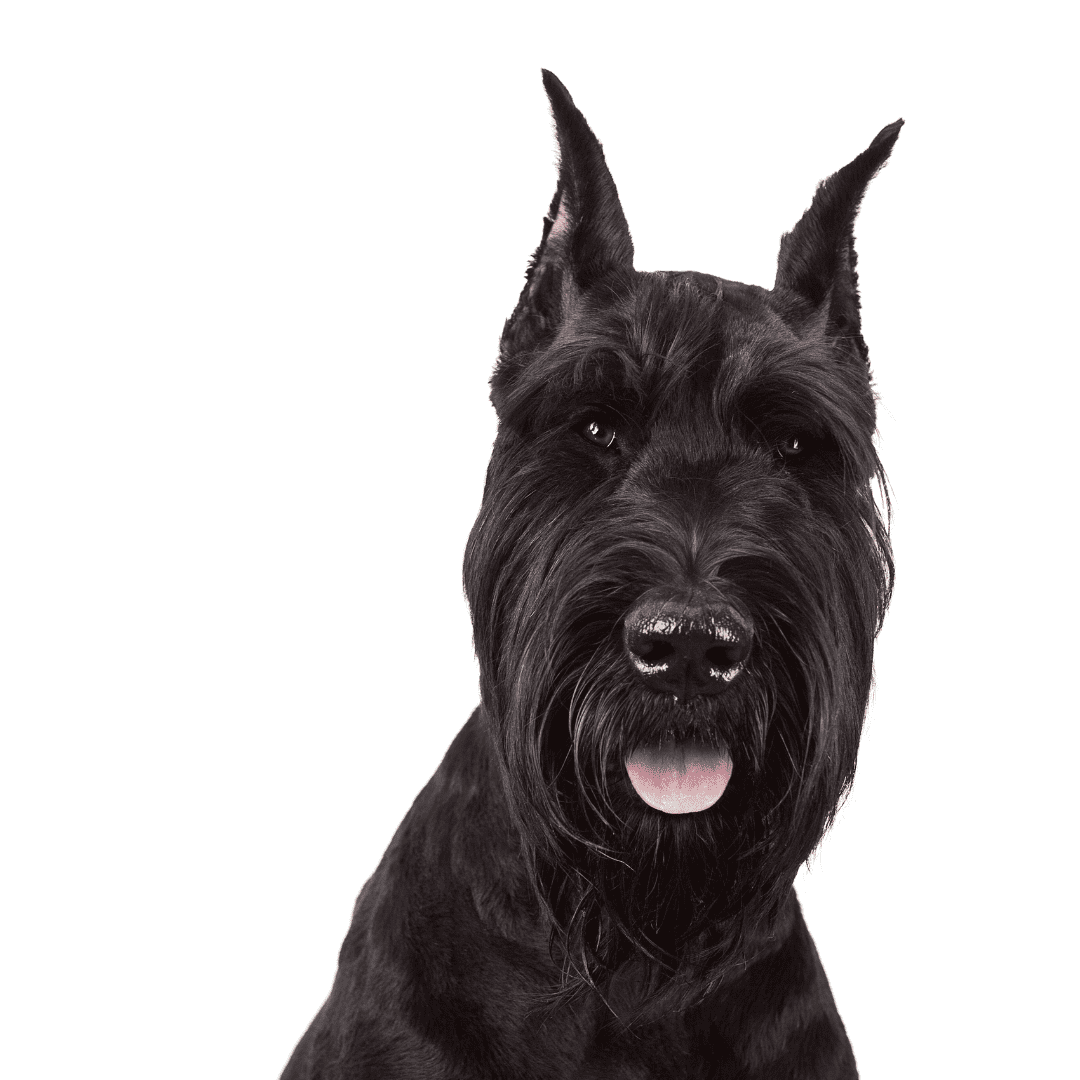

The Giant Schnauzer is a breed of dog that originated in Germany. It is the largest of the three Schnauzer breeds, with a height of around 25 to 27.5 inches at the shoulder and a weight of 65 to 95 pounds. They are known for their intelligence, loyalty, and protectiveness.
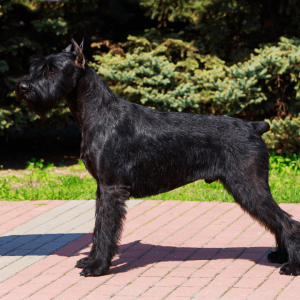
Giant Schnauzers have a distinctive appearance, with a square-shaped head, bushy eyebrows, and a thick, wiry coat that comes in black or salt-and-pepper color. They require regular grooming to maintain their coat and prevent matting.
These dogs were originally bred to work as guard dogs, and they are still used in this capacity today. They are also used in police work, search and rescue, and as service dogs for people with disabilities.
Giant Schnauzers are active and energetic dogs that require regular exercise and mental stimulation. They are intelligent and trainable, but can be strong-willed and stubborn at times. Early socialization and training are important to ensure they develop into well-behaved, well-adjusted dogs.
The Giant Schnauzer is a loyal and protective breed that makes a great companion for an experienced owner who can provide them with the exercise, training, and attention they need.
History
The Giant Schnauzer was developed in the 17th century in Germany, where it was originally used as a cattle-driving and herding dog. Later on, it was also used as a guard dog and for military work. The breed was officially recognized by the American Kennel Club (AKC) in 1930.
Temperament
Giant Schnauzers are intelligent, loyal, and protective dogs that form strong bonds with their families. They are known for their alertness and will bark to alert their owners of any potential threats. They are also active and energetic, and require regular exercise and mental stimulation to prevent boredom and destructive behavior.
Training
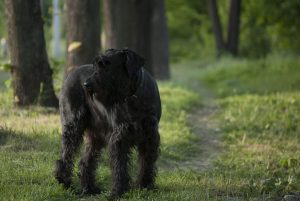
Giant Schnauzers are intelligent and trainable, but can be stubborn at times. Positive reinforcement training methods work best with this breed, and early socialization and obedience training are important to ensure they develop into well-behaved and well-adjusted dogs.
Exercise
Giant Schnauzers require daily exercise to stay healthy and happy. They enjoy activities such as walking, running, hiking, and playing fetch. They also benefit from mental stimulation, such as puzzle toys and training sessions.
Grooming
Giant Schnauzers have a thick, wiry coat that requires regular grooming to prevent matting and tangling. They also require occasional trimming and shaping to maintain their distinctive appearance.
Health
Like all breeds, Giant Schnauzers are prone to certain health issues, such as hip dysplasia, eye problems, and bloat. Regular vet checkups and a healthy diet and exercise regimen can help prevent or manage these issues.
The Giant Schnauzer is a loyal and protective breed that requires an experienced owner who can provide them with the exercise, training, and attention they need to thrive.
Breed Confusion
Giant Schnauzer vs. Bouvier des Flandres
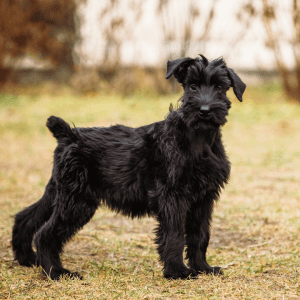
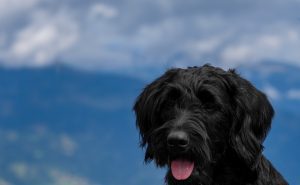
Bouvier des Flandres is a breed that is often mistaken for a Giant Schnauzer, particularly due to their similar build and thick, wiry coat. However, Bouviers are typically larger and have a more robust build compared to Giant Schnauzers.
Here’s a comparison and contrast between the Giant Schnauzer and the Bouvier des Flandres:
Physical Appearance:
- Giant Schnauzer: Giant Schnauzers are large, sturdy dogs with a square build. They have a distinctive harsh, wiry double coat that comes in solid black or salt and pepper color. They have a strong, powerful appearance, with a deep chest and a docked tail (in some countries). They have a robust and muscular build.
- Bouvier des Flandres: Bouvier des Flandres is also a large breed with a sturdy and powerful build. They have a dense, double coat that is rough and tousled, providing good protection from the elements. Bouviers come in various colors, including black, brindle, and fawn. They have a more substantial head and a more pronounced beard and eyebrows compared to Giant Schnauzers.
Temperament:
- Giant Schnauzer: Giant Schnauzers are intelligent, loyal, and protective. They are known for their alertness, courage, and strong guarding instincts. They are typically reserved with strangers but affectionate and devoted to their family. They require early socialization and consistent training to channel their protective nature effectively.
- Bouvier des Flandres: Bouvier des Flandres are intelligent, calm, and protective. They are known for their loyalty and dedication to their family. Bouviers are typically good-natured and gentle with their loved ones but can be reserved and aloof with strangers. They have strong herding instincts and can be independent thinkers, requiring consistent and firm training.
Exercise and Activity:
- Giant Schnauzer: Giant Schnauzers are an active and energetic breed that requires regular exercise and mental stimulation. They enjoy activities such as brisk walks, jogging, and engaging in dog sports or tasks that challenge their intelligence. They need a significant amount of physical and mental stimulation to prevent boredom.
- Bouvier des Flandres: Bouvier des Flandres are also an active breed that requires daily exercise and mental engagement. They enjoy long walks, hikes, and activities that stimulate their minds. They have moderate exercise needs and can adapt to different living environments but thrive in a home that provides outlets for their energy.
Trainability:
- Giant Schnauzer: Giant Schnauzers are intelligent and highly trainable. They are eager to please their owners and respond well to positive reinforcement training methods. However, they can have a stubborn streak, requiring consistent and firm handling. Early socialization and obedience training are essential to shaping their behavior.
- Bouvier des Flandres: Bouvier des Flandres are intelligent and independent thinkers. They require consistent, patient, and firm training with positive reinforcement methods. Early socialization is crucial to prevent any potential aggressive tendencies and help them become well-rounded individuals.
Both breeds share some similarities, such as their large size, protective instincts, and intelligence. However, they also have distinct differences in physical appearance, temperament, exercise needs, and trainability. It’s important to consider these factors when choosing the right breed that aligns with your lifestyle and preferences.
FUN FACTS
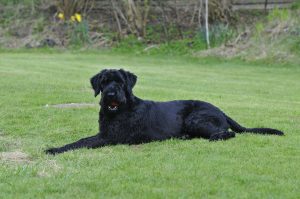
Here are some fun and little-known facts about the Giant Schnauzer:
- Versatile Working Dog: Giant Schnauzers are known for their versatility in various working roles. They were originally bred in Germany as working dogs on farms to drive cattle, guard property, and work as efficient vermin hunters. Today, they excel in various tasks such as search and rescue, police and military work, competitive obedience, agility, and even therapy work.
- “Riesenschnauzer”: The term “Riesenschnauzer” is sometimes used as another name for the Giant Schnauzer. “Riesen” means “giant” in German, reflecting the breed’s larger size compared to its smaller Schnauzer counterparts like the Standard and Miniature Schnauzers.
- Poodle Connection: The Giant Schnauzer is believed to have been developed by crossing the Standard Schnauzer with larger breeds such as the Great Dane, German Shepherd, and possibly the Standard Poodle. This mix contributed to the Giant Schnauzer’s larger size, strength, and distinctive appearance.
- Prized Guard Dogs: Giant Schnauzers have exceptional guarding instincts and are highly regarded as effective guard dogs. They are naturally protective of their families and properties and are known for their courage and alertness. Their size, strength, and assertive nature make them formidable deterrents to intruders.
- Weather-Resistant Coat: The Giant Schnauzer has a weather-resistant double coat that consists of a dense, harsh outer coat and a soft undercoat. This coat helps protect them from harsh weather conditions, including rain, snow, and cold temperatures.
- Mustachioed Breed: One of the most distinctive features of the Giant Schnauzer is its facial hair. They have a prominent beard and eyebrows that give them a dignified and sophisticated look. These facial furnishings not only add to their appearance but also serve the purpose of protecting their face and giving them a keen expression.
- Intelligent and Problem-Solving Abilities: Giant Schnauzers are highly intelligent dogs and are known for their problem-solving abilities. They are quick learners and thrive on mental stimulation. This intelligence, combined with their independent nature, requires owners to provide them with consistent training, mental challenges, and outlets for their intelligence.
These are just a few interesting facts about the Giant Schnauzer. They are a fascinating breed with a rich history and remarkable qualities that make them a beloved companion, working partner, and guardian.
READY TO ADD A GIANT SCHNAUZER TO YOUR HOME OR FAMILY?
The Giant Schnauzer makes a loyal and protective pet, forming strong bonds with their family. They are intelligent, versatile, and thrive on mental and physical stimulation, making them an excellent choice for experienced owners who can provide them with proper training, socialization, and an active lifestyle.
Before getting a Giant Schnauzer, however, several factors should be considered:
Space and Exercise Needs: Giant Schnauzers are a large and active breed that requires ample space to move and play. They thrive in homes with a securely fenced yard or access to regular outdoor exercise. Daily exercise, including long walks, runs, or engaging activities, is essential to meet their physical and mental stimulation needs.
Time and Attention: Giant Schnauzers are social dogs that crave human companionship. They thrive when they are included as part of the family and are given ample time and attention. They are not suited for long periods of isolation and can develop behavioral issues if left alone for extended periods. Consider whether you have the time and availability to provide them with the attention and companionship they need.
Training and Socialization: Giant Schnauzers are intelligent and independent thinkers. They require consistent, firm, and positive reinforcement training from an early age. Early socialization is vital to ensure they are well-adjusted and comfortable in various environments, and to minimize any potential aggressive tendencies.
Grooming and Coat Care: Giant Schnauzers have a double coat that requires regular grooming to keep it healthy and mat-free. Their wiry outer coat requires hand-stripping or periodic trimming to maintain its texture and appearance. Additionally, they may shed minimally, but regular brushing is necessary to remove loose hair and prevent tangling.
Health Considerations: Like all breeds, Giant Schnauzers are prone to certain health conditions, including hip dysplasia, bloat, eye problems, and some genetic disorders. It is important to be aware of these potential health issues and choose a reputable breeder who conducts health screenings on their breeding dogs to minimize the risk.
Strong Personality and Guarding Instincts: Giant Schnauzers have a strong protective instinct and can be wary of strangers. They require early socialization to ensure they are well-mannered and can differentiate between genuine threats and normal situations. Their assertive nature and guarding instincts make them best suited for experienced owners who can provide consistent leadership and guidance.
Longevity: Giant Schnauzers have an average lifespan of 10 to 12 years. Consider the commitment to caring for a dog throughout their lifespan, including providing regular veterinary care, proper nutrition, exercise, and mental stimulation.
It is essential to thoroughly research the breed, interact with Giant Schnauzers if possible, and consult with reputable breeders or Giant Schnauzer owners to gain a comprehensive understanding of the breed’s characteristics and whether they align with your lifestyle and capabilities as an owner.
Grab your FREE New Puppy Success Guide to help select, prepare for, and train your new puppy!! 

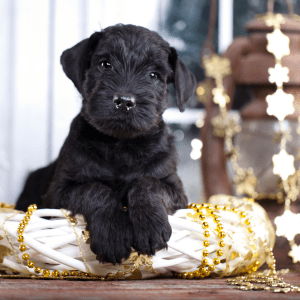
If you’re looking to purchase a Giant Schnauzer puppy in the USA, here are a few options to consider:
- Reputable Breeders: Finding a reputable breeder is essential when looking for a Giant Schnauzer puppy. Reputable breeders prioritize the health, temperament, and well-being of their dogs. They conduct health screenings, provide proper socialization, and offer ongoing support. You can search for reputable breeders through national breed clubs like the Giant Schnauzer Club of America or regional Giant Schnauzer clubs. They often maintain breeder directories or can provide recommendations.
- Rescue Organizations: Check rescue organizations or shelters that specialize in Giant Schnauzers or other working breeds. Sometimes, they may have Giant Schnauzers or Giant Schnauzer mixes available for adoption. These organizations provide an opportunity to give a loving home to a dog in need. Websites like Petfinder can help you search for adoptable dogs in your area.
- Online Platforms: Some online platforms connect prospective buyers with Giant Schnauzer breeders. However, exercise caution and thoroughly research any breeder you encounter online. Ensure they have a good reputation, positive reviews, and prioritize the health and well-being of their dogs. Ask for references, visit the breeder in person if possible, and ask about health testing and socialization practices.
DON’T FORGET TO CHECK OUT OUR GIANT SCHNAUZER 101 VIDEO ON YOUTUBE!!

Giant Schnauzer Puppy Prices
The price of a Giant Schnauzer puppy can vary widely based on several factors, including the pedigree of the parents, the reputation of the breeder, location, and the puppy’s lineage. On average, a Giant Schnauzer puppy from a reputable breeder can cost anywhere between $1,500 to $3,000 or even more.
Remember to consult with your veterinarian and experienced Giant Schnauzer owners for specific recommendations tailored to your puppy’s needs. Each puppy is unique, and their requirements may vary.
Keep in mind that the purchase of any dog is a big decision and responsibility, and it is important to choose a breed that fits your lifestyle and preferences.
SUMMARY
Giant Schnauzer Height: 22-27 inches
Giant Schnauzer Weight: 55-85 lbs.
Giant Schnauzer Colors: Black, Salt and Pepper
Giant Schnauzer Temperament: Alert, Loyal, Confident, Intelligent, Protective
Giant Schnauzer Life Expectancy: 10-12 years.
Overall, the Giant Schnauzer is a devoted and loyal companion, always ready to protect and be by their owner’s side, forming a strong bond and bringing joy to the family.
Want some more ways to spread the Giant Schnauzer love?
Follow these hashtags on social media: #giantschnauzer #giantschnauzersofinstagram #giantschnauzerlove #giantschnauzerpuppy #giantschnauzerlife #giantschnauzerworld #giantschnauzersofig #giantschnauzeroftheday #giantschnauzerlovers #giantschnauzercorner #giantschnauzercommunity #giantschnauzeraddict #giantschnauzerclub
Print these FREE Giant Schnauzer Coloring Pages!
Connect with us on social media to see more about the Giant Schnauzer!